Vamos Acabar Com Isso (Ao Vivo) Lyrics in English by Alexandre Pires
Soluçava is the imperfect past tense of the verb soluçar, meaning 'to sob' or 'to hiccup'. It's a poignant word that conveys deep emotional distress.
In the context of the song, it highlights a moment of profound sadness and disconnect in a relationship: "Enquanto um de nós soluçava, o outro fingia dormir" (While one of us was sobbing, the other pretended to sleep). This word captures the raw emotion and the painful reality of a love in crisis, making it particularly impactful and memorable.
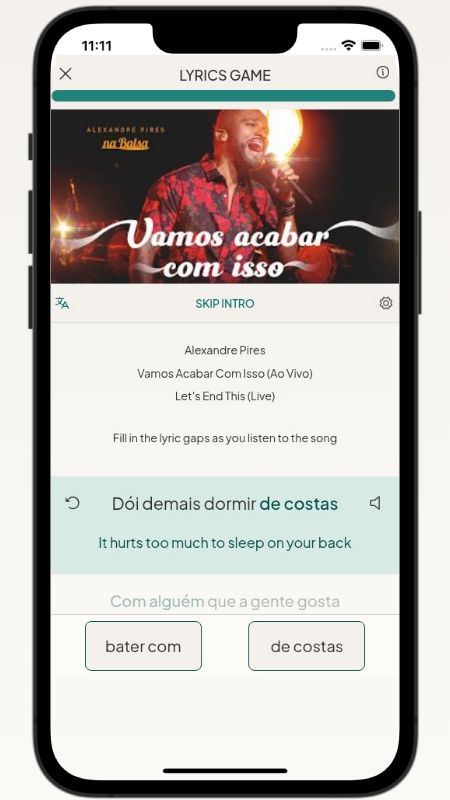
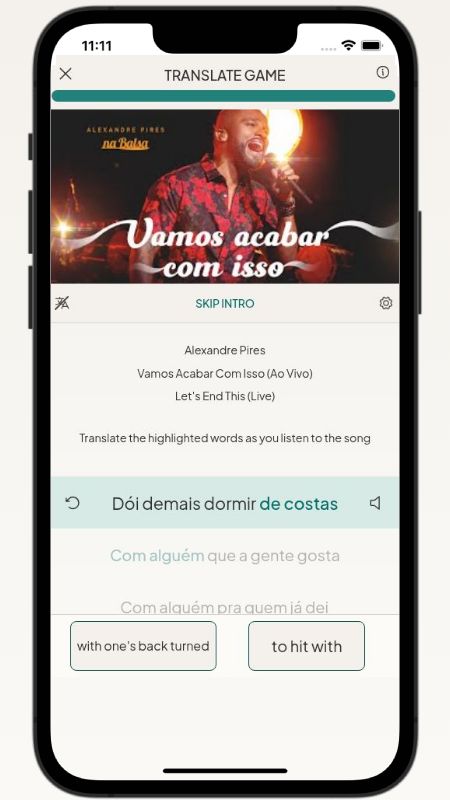
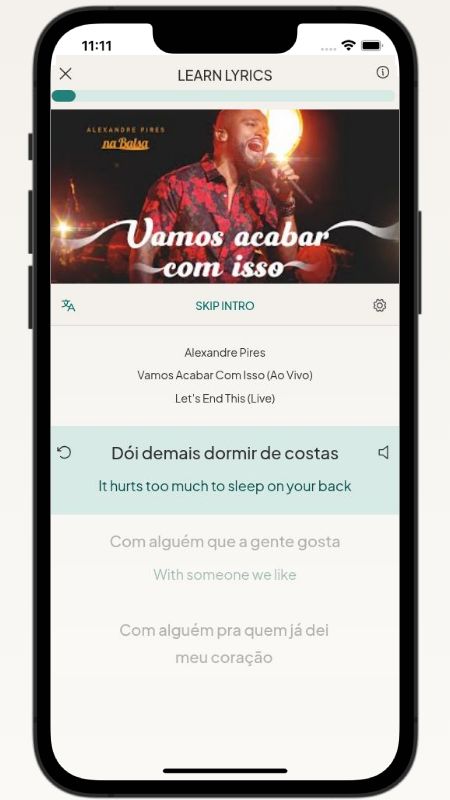
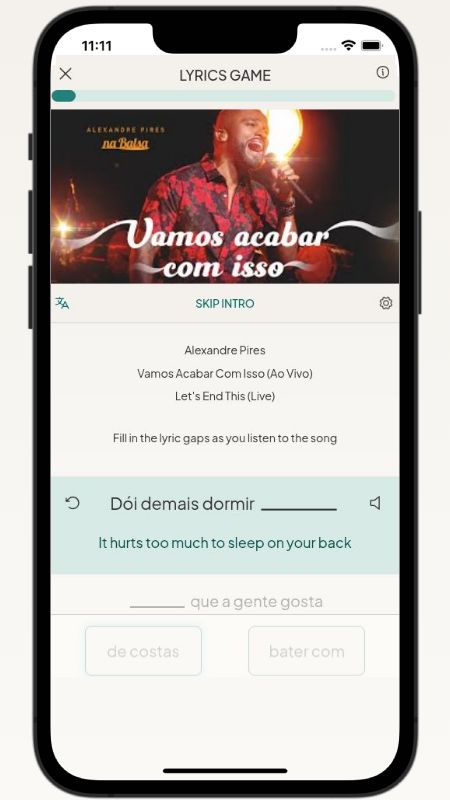
This song is all about that awful moment in a relationship when you're lying in bed next to the person you love, but you feel miles apart. Alexandre Pires sings about how it "Dói demais dormir de costas / Com alguém que a gente gosta" [It hurts too much to sleep with your back to someone you like]. He describes a terrible night where "Enquanto um de nós soluçava / O outro fingia dormir" [While one of us was sobbing / the other pretended to sleep]. That specific image is just heartbreaking, isn't it? The silence is worse than a real fight.
But this isn't a breakup song! It's a plea to fix things. He's had enough of the cold war and says, "Vamos acabar com isso" [Let's end this]. His solution is simple and sweet: he admits he doesn't have "nervo de aço" [nerves of steel] and just asks for a hug to break the stalemate. He reminds his partner of their deep connection, calling her "a dona do meu ser" [the owner of my being], and how beautiful it is to see her smile after they've been close. It's a song about pushing through a tough spot because the love underneath is too strong to lose.