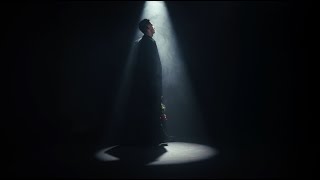
AMOR Lyrics in English by Achille Lauro
Serenata translates to "serenade," a classic romantic gesture of singing to someone, often under their window at night.
In the song, Achille Lauro sings about not giving up on taking his love to Trastevere at dawn to "fa' na serenata" (give a serenade). This word evokes a timeless, passionate image of Italian romance, making it both unique and culturally rich within the lyrics.
Achille Lauro writes this like a note left on a table. The first lines are addressed to someone who might wake up alone: "E se non tornerò domani, è lo stesso" (And if I don't come back tomorrow, it makes no difference), then "Vai avanti, smettila, non piangere" (Keep going, stop it, don't cry). He is not apologising. "Tutto quello che ho fatto, l'ho scelto" (Everything I did, I chose it) is the closest the song comes to a defence, and it refuses to be one.
What holds it together is Rome. The chorus turns the city into the person he is saying goodbye to: "Abbracciami Roma, prima di addormentarci stasera" (Hold me, Rome, before we fall asleep tonight). The promises he will not give up are streets: Trastevere at dawn, a serenade sung under a window. And the question he keeps returning to, "Dimmi, cosa resterà se mando tutto in fumo adesso?" (Tell me, what will be left if I burn it all down now?), gets its one answer in the bridge: "Quando non avrò più un posto per addormentarmi al sicuro" (When I no longer have a place to fall asleep safely).