SOLO Lyrics in English by Eslabon Armado, ERRE
Esclavo literally means "slave". It's a powerful and intense word you don't often encounter in songs, used here to express complete emotional surrender.
In this ballad, the singer says, "Soy esclavo a tu mirar" (I'm a slave to your gaze). He uses this strong metaphor to describe being so captivated by someone's look that he feels powerless, perfectly capturing a feeling of hopeless devotion.
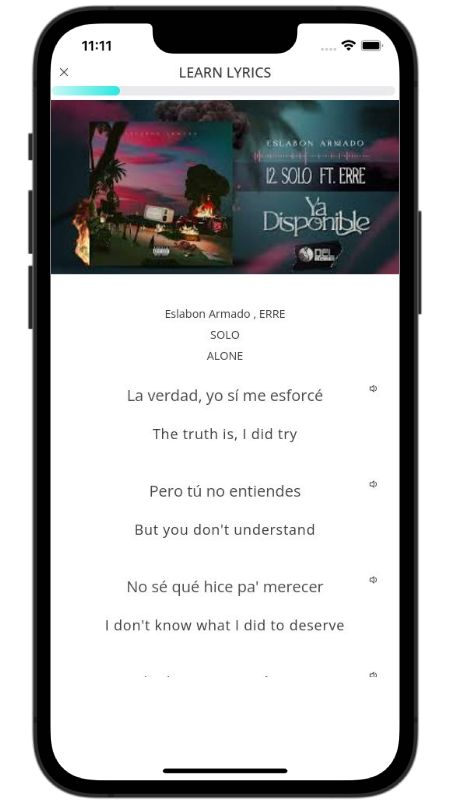
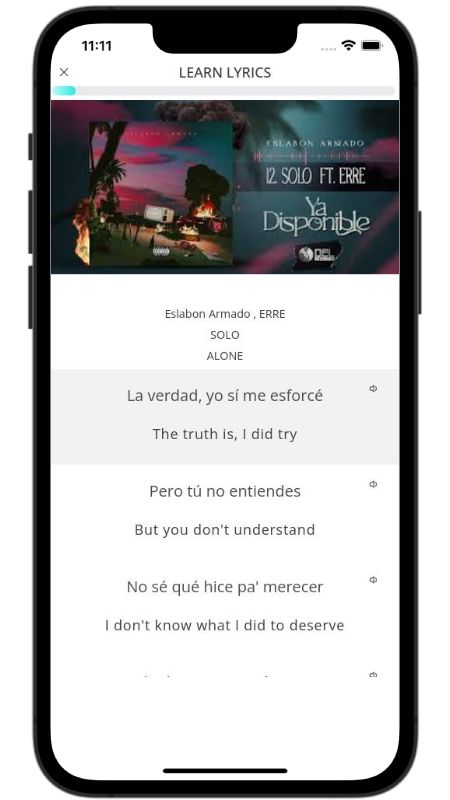
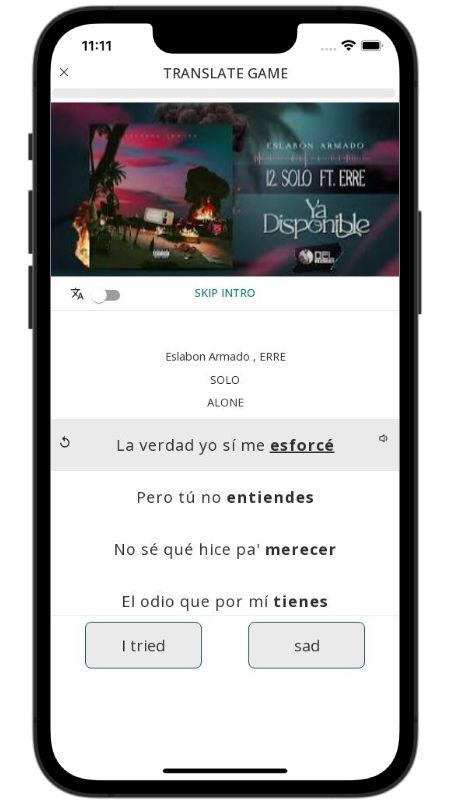
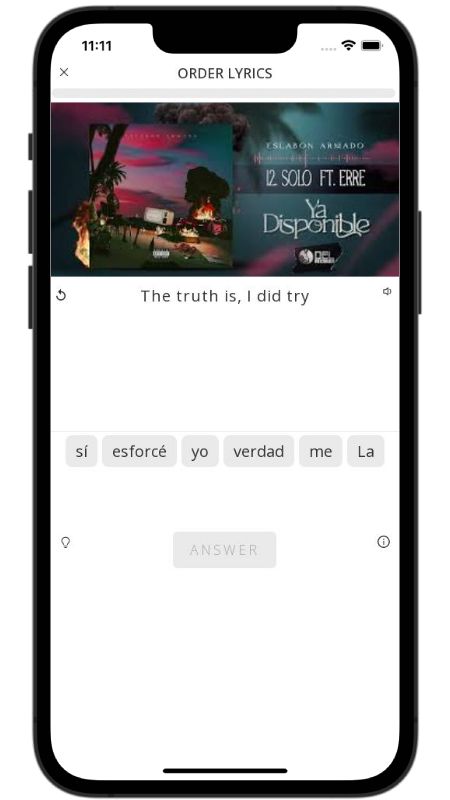
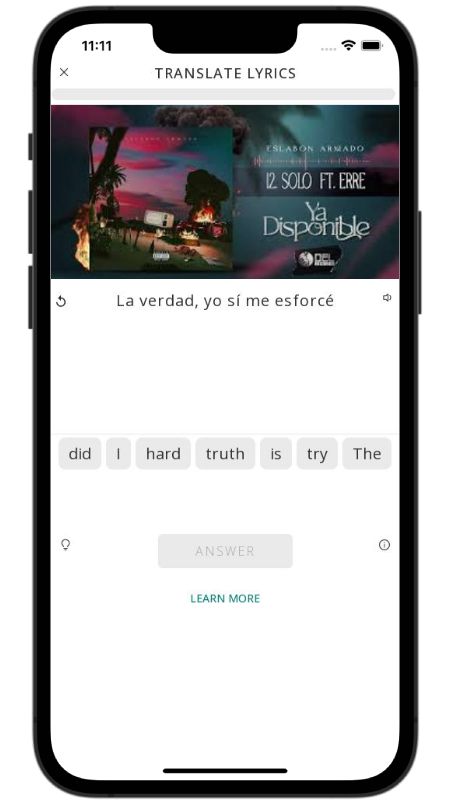
If you have ever been ghosted after giving a relationship everything, "SOLO" by Eslabon Armado featuring ERRE hits right in that exact wound. The track is pure Regional Mexican heartbreak. The singer lays out his confusion right away with "La verdad, yo sí me esforcé / Pero tú no entiendes" ("The truth is, I really tried / But you don't understand"). Instead of a mutual, clean breakup, he is left with months of radio silence ("No me has hablado en varios meses" ["You haven't spoken to me in several months"]) while watching his ex move on with someone else. To cope, he admits "Mi solución ha sido tomar" ("My solution has been drinking"), which is blunt and messy, but totally honest about how he is handling the rejection.
What makes the lyrics stick is how desperate and dramatic the plea gets. He describes himself as trapped by her memory: "Soy esclavo a tu mirar" ("I am a slave to your gaze"). Even though she is with someone new, he begs her to tell this new partner the truth with "Díselo / Que en tu corazón sigo vivo" ("Tell him / That in your heart I'm still alive"), swearing to the heavens ("Yo tengo a Dios como testigo" ["I have God as my witness"]) that he never betrayed her. It is an intense, stubborn look at unrequited longing where one person just refuses to let go.