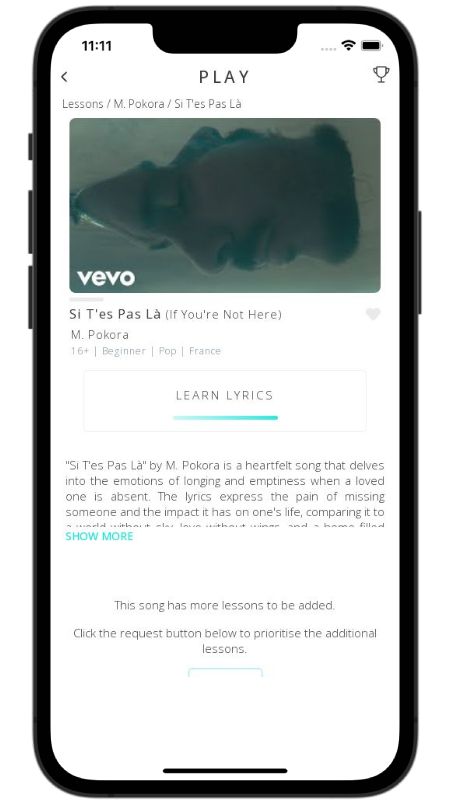
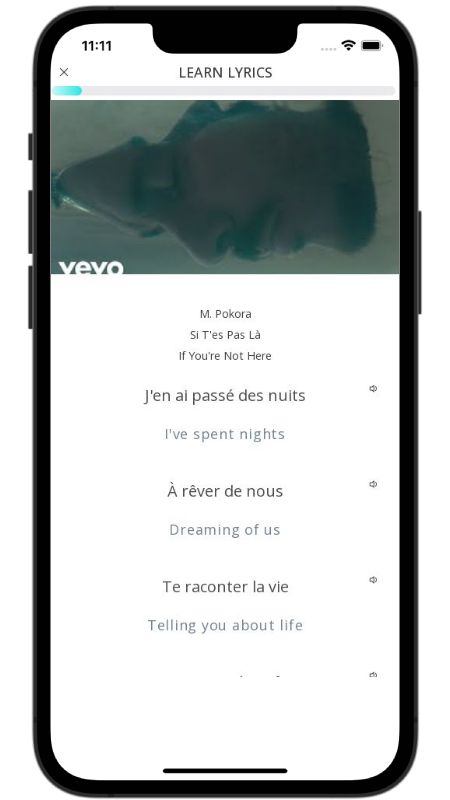
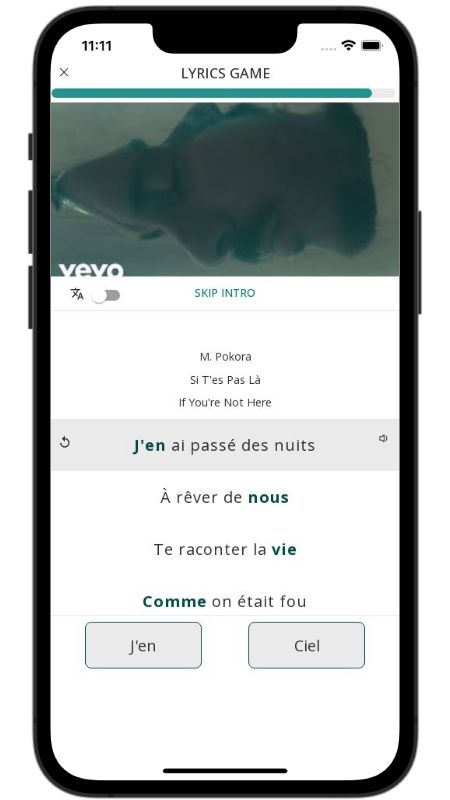
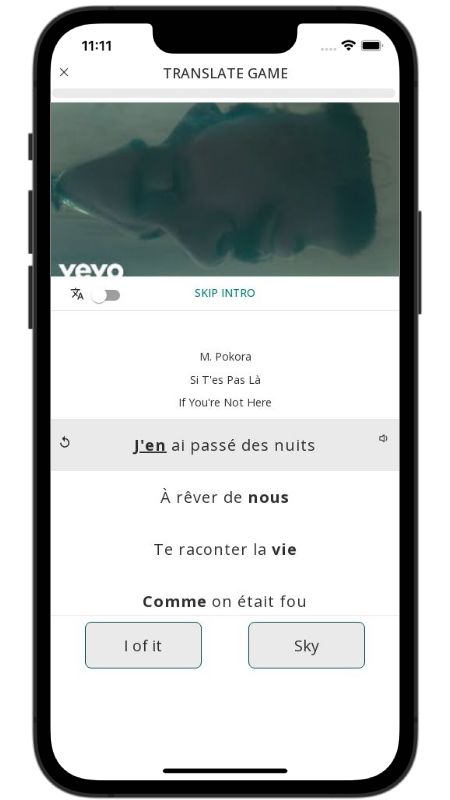
Si T'es Pas Là Lyrics in English by M. Pokora
Valser literally means "to waltz", the elegant ballroom dance. It's a word that evokes images of grace, romance, and spinning motion.
In the song, M. Pokora sings, "À toi, qui fait valser mon coeur" (To you, who makes my heart waltz). He uses this beautiful verb metaphorically to describe the powerful, dizzying effect someone has on him, as if his heart is being swept away in a dance. It’s a much more poetic and memorable image than just saying his heart is beating fast.
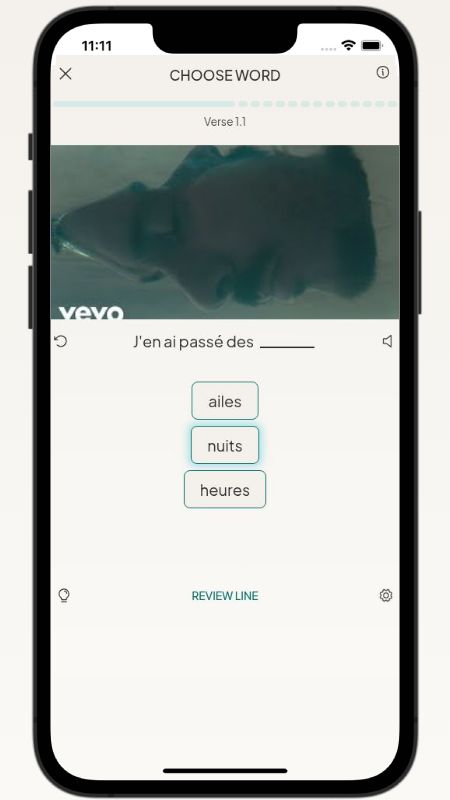
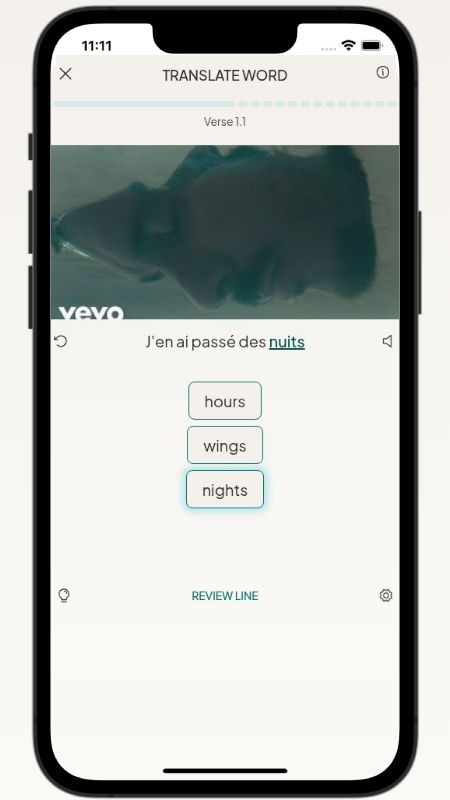
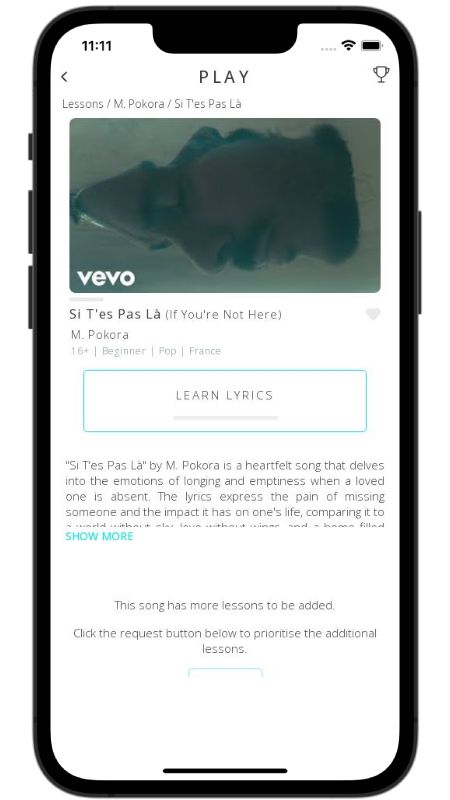
French pop artist M. Pokora strips away all the slick dance beats for something much more intimate in "Si T'es Pas Là" (If You're Not Here). The track is an open letter to an arrival that completely rearranges your world. Before this person existed, he admits he spent nights imagining what was to come, singing words that felt empty: "J'en ai chanté des mots / Mais jamais pour toi / Ça sonnait faux ouai" ("I sang words, but never for you; it sounded fake, yeah"). When you look at the lines "Me réveiller / En sachant pourquoi / Voir que tout a changé / Petit dans mes bras" ("Waking up, knowing why; seeing that everything has changed, a little one in my arms"), you realize he is talking about holding his child for the first time. It is a sudden shock of fierce love that leaves him vulnerable: "Trembler comme une feuille / Et vivre sur un fil" ("Trembling like a leaf, and living on a wire").
The chorus hits you with a barrage of stark opposites to explain how hollow existence would feel without them. He compares life in their absence to "un monde sans ciel" ("a world without a sky") and "l'amour sans ailes" ("love without wings"). Notice the title phrase: "Si t'es pas là" is the casual, spoken French contraction of si tu n'es pas là (dropping the ne is how everyday folks actually talk). He also addresses someone who cannot reply yet: "À toi, qui ne m'entend pas / À toi, qui n'est toujours pas là" ("To you, who doesn't hear me; to you, who is still not here yet"). That anticipation turns into an absolute promise: "Pour toi, je n'aurai plus jamais peur" ("For you, I will never be afraid again"). It is sweet, direct, and completely honest about how scary and wonderful it is to live for someone else.