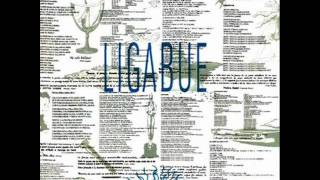
Walter Il Mago Lyrics in English by Ligabue
Zingaro translates to "gypsy". It's an interesting word because it refers to a nomadic person, often associated with magic, music, and a free-spirited lifestyle.
In the song, Walter the magician is called a zingaro, but specifically a "zingaro di lusso" (luxury gypsy). This suggests he embodies the mystique and charm of a gypsy, but with a touch of sophistication and perhaps a more comfortable existence than the traditional image. It adds a layer of intrigue to his character.
"Walter Il Mago" is a character sketch, not a love song. Walter is an aging circus magician who does the same trick every night: "Ed il suo abra-cadabra, cadabra, abra" [and his abracadabra, cadabra, abra], pulling a woman out of thin air, or, for an easier crowd, "Faremo apparire una birra noi, se vuoi" [we'll make a beer appear instead, if you want]. He calls himself "Ma è uno zingaro di lusso e lo sa" [a gypsy of luxury, and he knows it].
Underneath the tricks, the song is really about time passing while nothing changes. "Quanti bambini ha stupito e ora i bambini sono più vecchi di lui" [How many kids has he amazed, and now those kids are older than him], and still he shows up with the same hat and the same rabbit. Ligabue isn't mocking him for it. The closing line, "Qualche mondo non cambia mai" [some world never changes], reads almost like respect: some people just keep doing their one trick, long after anyone asked them to.