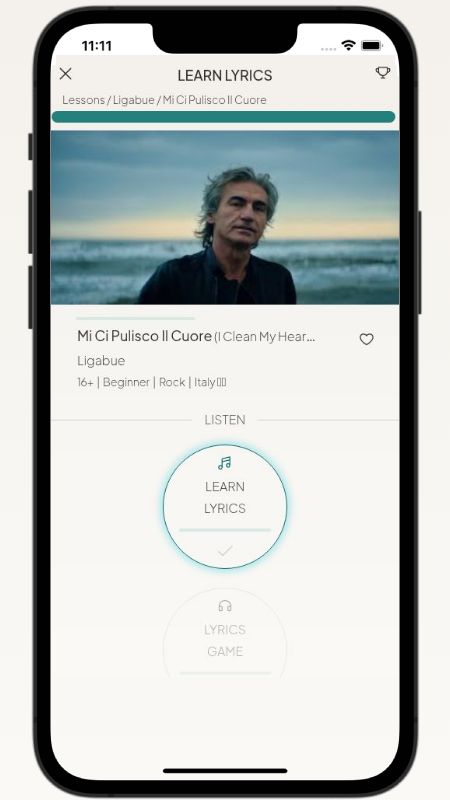
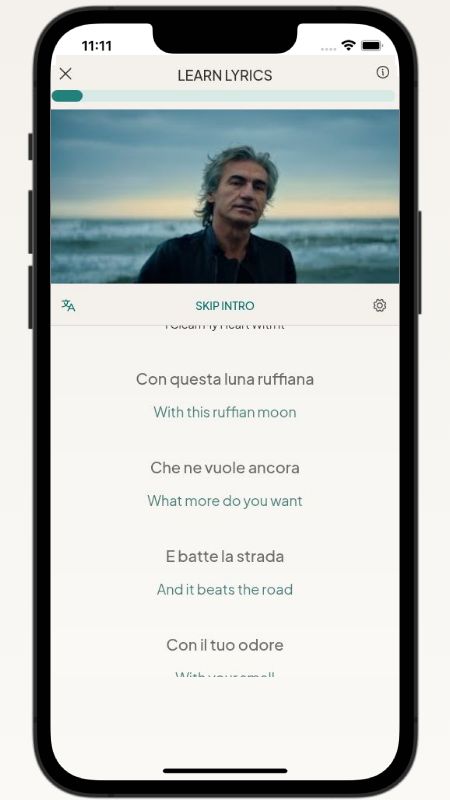
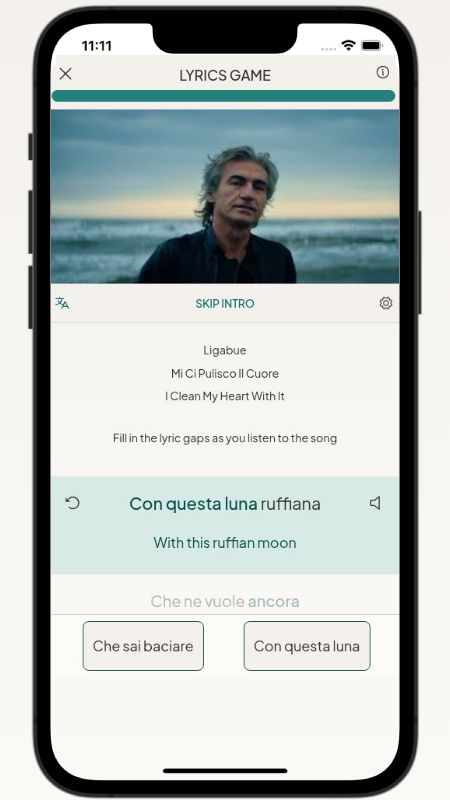
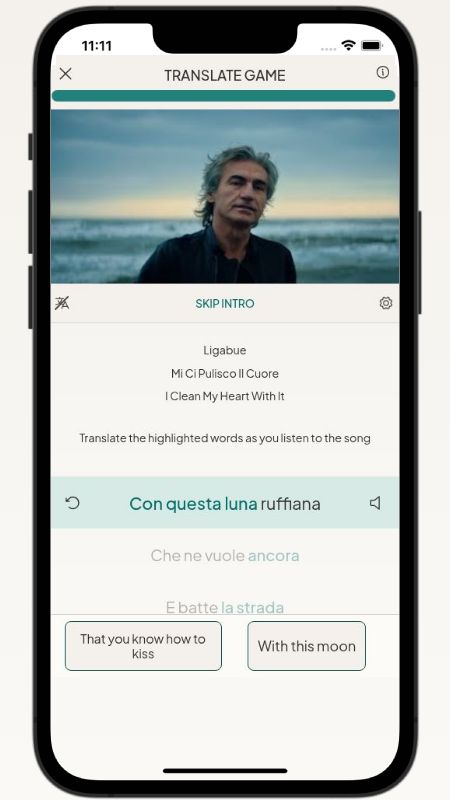
Mi Ci Pulisco Il Cuore Lyrics in English by Ligabue
Ruffiana is a fascinating and somewhat rare word in Italian, literally meaning 'pimp-like' or 'procuress'. It's not a word you hear every day, especially in a romantic context.
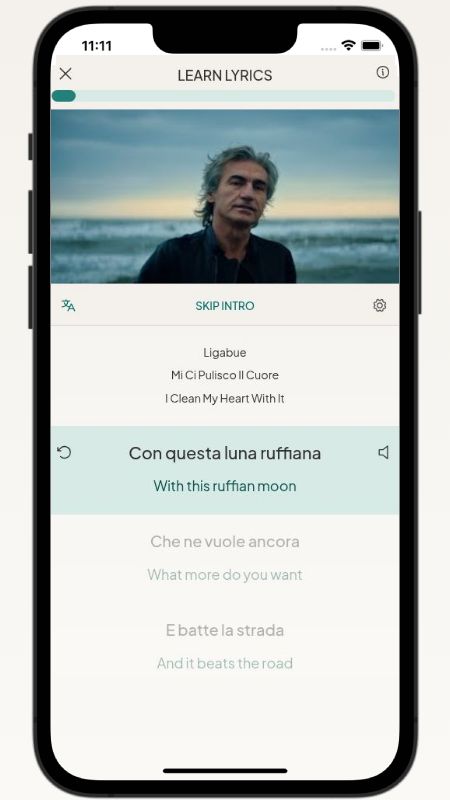
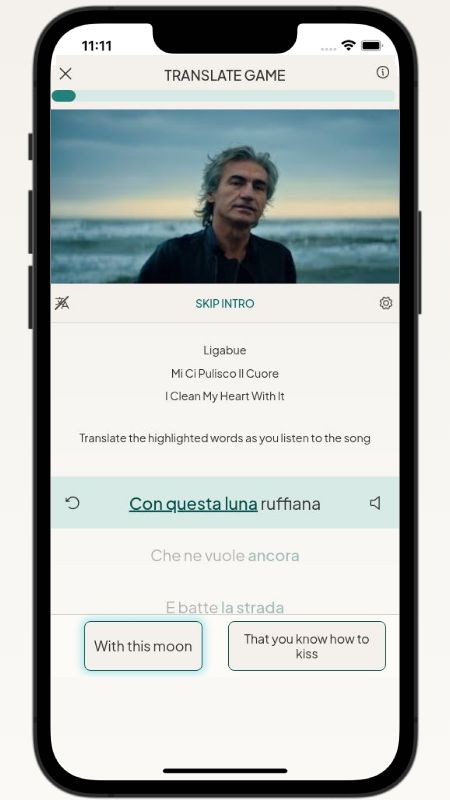
In this song, Ligabue uses it metaphorically to describe the moon as 'ruffiana' (con questa luna ruffiana). This gives the moon a mischievous, almost manipulative quality, as if it's enticing or coaxing something to happen, adding a layer of intrigue and personality to the lyrics.
This song is built around one powerful idea: finding something, anything, and using it to feel better. The title line, "Mi ci pulisco il cuore" (I clean my heart with it), repeats over and over. Ligabue isn't talking about big, life-changing events. He cleanses his heart with small, specific things: someone's scent, the April sun that "scioglie il rancore" (melts resentment), some light music, or even just "il risveglio perfetto" (the perfect awakening) next to someone who knows how to kiss.
But this isn't a simple happy song. The chorus brings in a dose of reality. He sings, "Ci vediamo in giro / Con le tue paure / Con le mie" (We'll see each other around / With your fears / With mine). He acknowledges that life is full of fear and difficulty for everyone. The song suggests that this process of finding small joys to 'clean your heart' is exactly what life is. It's not about escaping the bad stuff, but about finding a way to keep going. The final, repeated line says it all: "L'han chiamato vivere" (They called it living).