CAPELLI CORTI Lyrics in English by Emma
Pagliaccio literally translates to "clown". It's a vivid and somewhat harsh word that stands out in the lyrics.
In the song, the line "Col trucco sembri un pagliaccio" (With makeup you look like a clown) is a critical observation, suggesting that the person's attempts to hide or change themselves are transparent and perhaps even sad. It's a memorable image that conveys a sense of vulnerability and self-deception.
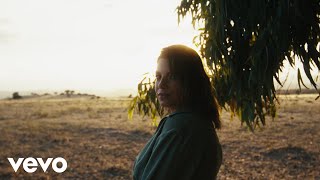
"Capelli Corti" is Emma's letter to a girl who can't stop picking herself apart in front of a mirror. The song opens mid-argument, someone else's voice needling her: "Dovresti avere dei figli" [You should have children], "Col trucco sembri un pagliaccio" [With makeup you look like a clown]. It's the kind of criticism repeated so often it starts sounding like her own thoughts.
Then the chorus flips the whole thing around. "Sei nata coi capelli corti" [You were born with short hair] turns from an insult into a plain fact, and what follows is a list of things this girl deserves simply for existing: a field to run through, ice cream in December, to get drunk in the street and go quiet in someone's arms all night. "Scopare e poi stare in silenzio abbracciata" [F*ck and then be silent, embraced], "Per tutta la notte" [All night long]. None of it is tidy or ambitious. It's ordinary permission to be happy for no reason at all, and by the time "Magari per te" [Maybe for you] keeps repeating into the fade, it stops sounding like a wish and starts sounding like something she actually believes.