Amour, Haine & Danger Lyrics in English by Angèle
Culpabilise comes from the verb culpabiliser, meaning "to make someone feel guilty" or "to feel guilty oneself". It's a strong emotional word that captures a common modern sentiment.
In the song, Angèle sings, "Je culpabilise quand j'regarde la vie des autres" (I feel guilty when I look at the lives of others). This line perfectly encapsulates the feeling of social media comparison and the guilt or inadequacy that can arise from it, making it a very relatable and impactful word in the context of the song's theme about digital addiction and its effects.
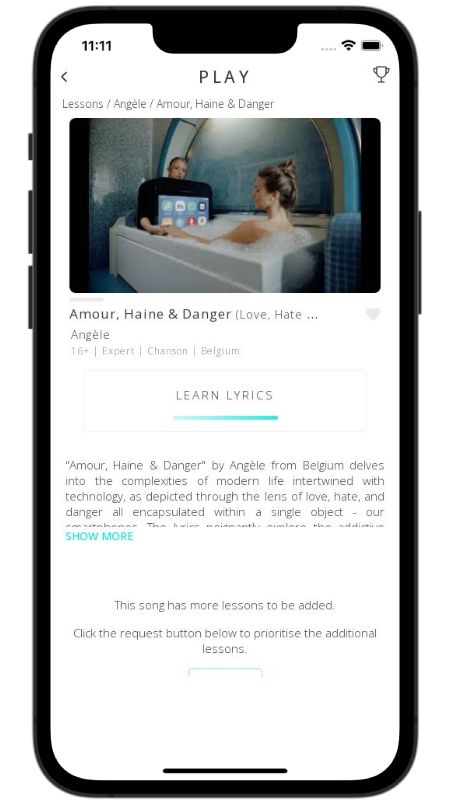
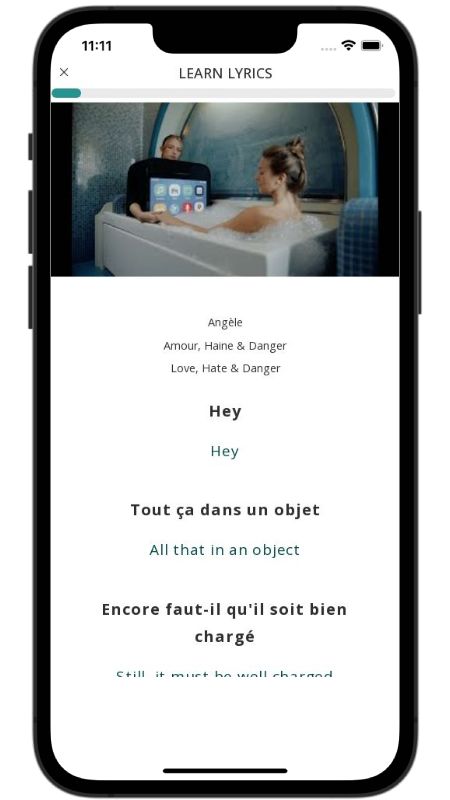
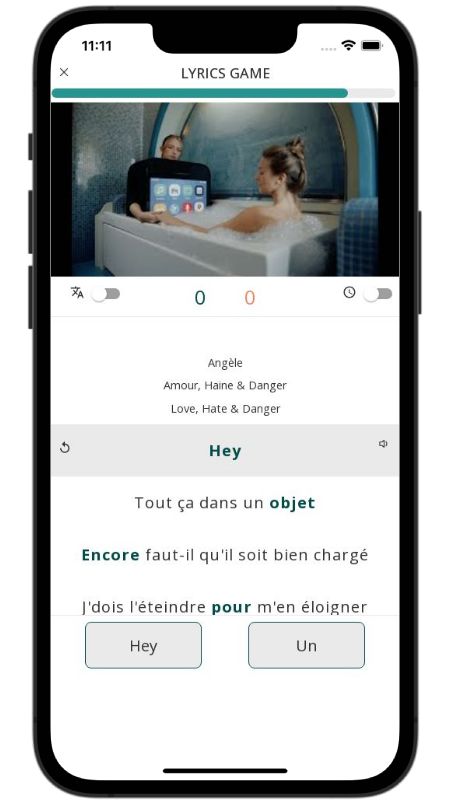
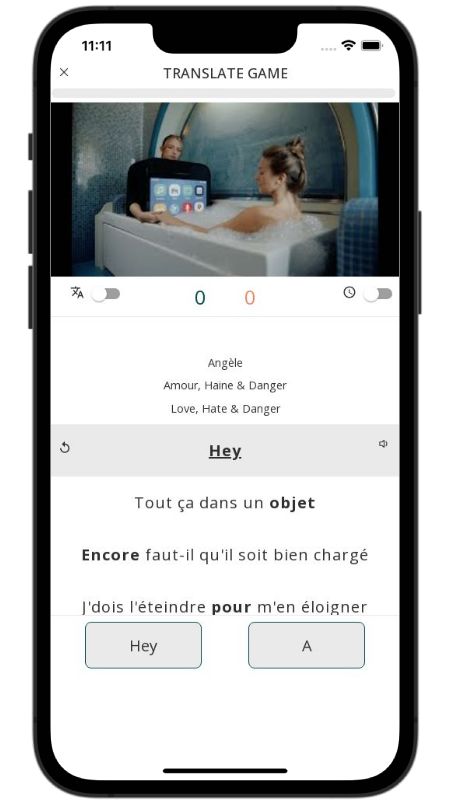
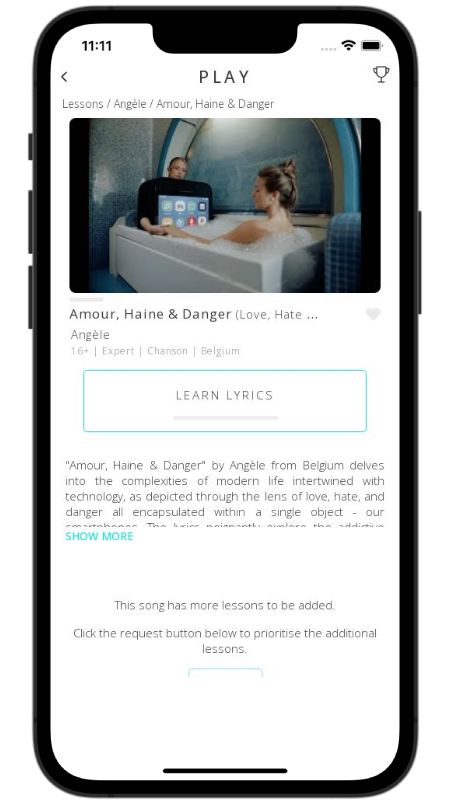
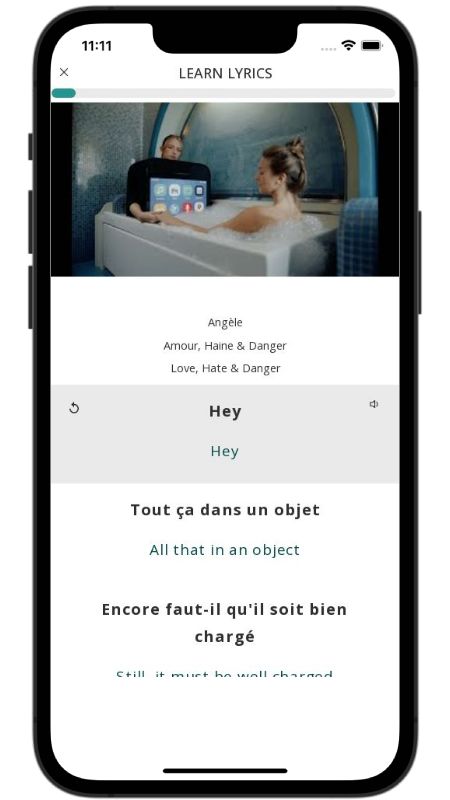
Imagine stuffing every emotion you own into a tiny glowing rectangle. In “Amour, Haine & Danger,” Belgian pop sensation Angèle zooms in on our love-hate affair with the smartphone, that “objet” we clutch from sunrise to bedtime. She sings about doom-scrolling, FOMO, and the rush of validation that quickly flips into stress, envy, or self-doubt. One moment the device feeds us friendship and music; the next it bombards us with hate, anxiety, and the nagging sense that everyone else is living better.
Angèle’s playful beat hides a gentle warning: we have handed a pocket-sized gadget the power to schedule our dates, shape our opinions, and even decide whether our day feels good or bad. By repeating “tout ça dans un objet,” she reminds us how absurd it is that so much of our emotional landscape fits inside a phone. The song becomes an invitation to hit airplane mode, look up, and reclaim real-world moments before love, hate, and danger keep vibrating in our hands all night.