No Me Queda Más Lyrics in English by Selena
Renunciar means 'to renounce' or 'to give up'. It's a powerful verb that implies a formal and definitive rejection, much stronger than simply 'to deny'.
In this heartbreaking ballad, Selena sings, "Y aunque siempre lo renuncies..." (And although you always renounce it...). She uses this word to describe how her former lover completely disowns the love they shared, while she continues to see it as the most beautiful thing in her life. This dramatic word perfectly captures the pain of having your deepest feelings invalidated.
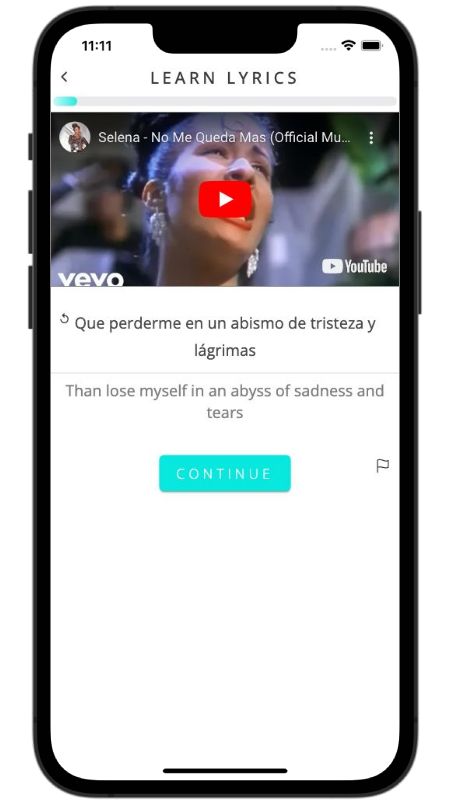
Few singers handle unreturned love with as much class as Selena does here. In this Tejano classic, she faces the hard truth that the person she loves is gone for good. The title phrase sets the stage: "No me queda más" ("I have nothing left" or literally "Nothing more remains for me"). Instead of throwing a tantrum or seeking revenge, she accepts her loss with surprising grace. She sings that all she can do is "aguantar bien mi derrota y brindarte felicidad" ("take my defeat well and wish you happiness"). The verb aguantar means to endure or bear a heavy burden, showing that stepping aside takes real strength.
What makes this track hit so hard is the contrast between their views of the past. Her ex denies their history, but Selena refuses to rewrite the past to save face. Even though he claims nothing ever happened, she boldly calls their time together "el más dulce recuerdo de mi vida" ("the sweetest memory of my life"). She openly admits she was "totalmente equivocada" ("completely mistaken" to think he would stay, yet she holds no regrets. It hurts to look at someone as "sólo amigo" ("just a friend"), but for her, what she felt was real: "lo más lindo, el más grande amor" ("the prettiest thing, the greatest love").