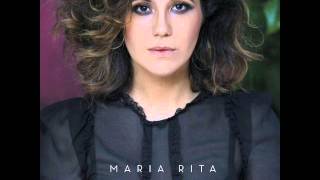
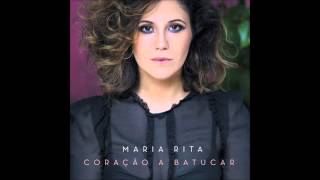
Nunca Se Diz Nunca Lyrics in English by Maria Rita
Ingrata means "ungrateful" or "unpleasant." It's a strong adjective that isn't as common in everyday conversation as other words, making it stand out.
In the song, Maria Rita uses it to describe the word "nunca" (never) itself, singing "Na verdade nunca é uma palavra ingrata demais" (In truth, "never" is too ungrateful a word). She personifies "never" as something unpleasant because it closes off possibilities, especially in love, making it a thought-provoking choice.
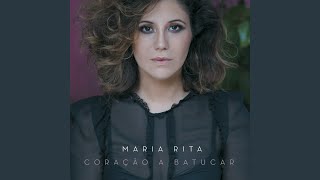
Maria Rita opens with a promise she immediately breaks: "Nunca vou falar que nunca vou correr atrás" [I’ll never say I’ll never go after it]. Her case against the word itself is that "nunca" is "uma palavra ingrata demais" [too ungrateful a word] — too absolute for anything love actually does. That argument becomes the song’s own refrain: "Nunca se nega um beijo" [You never deny a kiss], "Nunca se nega o desejo" [You never deny desire], "Coração nunca se engana" [The heart is never mistaken]. Off her 2007 album "Coração a Batucar," the song rides a light samba pulse back to that same chorus again and again, the repetition itself making her point — nunca, as a word, doesn’t hold.