Te Alejas Más De Mí Lyrics in English by Esteman, Daniela Spalla
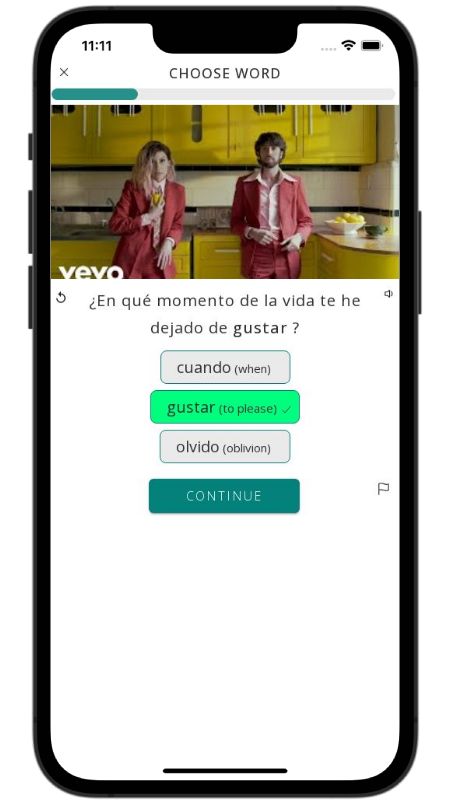
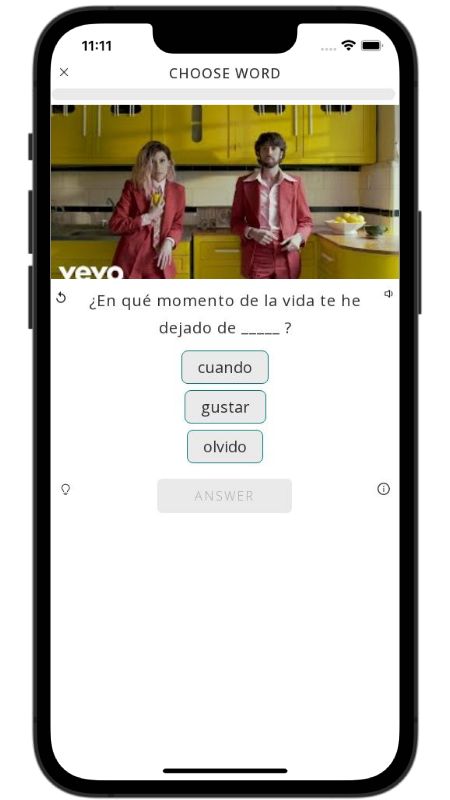
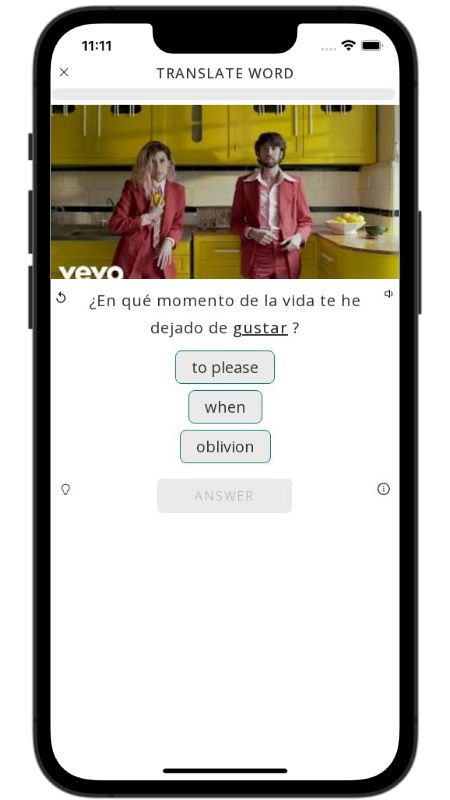
Olvido translates to "oblivion" or "forgetfulness". It's a beautifully melancholic word, derived from the verb olvidar (to forget), but it carries a much more poetic and profound weight.
In the song, the singer fears their relationship will become "un amor fallido que se va al olvido" (a failed love that fades into oblivion). This phrase captures the deep sadness of being completely forgotten, making it a very powerful and memorable word to learn.
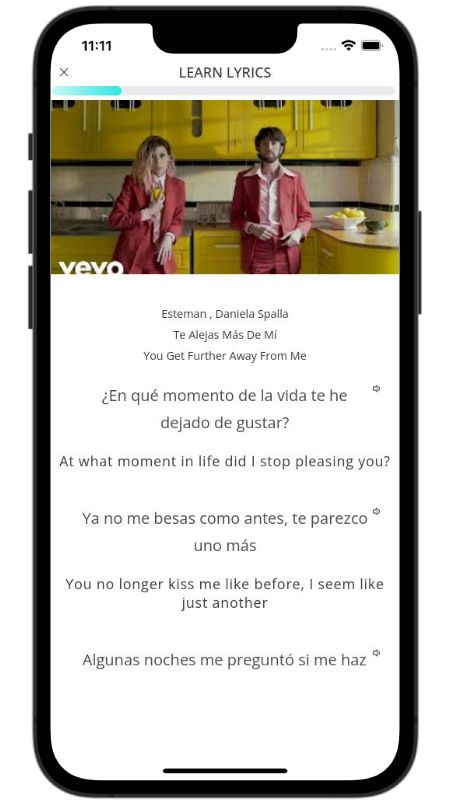
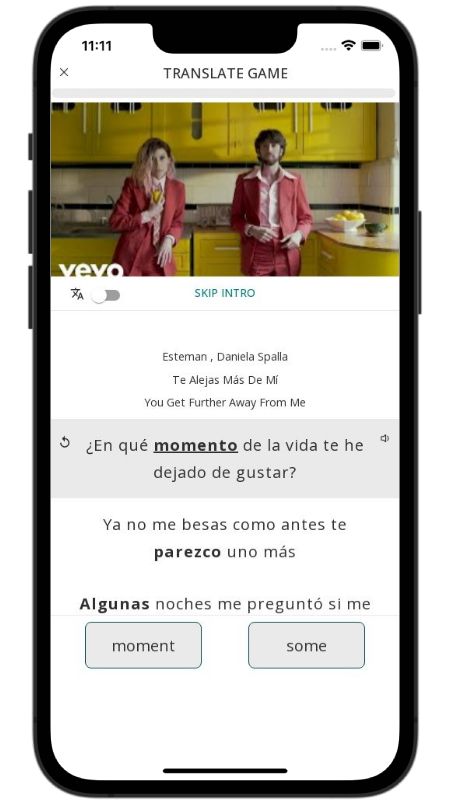
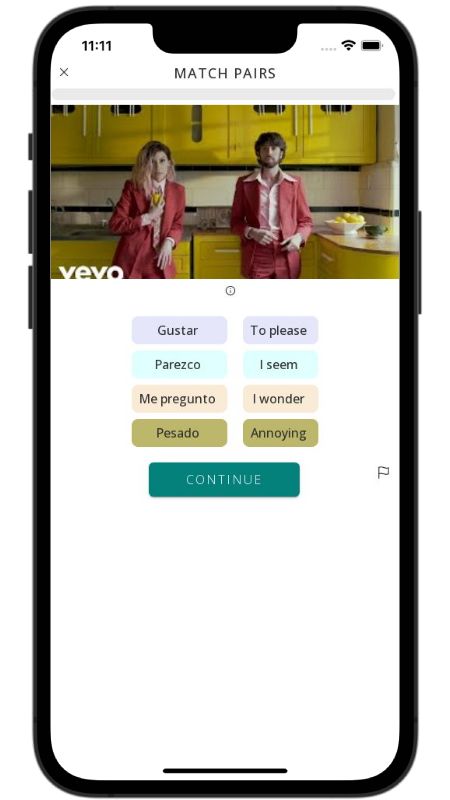
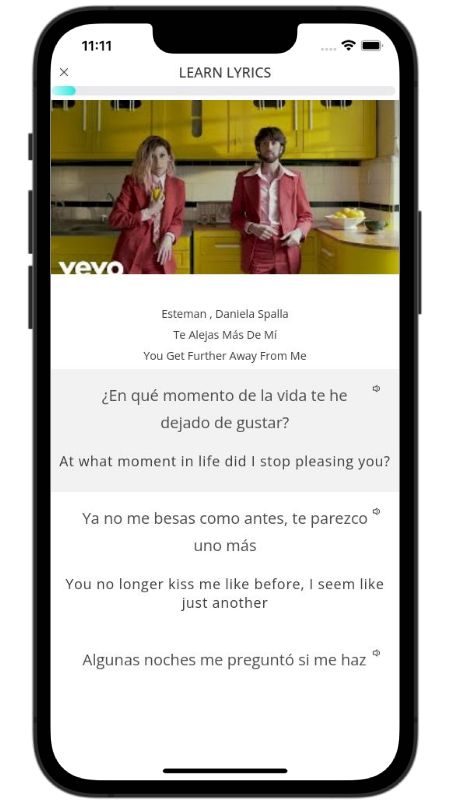
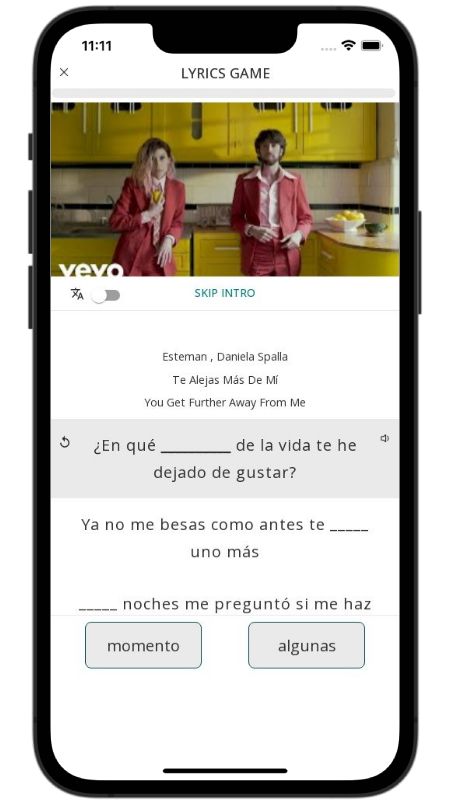
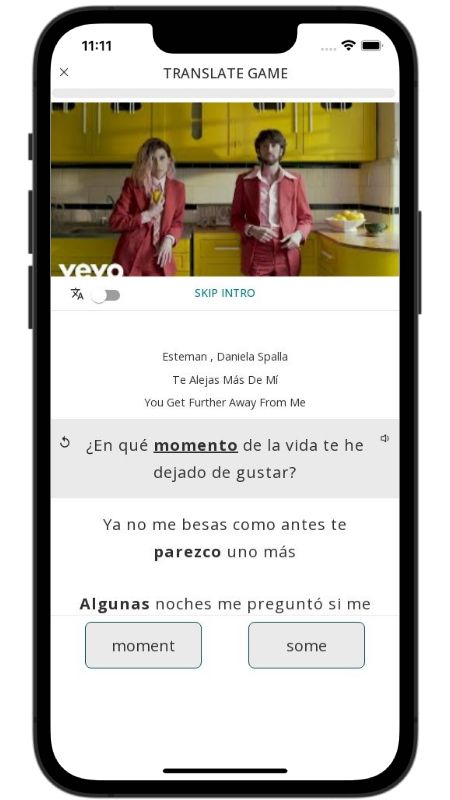
Colombian pop singer Esteman teams up with Daniela Spalla to explore the painful moment when you realize someone is pulling away from you. Right from the start, the singer asks bluntly, ¿En qué momento de la vida te he dejado de gustar? [At what point in life did you stop liking me?]. He notices small, telling shifts: kisses don't feel the same anymore, and he feels treated like uno más [just another person / just anyone else]. There is a very real frustration in wanting clarity without feeling like a burden, summed up when he says Amor no quiero ser pesado pero me hace mucho mal [Love, I don't want to be annoying, but it hurts me badly]. In Spanish, calling yourself pesado literally means "heavy," but here it describes someone being clingy, nagging, or an irritating drag.
The core of the song is that exhausting tug-of-war where trying harder only makes things worse: cuando me acerco tú te alejas más de mí [when I get closer, you move further away from me]. The singer knows deep down that nada es para siempre [nothing is forever], but he hits a wall of emotional defenses that he calls paredes que no puedo destrozar [walls that I cannot tear down]. What hurts the most is the fear that their shared history will be dismissed as una coincidencia [a coincidence] or un amor fallido que se va al olvido [a failed love that fades into oblivion]. It is a catchy pop track built around that desperate plea for an explanation before finally giving up.