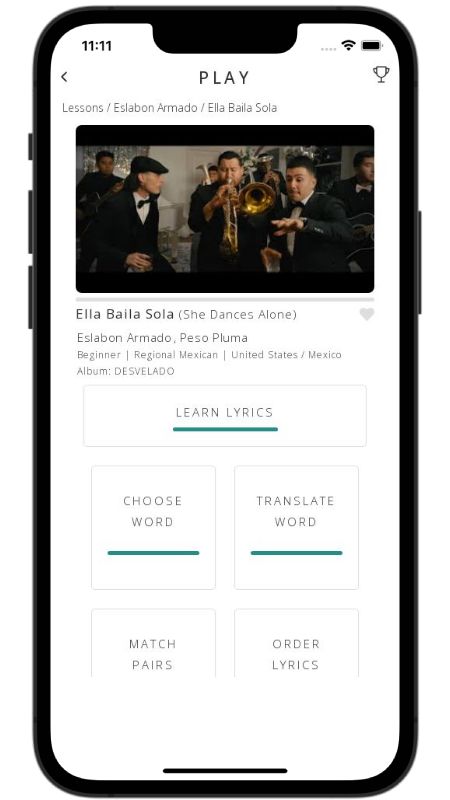
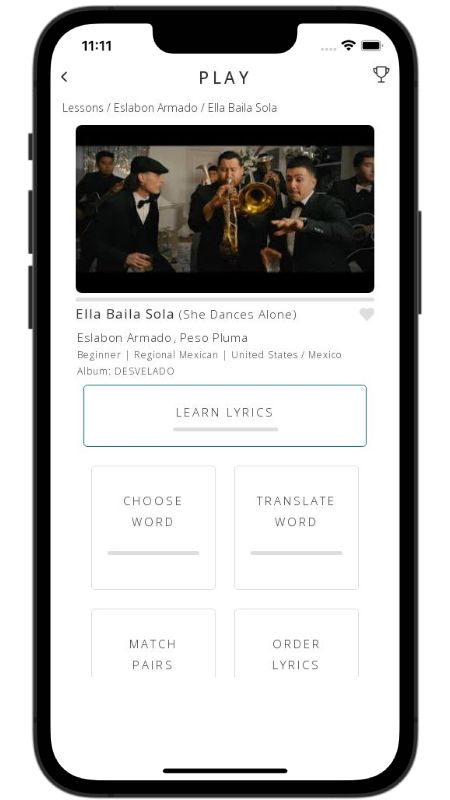
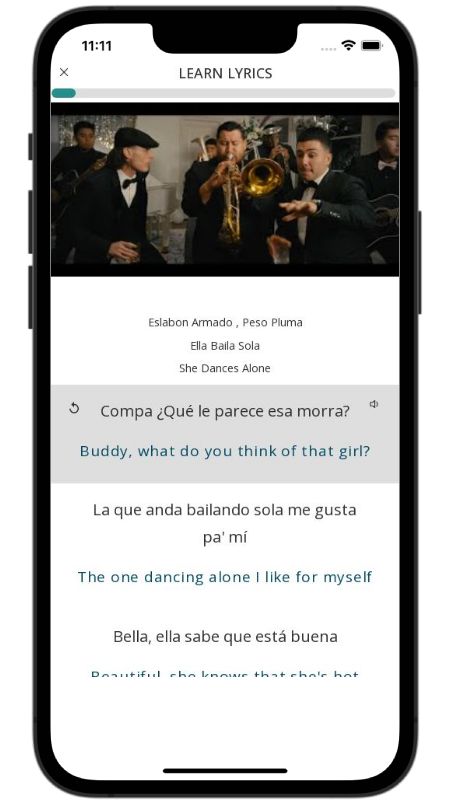
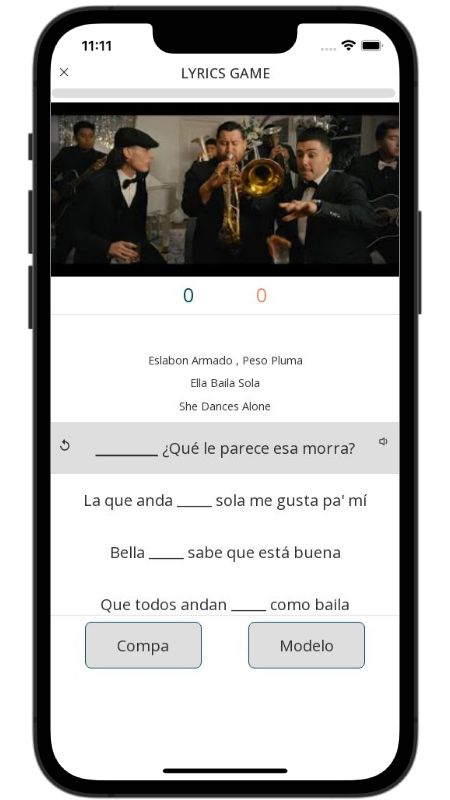
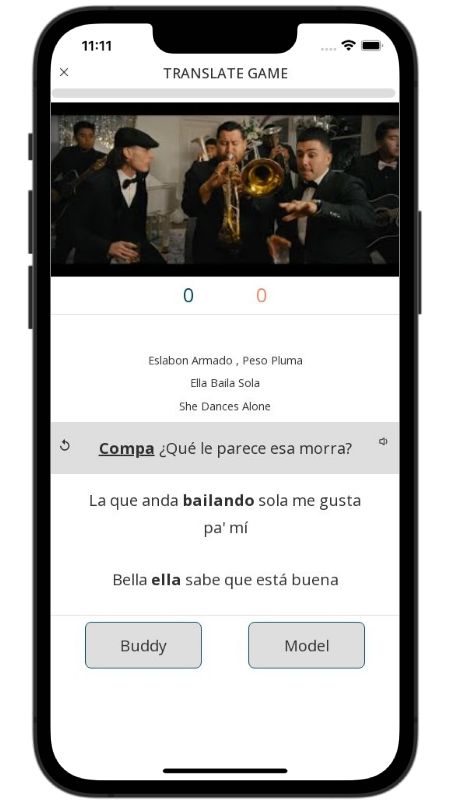
Ella Baila Sola Lyrics in English by Eslabon Armado, Peso Pluma
Morra is a very popular slang term in Mexico for "girl" or "chick." You won't find this in a textbook, but you'll hear it all the time in modern music and casual conversation.
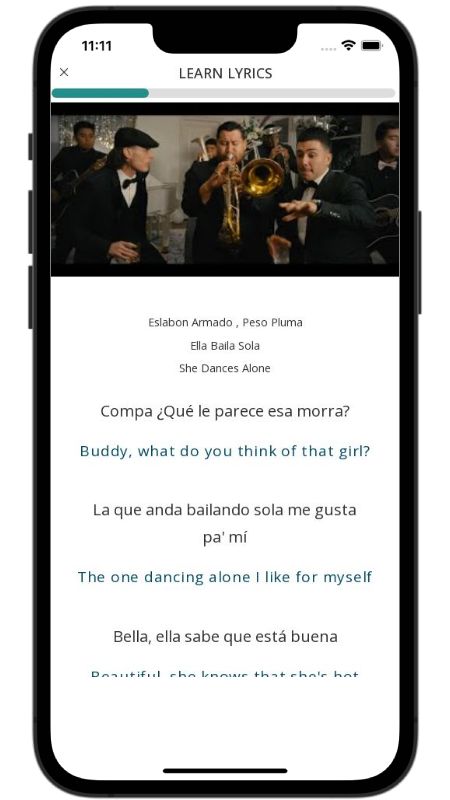
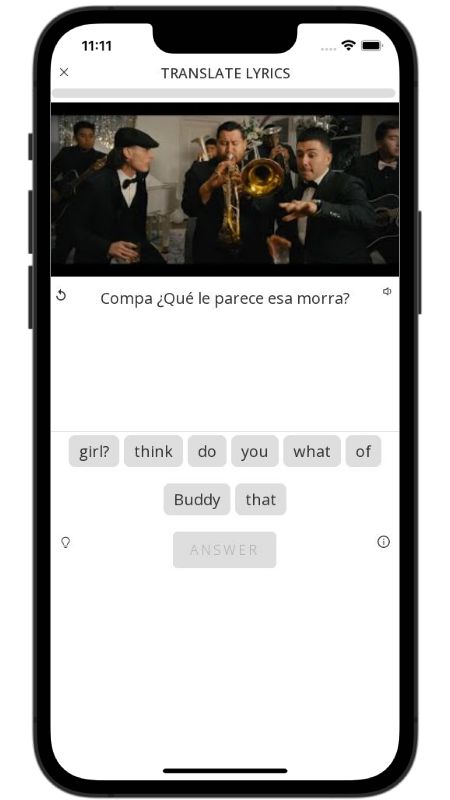
In "Ella Baila Sola," the song kicks off with the line, "¿Qué le parece esa morra?" (What do you think of that girl?), immediately setting a casual, conversational tone. Learning this word is a key to understanding the song's authentic, regional flavor.
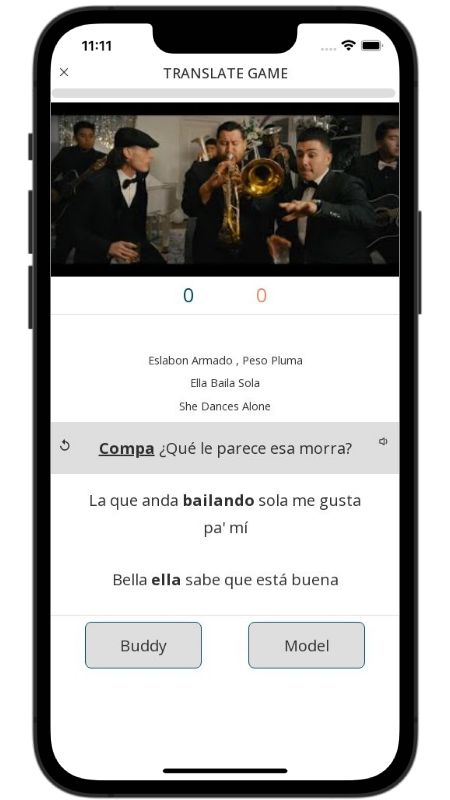
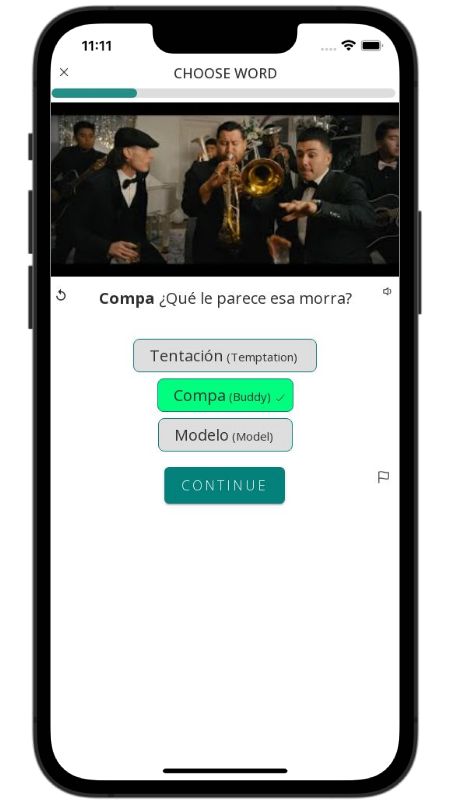
"Ella Baila Sola" kicks off right in the middle of a night out when one guy spots a girl on the dance floor and turns to his friend: "Compa ¿Qué le parece esa morra? La que anda bailando sola me gusta pa' mí" ("Friend, what do you think of that girl? The one dancing alone, I like her for myself"). Mexican slang drives the entire scene: compa is your close friend, and morra means a girl or young woman. Instead of hesitating, he walks up to shoot his shot ("le tiro todo un verbo" / "I throw all my smooth talk at her"). His pitch is bold, dramatic, and honestly pretty wild: he promises to win over her whole family and make her his within days ("Voy a conquistar tu familia, que en unos días vas a ser mía"). She tells him he is crazy ("loco"), but she is into it because no other guy ("vato") acts like him.
Money is not the selling point here. He admits outright, "No soy un vato que tiene varo" ("I'm not a guy who has cash" - varo being street slang for money), promising instead that his intentions are completely honest from the heart. That honesty works. Before his friend can even process what is happening, she grabs his hand on the dance floor ("Mi compa ni se la creyó" / "My buddy couldn't even believe it"). He raves over her model-like waist ("cinturita como modelo") and her eyes, leaving no doubt about the mutual spark: "A ella le gusto y a mí me gusta" ("She likes me and I like her"). It is a fast-paced, high-confidence chase where a direct approach wins the night.