Tú Me Dejaste De Querer Lyrics in English by C. Tangana, Niño de Elche, La Hungara
De punta en blanco is a Spanish idiom that means to be dressed immaculately in your best clothes, similar to the English phrase "dressed to the nines". The literal translation is "from point in white".
In the song, C. Tangana creates a powerful and relatable image with this phrase. He sings about getting dressed de punta en blanco for a party, highlighting his deep emotional turmoil and obsession despite trying to keep up appearances.
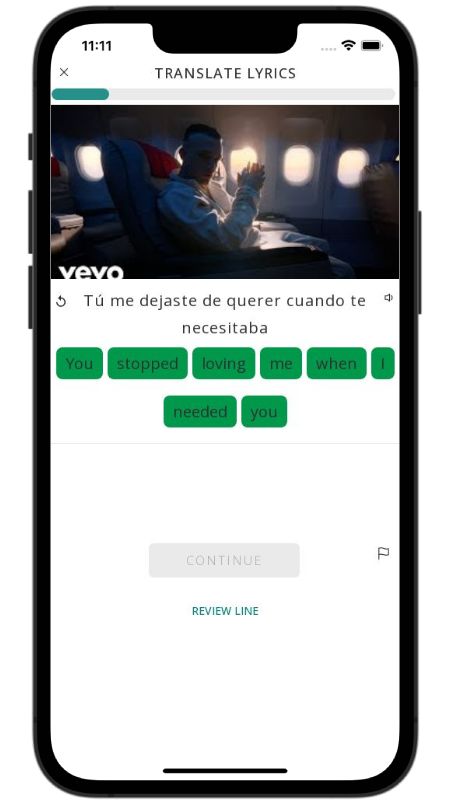
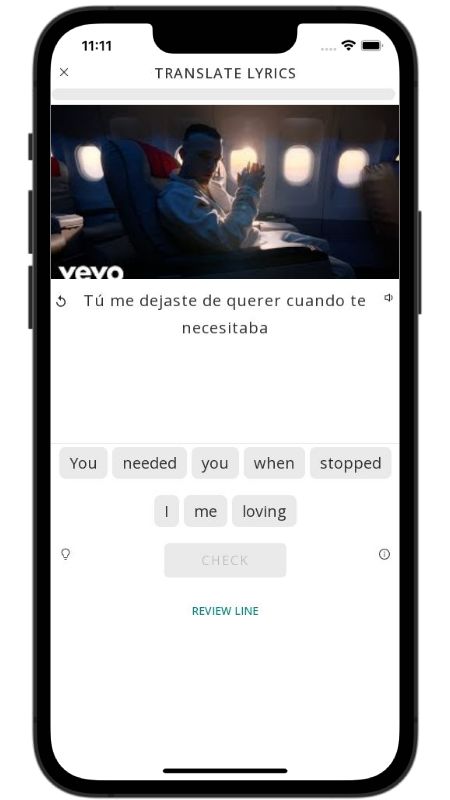
Spanish artist C. Tangana usually talks a big game, but here he admits that getting dumped knocked the wind out of him. He thought he was completely untouchable, only to realize he still has feelings: "Yo me creía que era el más cabrón / Pero me estoy notando el corazón" ("I thought I was the toughest bastard / But now I'm feeling my heart"). Joined by flamenco voices Niño de Elche and La Húngara, he unpacks the sting of an ex walking away just when he needed them most, right at the peak of his love: "Tú me dejaste de querer cuando te necesitaba... Cuando más te quería / Se te fueron las ganas" ("You stopped loving me when I needed you... When I loved you most / You lost interest").
The lyrics mix pure melodrama with messy, everyday details. In one line, he talks about getting completely dressed up—"De punta en blanco" (meaning "dressed to the nines" or in your sharpest clothes)—just to go to her party, only to end up spiraling and wearing the exact same outfit for three straight days ("he pasado tres días con la misma ropa puesta"). He is losing bets, losing his mind, and constantly wondering who she goes to sleep thinking about while he knows his own longing is totally pointless ("son ilusiones" / "they're just illusions"). It is blunt, desperate, and refreshingly honest about how pathetic a breakup can make you look.