LO QUE LE PASÓ A HAWAii Lyrics in English by Bad Bunny
Jíbaro is a word used in Puerto Rico to describe people from the countryside. It's more than just a demographic term; it represents the traditional, hardworking soul of the island and is a powerful symbol of Puerto Rican identity and cultural pride.
In this song, Bad Bunny sings "Se oye al jíbaro llorando" (You can hear the countryman crying), using the word to personify the island's pain as its people are displaced. Learning this word is key to understanding the song's deep social commentary.
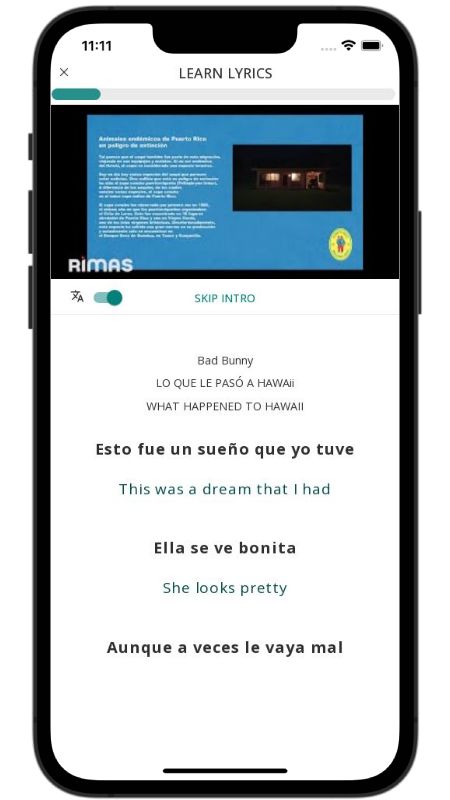
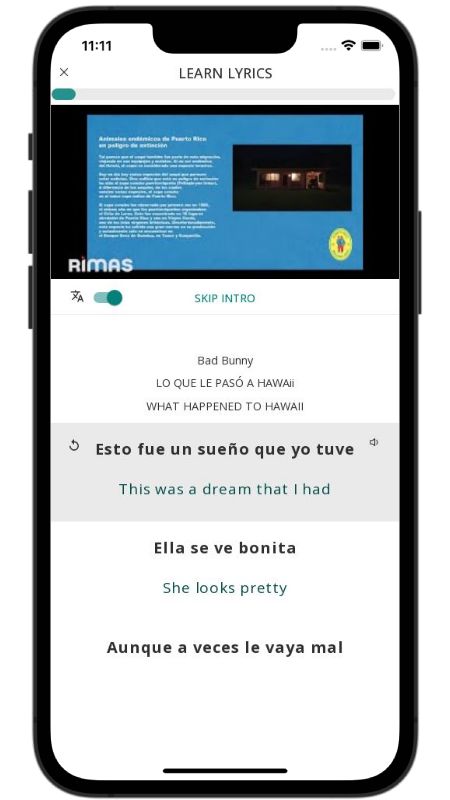
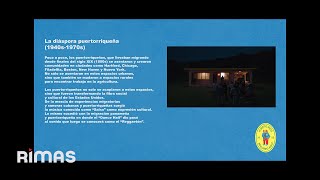
Bad Bunny gets straight to the point in this track, telling a story about the heartbreak of watching people get pushed out of his home island of Puerto Rico. He opens by framing the song as a dream about an island trying to smile through pain while facing heavy losses. He points fingers directly at political greed with lines like "No quería irse pa' Orlando / Pero el corrupto lo echó" ("He didn't want to leave for Orlando / But the corrupt person threw him out"). The song calls out outsiders taking over local spaces—"Quieren quitarme el río / Y también la playa" ("They want to take my river / And the beach too")—while older generations (abuelita) and younger families are forced to pack up and leave.
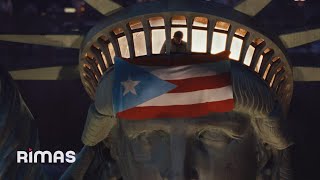
What makes this track stand out is its urgent plea not to lose local identity in the face of gentrification and displacement. Bad Bunny warns Puerto Ricans by pointing to what happened in Hawaii, where native locals were largely displaced from their own lands. He begs listeners, "No, no sueltes la bandera / Ni olvides el lelolai" ("Don't let go of the flag / Nor forget the lelolai"). The word "jíbaro" refers to the traditional Puerto Rican countryside folk, while "lelolai" is the signature melodic phrase used in Puerto Rican folk music (jíbaro music). By shouting out these roots, he turns the song into a call to stay, fight back, and hold on to home.