EoO Lyrics in English by Bad Bunny
Bichote is a popular Puerto Rican slang term derived from the English phrase "big shot". While it originally referred to a high-level drug trafficker, its meaning has expanded in pop culture.
In this song, Bad Bunny uses bichote to mean a 'boss' or 'the top dog'. He sings, "Me siento como un bichote en los noventa" (I feel like a big shot in the 90s), using the word to convey a sense of power, success, and being untouchable at the peak of his career. It's a perfect example of the unique slang that gives reggaeton its distinct flavor.
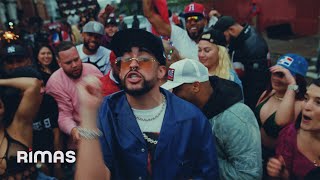
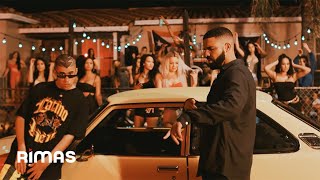
Bad Bunny takes us straight into a sweaty, high-octane club night with "EoO", teaming up with legendary producer Tainy to deliver pure, unfiltered old-school reggaeton. The track wastes zero time with polite small talk: it is completely centered on perreo (a close, grinding style of dance) and bellaqueo (intense flirtation and lust). Bad Bunny sets the scene immediately as a woman walks into the club flanked by her crew, turning heads so fast that "to' los bandidos se sueltan las pistolas" ("all the gangsters drop their guns"). From there, the lyrics dive headfirst into hedonism, flexing luxury purchases like a "BM" (a BMW) and an "AP" (an Audemars Piguet luxury watch), while warning anyone trying to interrupt the party with "no la llames en el jangueo, si no quieres que mienta" ("don't call her while she's partying, unless you want her to lie").
What makes the track hit so hard is how Bad Bunny proudly roots his sound in 1990s Puerto Rican street culture. He directly calls out his status, declaring "me siento como un bichote en los noventa" ("I feel like a 90s kingpin"), using the Puerto Rican slang bichote to channel the swagger of old-school neighborhood bosses. By the time the beat winds down, he breaks into a spoken-word outro to remind everyone that this rhythm was born and raised "en los caseríos, en los barrios" ("in the housing projects, in the neighborhoods"). It is loud, explicit, hilarious in its directness, and completely devoted to keeping the dance floor moving.