Pocahontas Lyrics in English by AnnenMayKantereit
Den Rest geben literally translates to "to give the rest". However, it's a powerful idiom that means 'to be the last straw' or 'to deliver the final blow' that emotionally breaks someone.
In the song, the line "Du gibst mir den Rest" conveys a deep sense of despair. The singer feels so overwhelmed by the painful breakup that this one final interaction is the thing that completely 'finishes him off'.
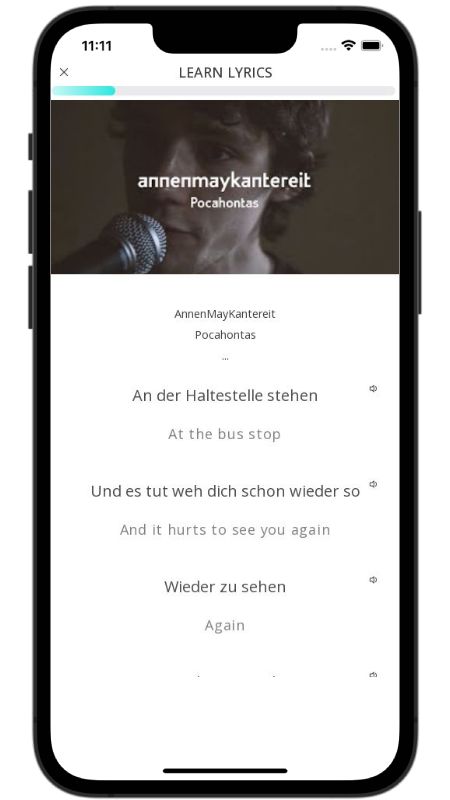
Breakups are messy, but the most awkward part is often the post-breakup chore: handing back someone's leftover stuff. In "Pocahontas," German rock band AnnenMayKantereit zooms straight in on that exact discomfort. The singer is standing at a tram or bus stop ("An der Haltestelle stehen" [Standing at the stop]), meeting his ex only because his apartment is full of junk she left behind that he cannot stand looking at anymore ("Weil bei mir so viel Zeug von dir rum liegt / Das ich nicht mehr ertrage" [Because so much of your stuff is lying around at my place / That I can't stand it anymore]). She brings a huge bag ("Die Tasche ist groß" [The bag is big]), and both of them know this goodbye is final. He is stuck in limbo: "Ich halt' dich nicht fest / Und lasse dich nicht los" (I'm not holding you tight / And I'm not letting you go).
What makes this track hit so hard is how painfully blunt he gets about the sunk-cost fallacy of long relationships. He points out that they have been together way too long to call it quits now, only to immediately call his own excuse out: "Aber das ist ein verdammt beschissner Grund" (But that's a damn shitty reason). The German word beschissen is everyday coarse slang built off the word for "shit," making his frustration feel completely unvarnished. Even while admitting defeat and singing "Es tut mir Leid Pocahontas" (I am sorry, Pocahontas) to a partner he addresses by nickname, he still cares about the everyday details: how well she knows him, what she calls him, and where she crashes for the night ("Wo du gerade pennst" [Where you're crashing right now]—pennen being casual German slang for sleeping). It is messy, honest, and painfully relatable rock.