Hinter Klugen Sätzen Lyrics in English by AnnenMayKantereit
Fernweh is a beautiful German word that literally translates to "farsickness" or "distance pain." It's the opposite of homesickness, describing a deep longing to travel and explore distant places.
In the song, the singer expresses having "Fernweh ohne Ende" (endless Fernweh) for the unfamiliar, because they've become estranged from themselves. This word perfectly captures a universal feeling of yearning for something beyond one's current reality, making it both relatable and uniquely German.
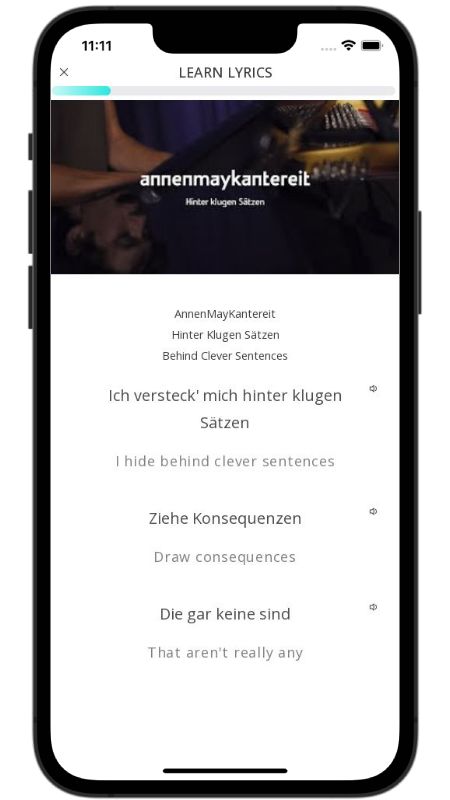
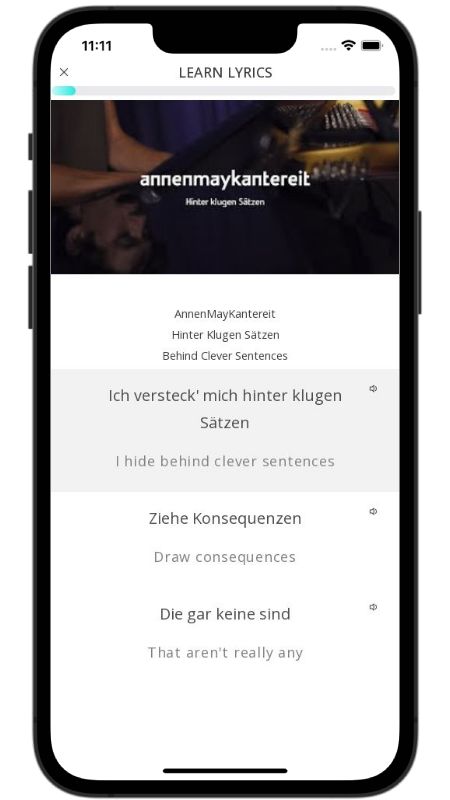
This song is a brutally honest look at someone who feels completely lost and is trying to hide it from everyone, including themselves. The singer admits, "Ich versteck' mich hinter klugen Sätzen" (I hide behind clever sentences), using big words and ideas to avoid dealing with his real problems. He pushes away friends, makes empty promises to change, and feels a deep sense of wanderlust, but he knows why: "Weil ich mir selber fremd geworden bin" (Because I have become a stranger to myself). It's a feeling of being disconnected from your own life.
What's really striking is how self-aware the narrator is about his own self-destruction. He says he bets everything "Weil ich verlieren will" (Because I want to lose), which is a heavy thing to admit. He's also terrified of getting close to anyone, confessing, "Ich habe Angst zu lieben, immer nur am Zweifeln" (I'm afraid to love, always doubting), because he's convinced everything will end anyway. The whole song feels like a confession from someone who is smart enough to see all their own flaws but feels powerless to fix them.