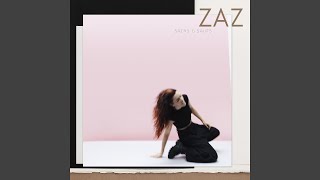
Tout Là-haut Lyrics in English by ZAZ
Fêlures literally translates to "cracks" or "fissures", often referring to physical breaks. It's a powerful and evocative word that isn't used in everyday conversation as frequently as more common terms for problems.
In the song, ZAZ uses it metaphorically in the phrase "les fêlures de l'enfance" (the cracks of childhood). This suggests hidden emotional wounds or vulnerabilities from the past, making it a deeply resonant and memorable word that invites listeners to explore the song's deeper meaning.
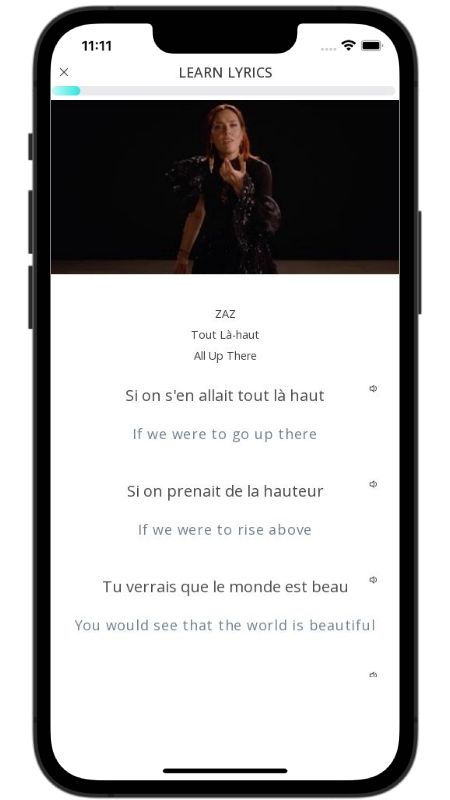
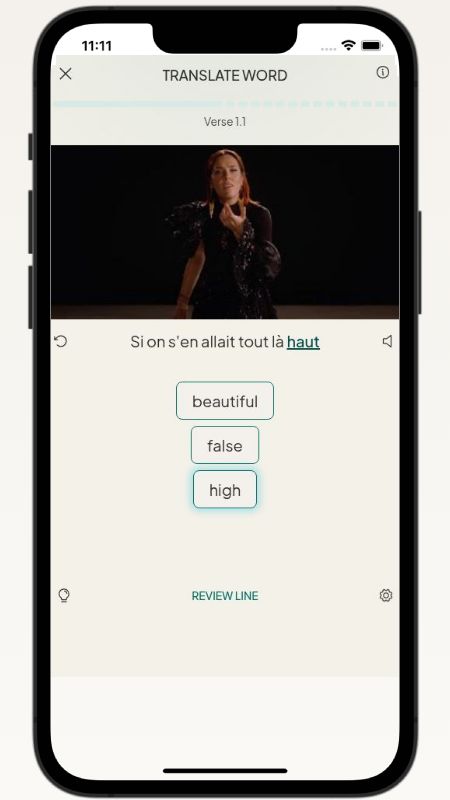
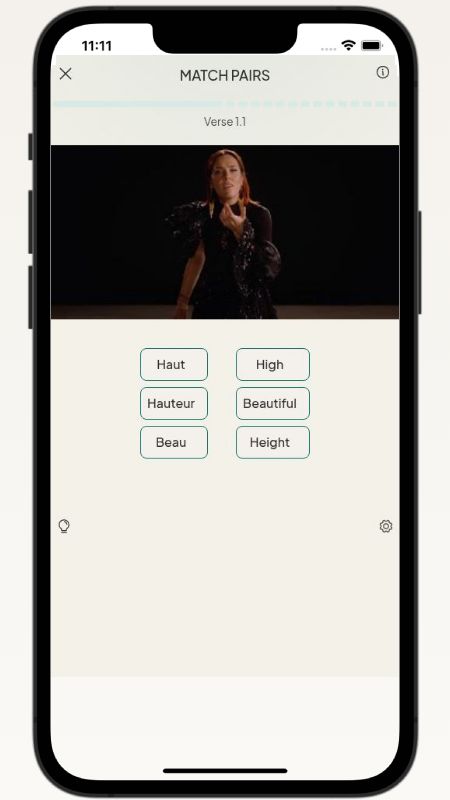
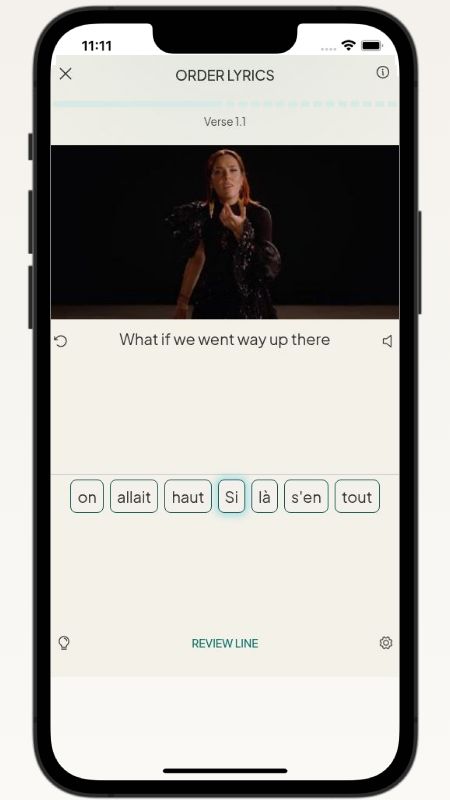
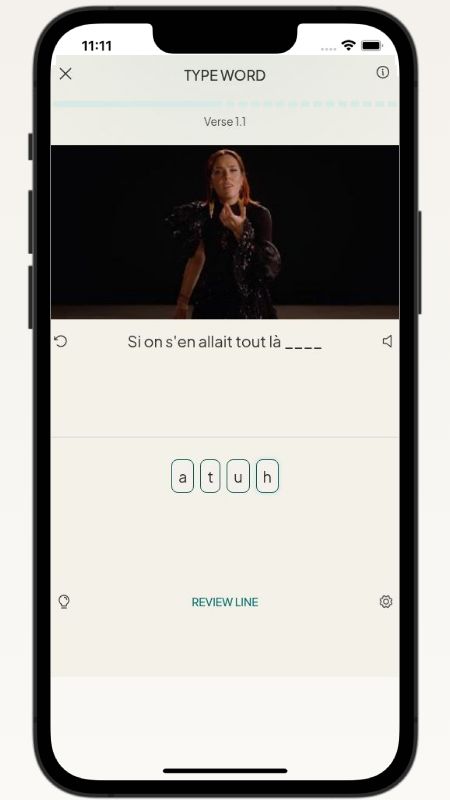
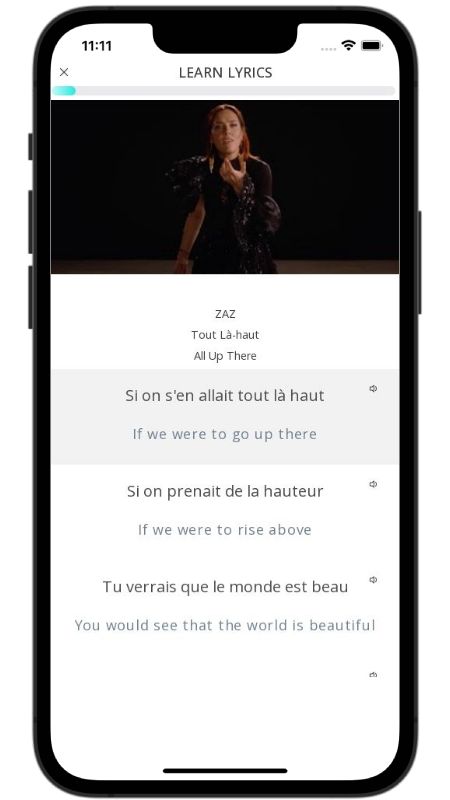
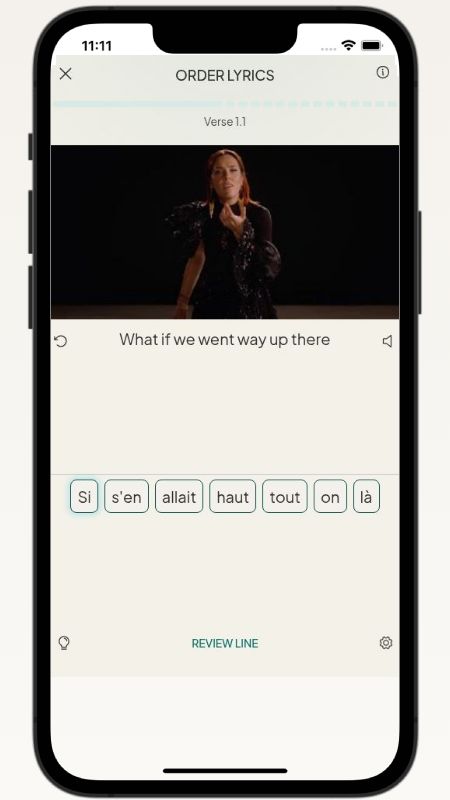
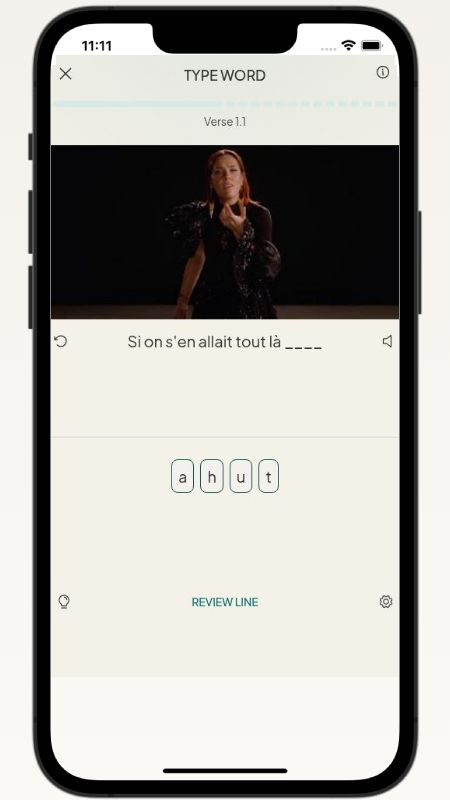
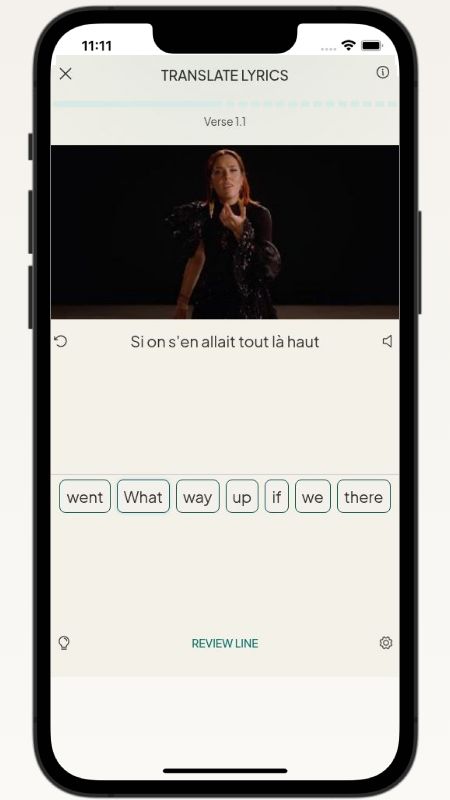
Have you ever felt like you just need to get away from it all to clear your head? That's exactly what French singer ZAZ is inviting us to do in this song. She asks, "Si on s'en allait tout là haut / Si on prenait de la hauteur" (What if we went way up high / What if we got some perspective?). From this higher place, she promises, "Tu verrais que le monde est beau" (You would see that the world is beautiful). It's a song about finding a mental escape to heal from our "peines et les peurs" (sorrows and fears).
Up there, away from the daily grind, we can drop our masks. ZAZ sings that beneath our "fausses apparences" (false appearances), we all hide "les blessures de l'enfance" (the wounds of childhood). But by going "up high," we can forget our certainties, stop pretending, and finally understand our purpose. As she puts it, up there "On ne joue plus d'artifice / On sait pourquoi on existe" (We no longer play with tricks / We know why we exist). It's a beautiful call to find clarity and freedom by looking at life from a different angle.