Cosa Nuestra Lyrics in English by Rauw Alejandro
Bandoleros literally translates to "outlaws" or "bandits". It's a dramatic and cool-sounding word that adds a touch of rebellion to the song.
In "Cosa Nuestra," Rauw Alejandro isn't talking about actual criminals. He uses bandoleros to refer to his loyal crew or posse, suggesting a tight-knit brotherhood that lives by its own rules. It's a powerful metaphor for loyalty and facing the world together with his chosen family.
Rauw Alejandro kicks things off by borrowing a famous line from poet Pablo Neruda: "Es tan corto el amor y tan largo el olvido" ("Love is so short, and forgetting is so long"). He admits to waking up on the wrong side of the bed ("me levanto del pie izquierdo") while wrestling with memories of an ex that blow in and out like leaves in the wind. He wanders from bed to bed looking for her ("Voy de cama en cama buscándola y no la encuentro"), but no replacement works, and just hearing her name still hurts.
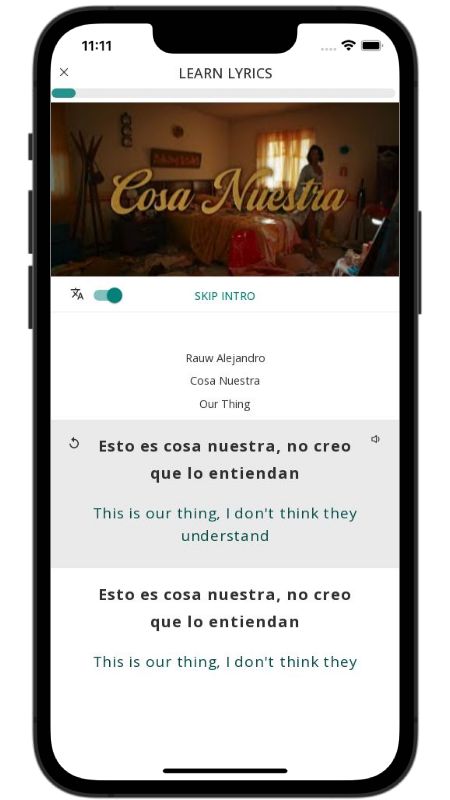
At the same time, the track flips into a gritty street story. Rauw surrounds himself with his crew ("Sigo con mis bandoleros"), warns his rivals that he is watching their every move ("A ustedes los tengo vigilado"), and shrugs off trouble with the bold challenge: "Que llegue el siguiente problema, que el de ayer todavía no me ha tumbado" ("Bring on the next problem; yesterday's still hasn't knocked me down"). Between the heartbreak and the street drama, his repeated hook "Esto es cosa nuestra, no creo que lo entiendan" ("This is our thing, I don't think you'd understand") makes one thing clear: unless you lived it with him, you won't get it. The track wraps up like a classic Puerto Rican radio broadcast on WVOZ AM, introducing him as the island's most eligible bachelor.