Tourner Dans Le Vide Lyrics in English by Indila
Vertiges literally translates to "dizziness" or "vertigo". It's a beautiful word that Indila uses to describe both a physical sensation and a state of emotional turmoil.
In the song, she sings of "Les vertiges et le labeur" (The vertigo and the toil), linking the dizzying feeling of her love and subsequent loss to the hard life of the man she loves. This word perfectly captures the disorienting emotions that make her feel like she's "spinning in the void" (tourner dans le vide), the song's central theme.
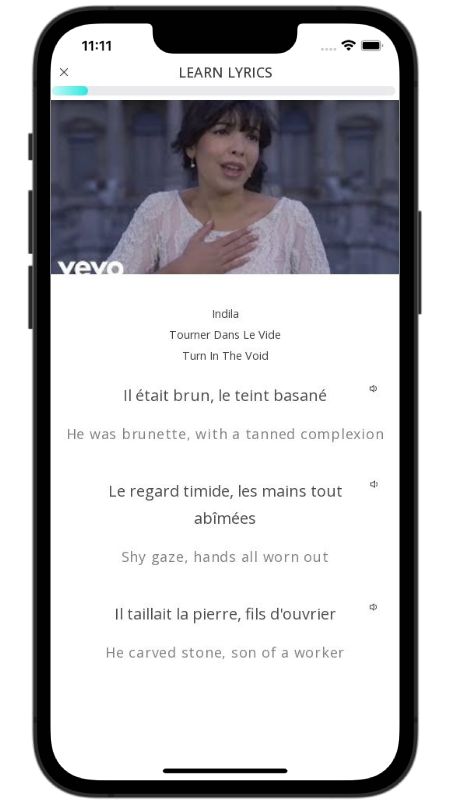
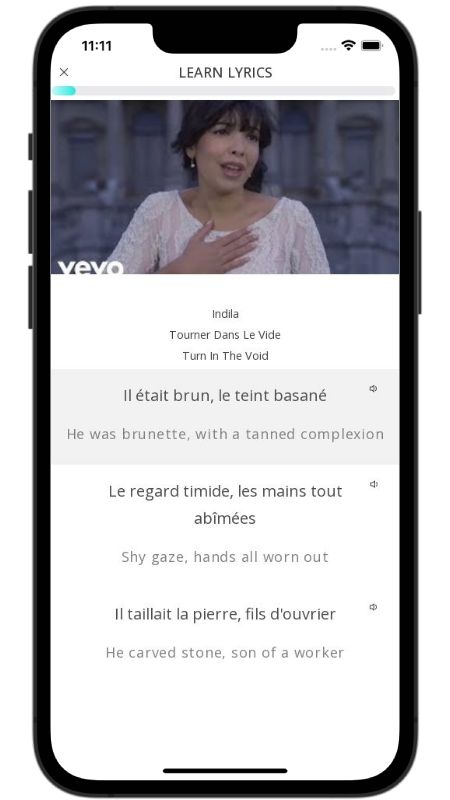
French singer Indila tells a dramatic story about falling hard for someone the rest of the world looks down on. She begins by describing a working-class stonemason with dark hair, tanned skin, and roughed-up hands: Il taillait la pierre, fils d'ouvrier [He carved stone, the son of a worker]. When onlookers laugh at his humble status, she snaps back at their arrogance, calling them fake and shallow: Vous êtes faussement heureux, vous troquez vos valeurs [You are falsely happy, you trade your values]. To her, he is everything. Yet she keeps her feelings hidden while he is around, admitting, J'aimerais tellement lui dire mais je n'ose pas [I would love to tell him so much, but I dare not].
Then the mood crashes into grief. The man is suddenly gone, and she spirals completely out of control. That dizzy collapse powers the huge French chorus: Tourner dans le vide [Spinning in the void / spinning into emptiness]. In everyday French, le vide literally means an empty space or a vacuum, so she feels like she is spinning into nothingness with no ground beneath her feet. Later, she calls him mon beau soldat [my handsome soldier] and dreams of meeting him again dans l'au-delà [in the afterlife]. It turns a simple love story into a huge, dizzying waltz of longing, loss, and bitter memories stuck like tears she cannot wipe away.