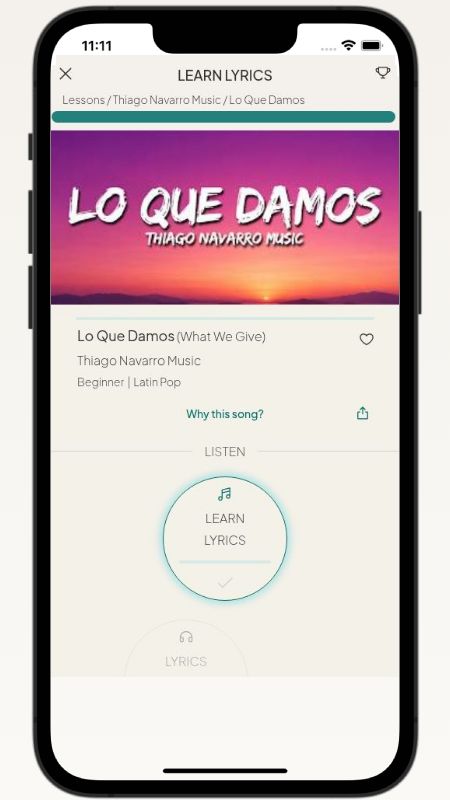
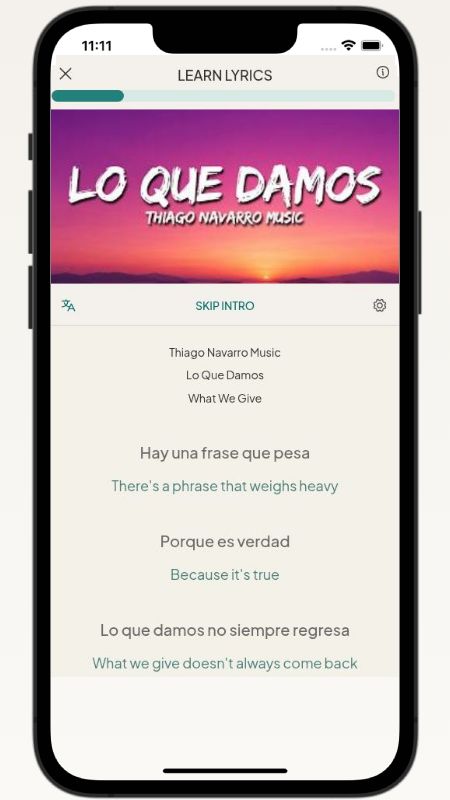
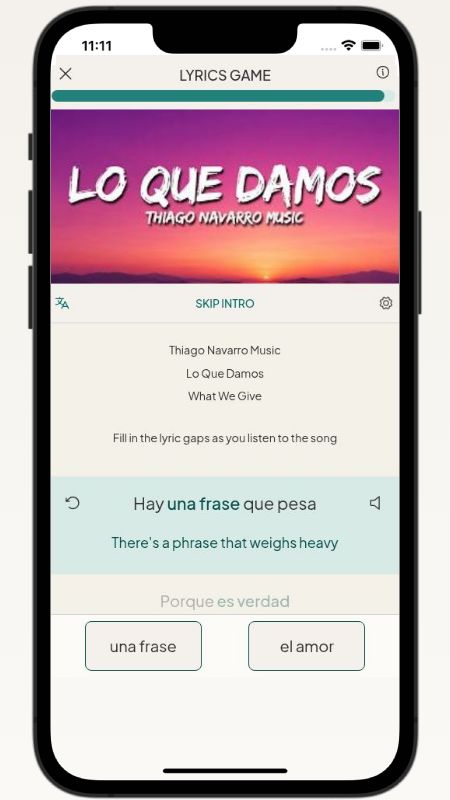
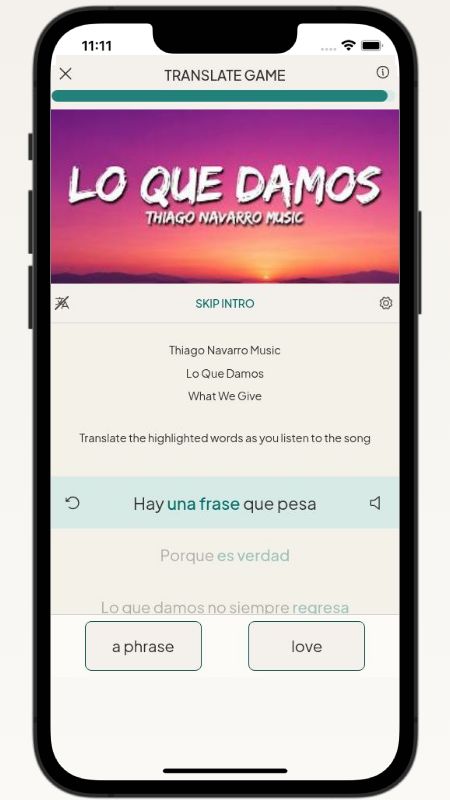
Lo Que Damos Lyrics in English by Thiago Navarro Music
Irrepetibles describes people or things that can never be exactly reproduced, emphasizing their one-of-a-kind nature. In the song, the phrase "somos reemplazables, pero irrepetibles" creates a memorable contrast: someone else may take our place, but nobody can truly be the same person we are.
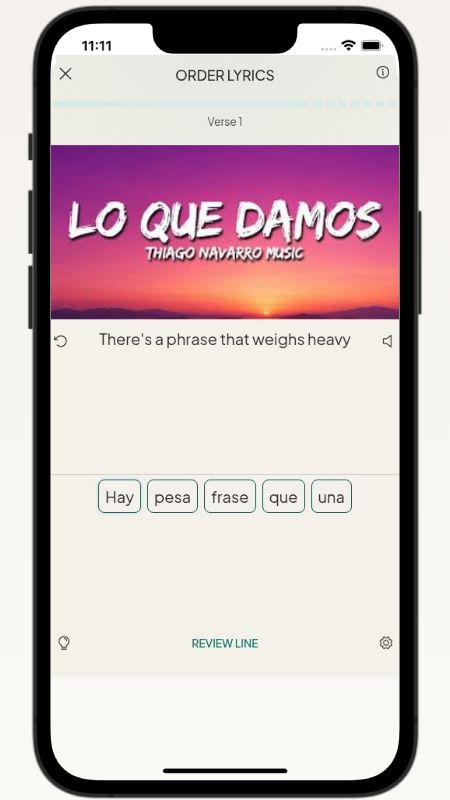
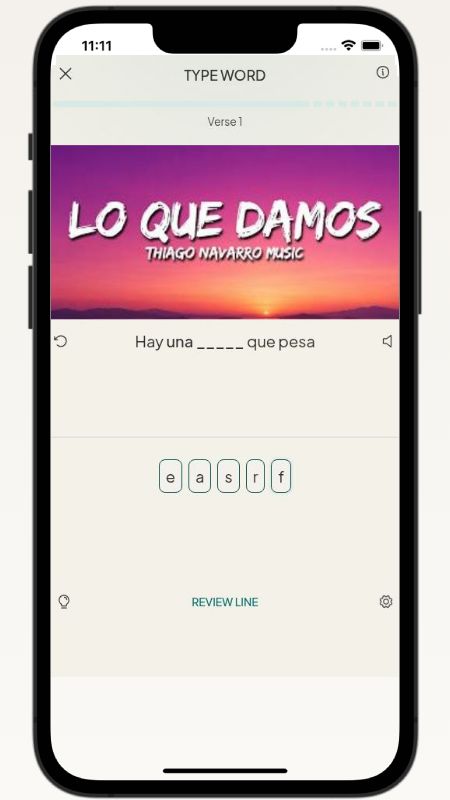
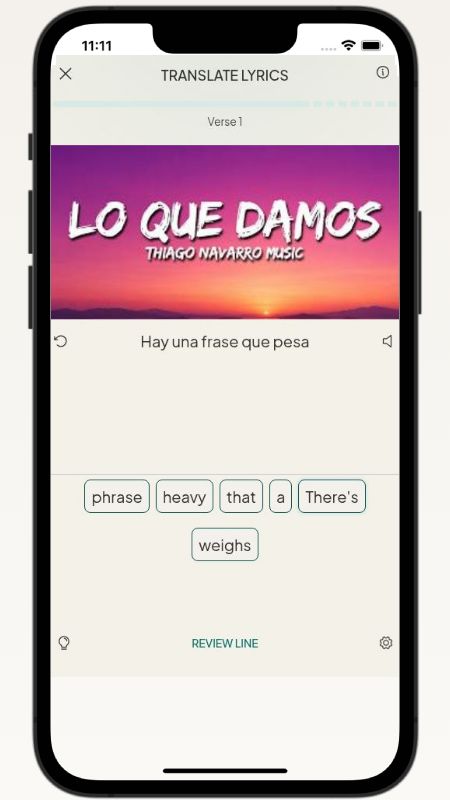
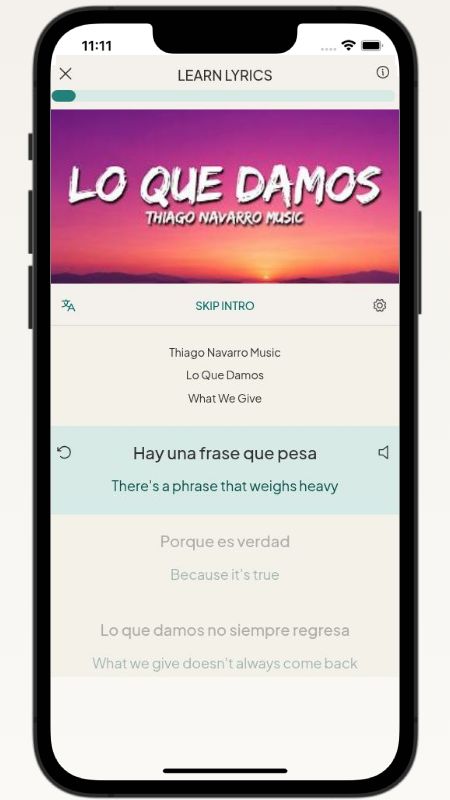
The whole song hangs on one sentence it calls heavy: "Lo que damos no siempre regresa" [What we give doesn't always come back], followed by the twist "Siempre es lo que somos" [It's always what we are]. So giving isn't a trade here. It's a description of who you are, whether anyone pays you back or not. Thiago Navarro then lists the people he likes: those who love "sin ruido" [without noise], who ask for love "dándolo primero" [by giving it first], and who don't brag about what they feel "Pero lo demuestra en silencio" [But show it in silence].
The best advice is very concrete: surround yourself with someone proud "De decir tu nombre en voz alta" [To say your name out loud], because some people "te quiere / Pero no te honra" [love you / But don't honour you]. That split between querer and honrar is worth learning. There's a neat line too: "Porque somos reemplazables / Pero irrepetibles" [Because we're replaceable / But one of a kind]. And love, he says, isn't who shows up, it's who stays "Cuando ya no hay magia" [When there's no magic anymore]. The ending is blunt and a bit preachy, but kind: if they don't come back, "Era para enseñarte" [It was there to teach you].