Cabana Lyrics in English by Irama
Ubriaca means 'drunk' and specifically refers to a female. It's an interesting word because it immediately sets a scene and mood for the song, hinting at a night of revelry and perhaps blurred lines.
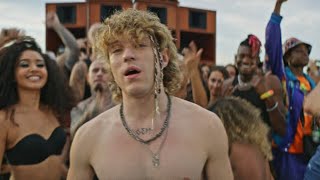
In the context of the song, the singer describes a woman who is 'ubriaca' and smiling, dancing behind a cigarette's smoke. This word choice is key to painting a vivid picture of a carefree, intoxicating encounter at 'Cabana'.
"Cabana" is about a night that keeps circling the same person. She is barely there — "Ubriaca, mi sorridi appena" (Drunk, you barely smile at me), "Nascosta dietro il fumo di una sigaretta" (Hidden behind the smoke of a cigarette) — and Irama can only watch her across a crowded floor while the room drops away: "Mentre tutto intorno rallenta, il rumore si ferma" (While everything around slows down, the noise stops).
The chorus turns the word cabana into a place neither of them leaves. Almost every line lands on it — "Dentro i tuoi occhi, cabana" (Inside your eyes, cabana), "Mentre ti spogli, cabana" (While you undress, cabana) — and then says the same thing twice, once about her and once about himself: "E non tornerai, cabana" (And you won't come back, cabana), "E non tornerò" (And I won't come back). The second verse is four bare gerunds, "Ballando / Bevendo / Fumando / Ridendo" (Dancing / Drinking / Smoking / Laughing), a whole night listed as its ingredients. By the end he is still trailing her — "Ti seguo ad ogni passo" (I follow you at every step) — and still asking "Dimmi dove stai andando" (Tell me where you're going).