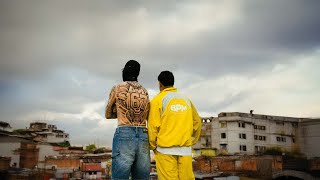
APOCALYPSE Lyrics in English by Farruko
Metrópolis translates to "metropolis" or a large, bustling city. It's a more formal and evocative word than simply "ciudad" (city), suggesting a grander, perhaps more impersonal urban landscape.
In the context of Farruko's song, he uses it to describe a "vacío en la metrópolis" (an emptiness in the metropolis), painting a picture of a modern urban environment that, despite its size and activity, feels hollow and disconnected. This contrast makes the word particularly interesting and memorable.
Farruko opens with a question the song never answers: "¿A dónde, dónde, a dónde / Se fue el amor?" (Where, where, where did love go?). What he finds in its place is a city running on appearances — "Estamos viviendo en el apocalypse vacío en la metrópolis" (We are living in the apocalypse, empty, in the metropolis), where people "saben qué filtro usar / Y qué marcas comprar" (know which filter to use and which brands to buy) and not much else. The verse about families is the most concrete image in it: "Hay familias que tan solo los une la sangre" (There are families that only blood holds together), who "Prefieren frío de calle que calor de hogar" (prefer the cold of the street to the warmth of home).
The last third stops describing the problem and names an answer. "Algún techo gotea, un alma vocea" (Some roof leaks, a soul cries out) comes around twice before the line the whole song has been walking toward — "Solo mi Jesús me alivia" (Only my Jesus relieves me). Then the Spanish drops away entirely and the outro repeats one English phrase to the fade, "I'll keep on giving what's within", before signing off with the album's name, CVRBON VRMOR. It is the same voice and the same reggaetón beat that carried "Pepas", pointed somewhere else.