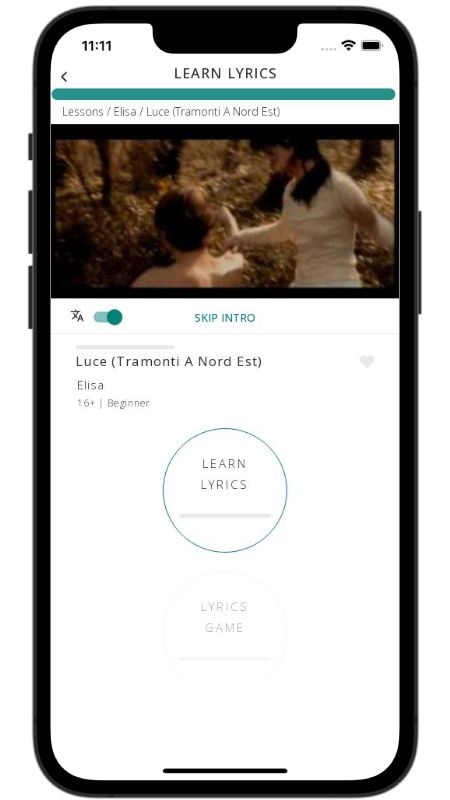
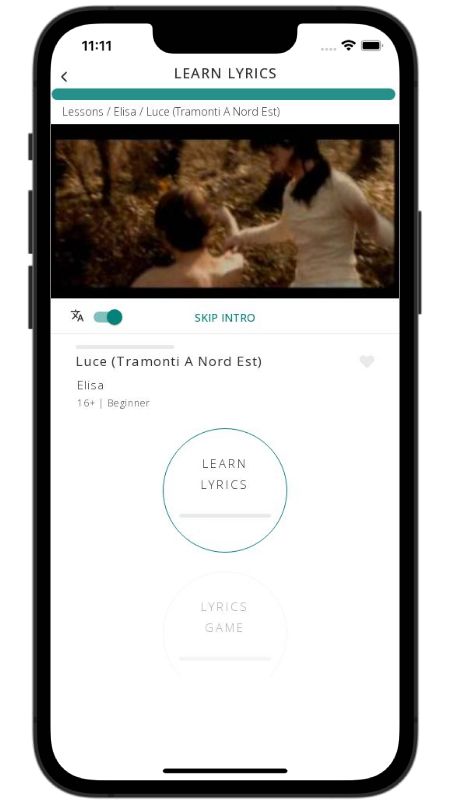
Luce (Tramonti A Nord Est) Lyrics in English by Elisa
Tramonti means 'sunsets'. It's a beautiful and evocative word that immediately paints a picture in the mind, especially when paired with the song's title, "Luce (Tramonti A Nord Est)" (Light - Sunsets in the North East).
In the song, Elisa sings about "luce che cade dagli occhi, sui tramonti della mia terra" (light falling from the eyes, on the sunsets of my land). This poetic imagery connects personal emotion with the natural world, suggesting a profound moment of reflection and beauty. It's a word that is both common enough to be recognizable but also carries a deeper, more artistic weight in this context, making it memorable and enticing.
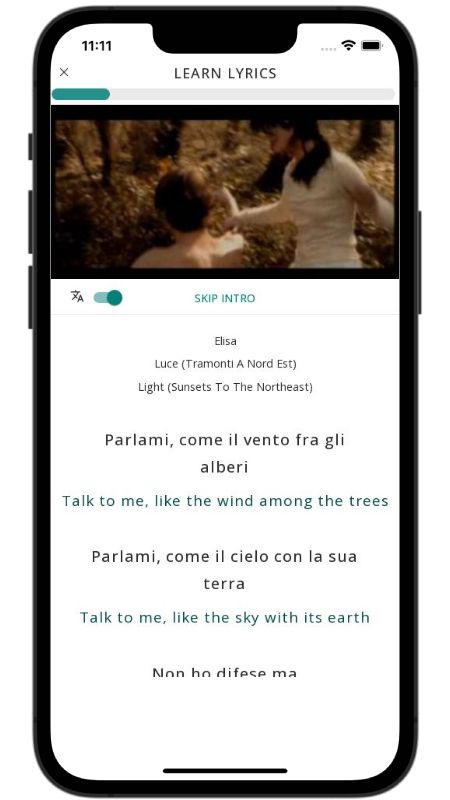
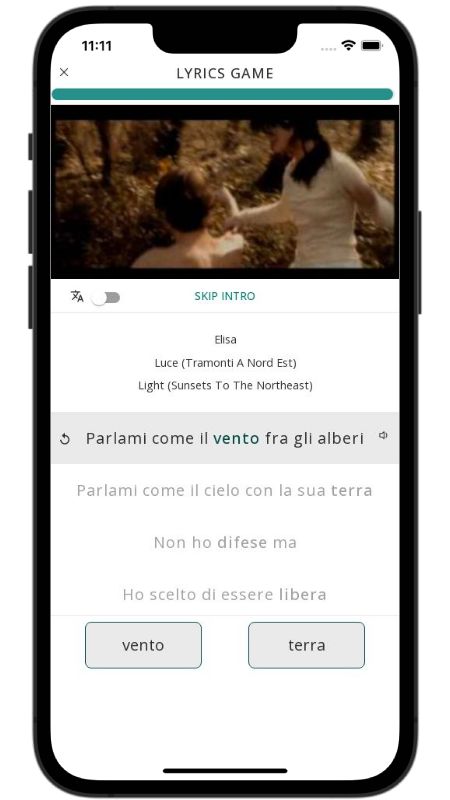
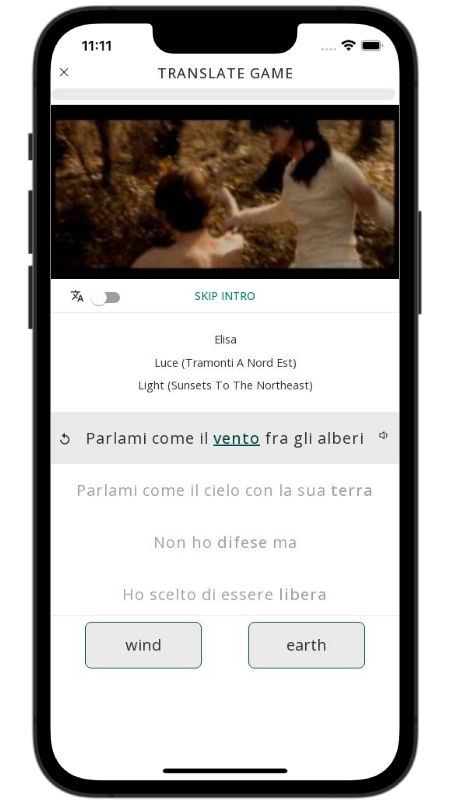
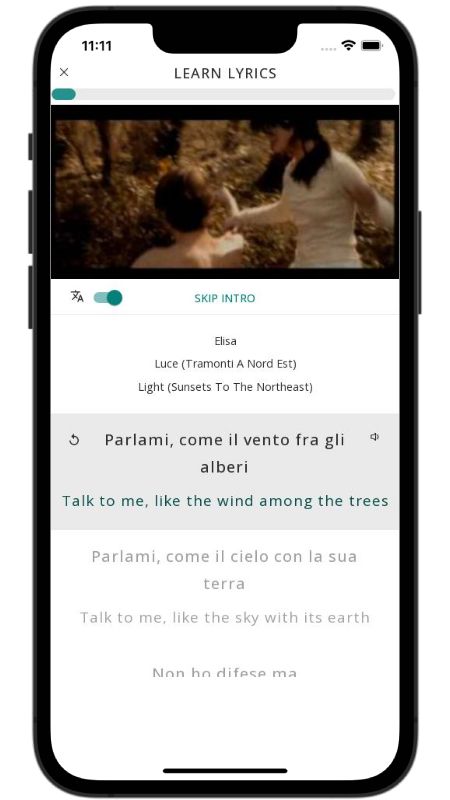
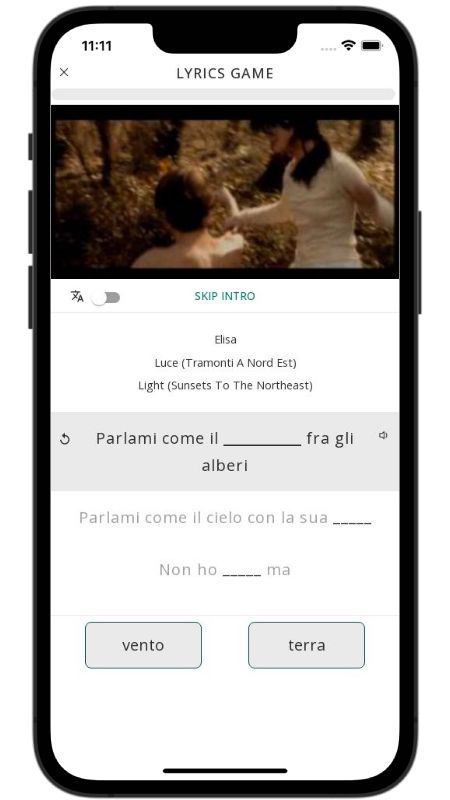
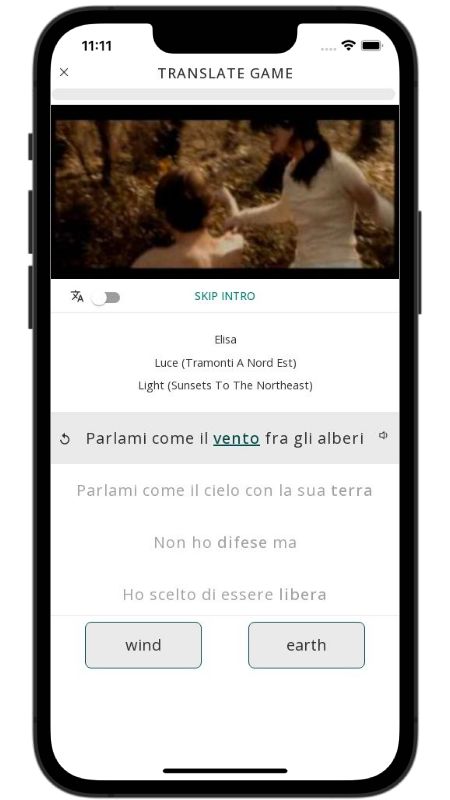
This song feels like a prayer, but not to a person. Elisa is speaking to the universe itself, asking it to talk to her "come il vento fra gli alberi" (like the wind in the trees). She's decided to be completely open and vulnerable, saying "Non ho difese ma / Ho scelto di essere libera" (I have no defenses but / I have chosen to be free). It's a powerful declaration of accepting her own feelings, even the painful ones.
The whole song revolves around this incredible image: "Siamo nella stessa lacrima, come un sole e una stella" (We are in the same tear, like a sun and a star). It suggests that even in sadness, there's a universe of light and connection. A tear isn't just a tear; it's "Luce che cade dagli occhi" (Light that falls from the eyes), illuminating the promise of new days. The song ends with a repeated plea, "Ascoltami" (Listen to me), which finally turns inward to "Ascoltati" (Listen to yourself), as if the answer she was looking for was inside her all along.