Las Piedras Rodantes Lyrics in English by El Tri
Lacra is a strong, somewhat informal word that can mean "scourge," "blemish," or even "lowlife." It is not a word you hear every day in popular music, which makes it feel raw and confrontational.
In the context of the song, the line "yo siempre fui una lacra" (I was always a scourge) is a brutally honest self description, someone openly admitting to a troubled past rather than hiding behind excuses.
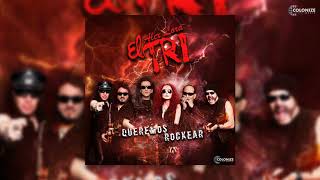
El Tri's "Las piedras rodantes" is a fun, nostalgic rock anthem about two people who shared so much in their youth but drifted apart. They were in the same high school, even, with one being a bit of a troublemaker ("Yo siempre fui una lacra" [I was always a scoundrel]) and the other a star student ("Y tu eras del cuadro de honor" [And you were on the honor roll]). Despite their different paths, they shared the same sky, hopes, time, and even love and pain.
The song's central idea, "Las piedras rodando se encuentran" [Rolling stones meet], suggests that no matter how far apart they go, fate will bring them back together. It's a hopeful, slightly mischievous message, as the singer tells their former companion, "No hagas nada malo que no hiciera yo" [Don't do anything bad that I wouldn't do]. It's a classic rock and roll sentiment: live life, make mistakes, and trust that some connections are meant to last.