Oceano Lyrics in English by Djavan
Deságua comes from the verb desaguar, meaning "to flow into" or "to empty into," often referring to a river flowing into a larger body of water. It's a vivid and somewhat poetic verb not commonly found in everyday conversation.
In this song, Djavan uses it beautifully in the line "Você deságua em mim, e eu, oceano" (You flow into me, and I, the ocean). This metaphor powerfully conveys the idea of a lover completely immersing themselves into the singer, who in turn becomes vast and all-encompassing like an ocean. It's a unique and deeply romantic image.
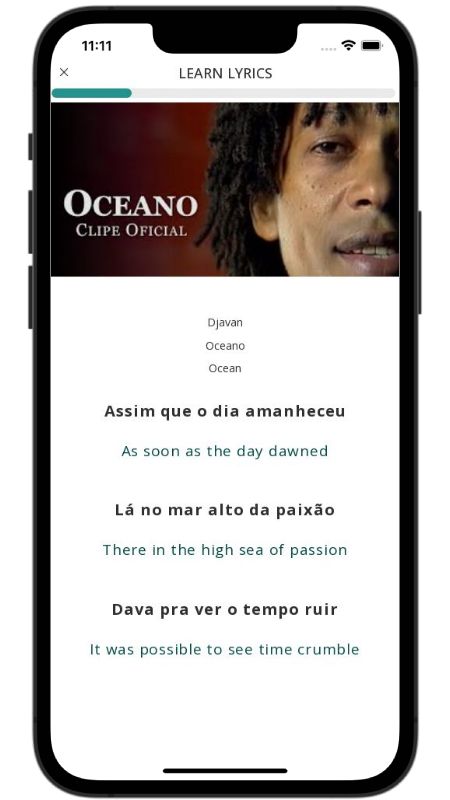
Feel the sunrise glimmering over Brazil’s endless coastline. In Oceano, Djavan turns the sea into a spellbinding metaphor for love. The song opens at dawn in “o mar alto da paixão” (the high sea of passion), where time seems to crumble without the beloved. Every wave carries both beauty and loneliness. Life, growth, even the ticking of the clock—all of it halts when that special person is absent, leaving the singer shipwrecked in solitude.
Yet hope surfaces with every swell. Djavan pleads for the lover’s return so they can “deságua em mim, e eu, oceano” (flow into me, and I into the ocean). Love may feel like a desert full of fears, but when the two reunite, their waters merge into something boundless and life-giving. The song celebrates an all-consuming connection: only together can they make the world move again, turning pain into a vast, shimmering expanse of joy.