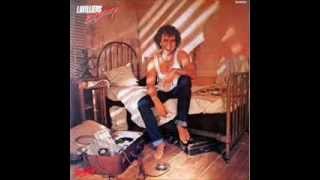
Bon Pour La Casse Lyrics in English by Bernard Lavilliers
Casse literally means 'breakage' or 'scrap'. It's a versatile word that can refer to something broken, a junkyard, or even a 'break' in a more abstract sense.
In the song title "Bon Pour La Casse" (Good for the Scrap Heap), it evokes a sense of being discarded or deemed useless, reflecting the song's themes of disillusionment and being cast aside by society or a corporate system. It's a poignant and evocative word that captures the song's critical tone.
Bernard Lavilliers's "Bon pour la casse" drops us right into a scene of corporate disillusionment. Our narrator is at the top, "sur le carreau supérieur même très supérieurs" [on the upper floor, even very upper], feeling like a big shot, number two in the "tour sidère à Nanterre" [dizzying tower in Nanterre]. But that feeling doesn't last. He's quickly told "cinq ans dégage" [five years, get out] and finds himself in an office where someone tells him to "considérée votre position" [consider your position].
It's a blunt, almost cold descent from power. He's been "descendu par les actionnaires, oublié au carton" [brought down by the shareholders, forgotten in a box]. He tries to ask questions, but "personne ne répond" [no one answers]. The silence is deafening, and he's left to ponder his fate, feeling like he's going in circles. The song ends with him watching the tower disappear, a stark image of his sudden irrelevance. It's a pretty sharp take on how quickly things can change in the corporate world, isn't it?