Mon Amour Lyrics in English by Slimane
Supplie comes from the verb supplier, meaning "to beg" or "to plead". It’s an intensely emotional word that conveys a sense of desperation and humility, much stronger than simply asking for something.
In the lyric "je t'en supplie" (I beg of you), Slimane is at his most vulnerable, pleading for his love to return. This single word encapsulates the song's entire mood of passionate, heart-wrenching appeal, making it a powerful addition to your French vocabulary.
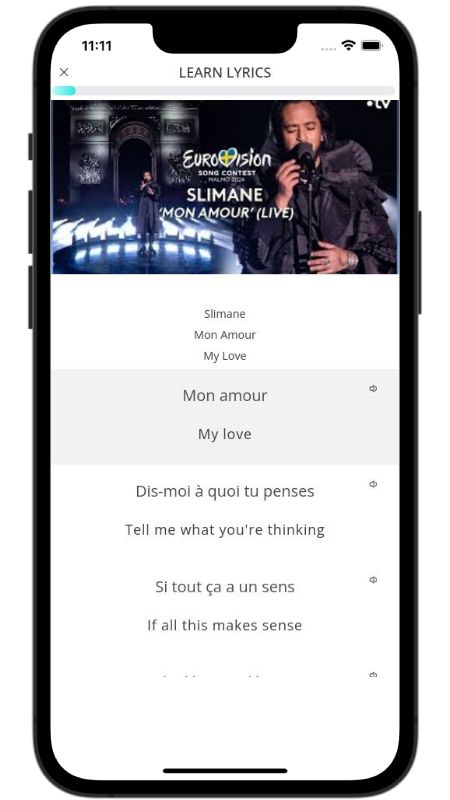
Slimane lays all his cards on the table in this desperate pop ballad. He is stuck in a loop, replaying an old romance in his head: "J'rejoue la scène, mais c'est toujours la même fin qui recommence" ("I replay the scene, but it's always the same ending starting over"). He reminisces about their first date ("Du premier rendez-vous? C'était beau, c'était fou" / "The first date? It was beautiful, it was crazy"), and he begs his ex to return to the French capital with "Allez, reviens à Paris" ("Come on, come back to Paris"). He makes wild promises, claiming he would put an ocean into fire ("Un océan dans le feu") or do the impossible if they just ask.
At the heart of the track is a blunt, frantic question: "Est-ce que tu m'aimes ou pas?" ("Do you love me or not?"). Slimane knows he looks foolish for waiting around. He even admits it outright with "C'est bête, je sais" ("It's silly, I know"). Yet, he promises to wait wherever they say ("Dis-moi l'endroit, je t'attendrai" / "Tell me the place, I'll wait for you"), clinging to hope even if they never show up.