ILHA Lyrics in English by Luan Santana
Peita is the colloquial present-tense form of peitar, a Brazilian verb that literally means “to push your chest out” and figuratively means to confront something boldly.
In the line “Primeiro a gente peita / Depois a gente aceita,” Luan Santana says “First we confront it, then we accept it,” describing the brave first reaction to heartbreak. Because it’s vivid, slangy, and rarely taught in textbooks, peita is a memorable word to add to your Portuguese toolkit.
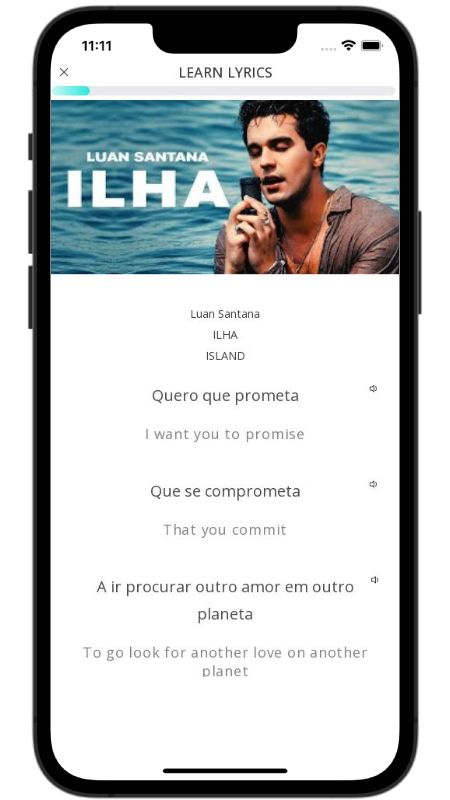
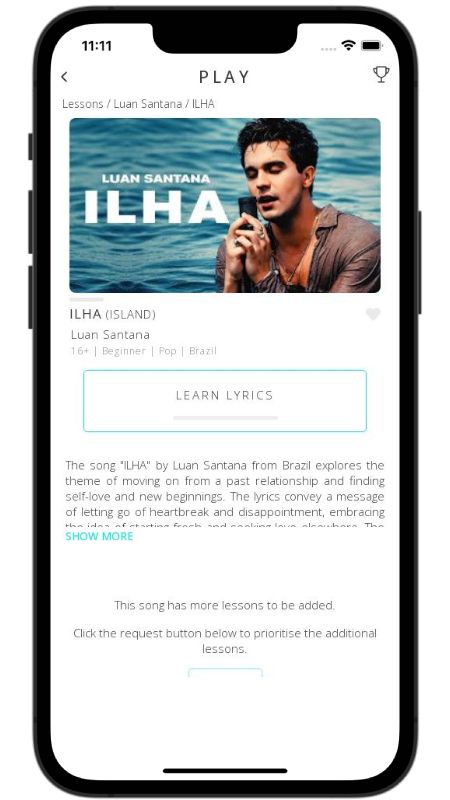
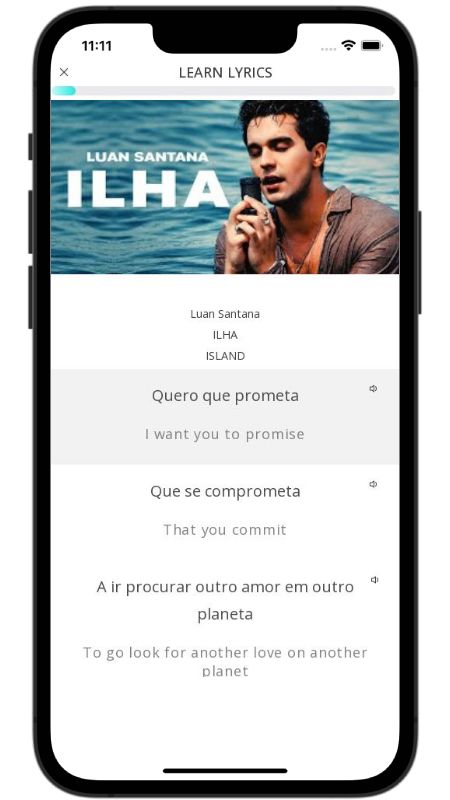
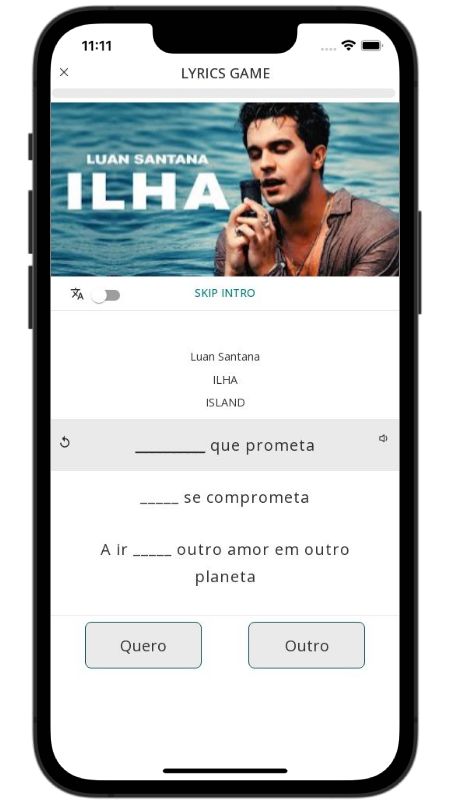
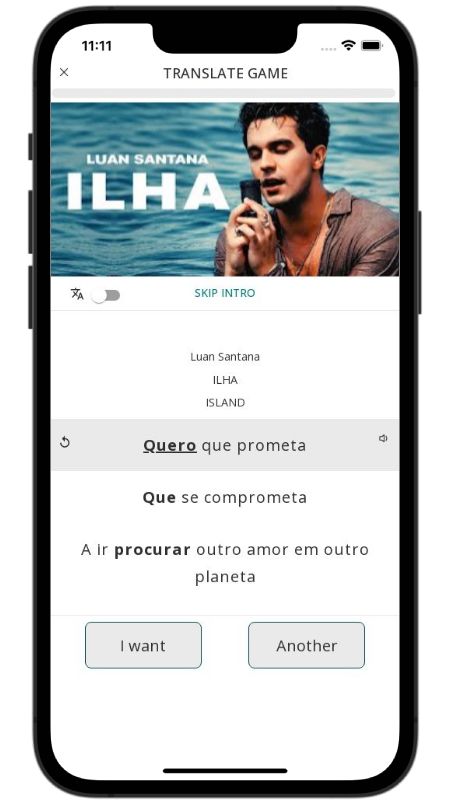
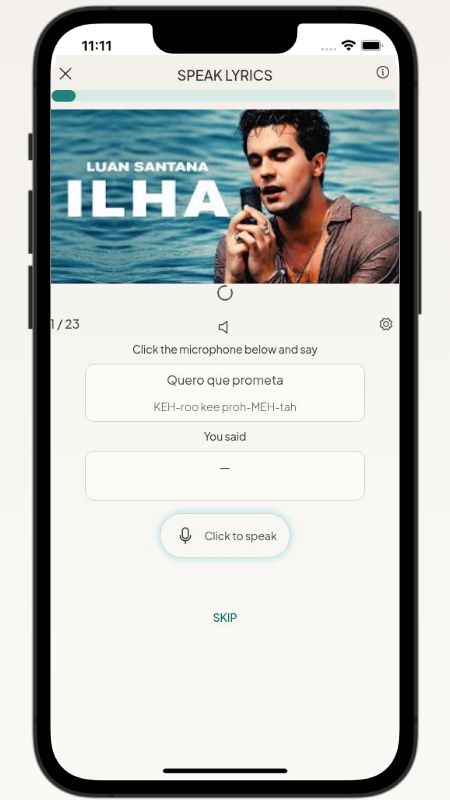
Brazilian sertanejo star Luan Santana begins this track with an extreme breakup request: he wants his ex to promise to look for their next romance on another planet ("procurar outro amor em outro planeta"). It sounds dramatic, but he admits why right away. He cannot bear the thought of running into them at a bar table, laughing while kissing someone new ("Rindo à toa enquanto outra boca te beija"). Rather than staying stuck in endless drama, he decides to swallow his own heart so he can love himself from the inside ("Vou engolir meu coração / Pra me amar por dentro"). To move past the jealousy, he uses great everyday Portuguese phrasing: "Primeiro a gente peita, depois a gente aceita" (First we confront it, then we accept it). The verb peitar literally means to bump chests or face up to a fight, showing that getting over someone starts with confrontation before real acceptance kicks in.
From there, the track turns into a story of personal rescue. Santana shrugs off past mistakes to focus on the present, recognizing the emotional rollercoaster of romance where "Cê vai pro céu, volta pro chão" (You go to heaven, you fall back to the ground). The emotional anchor comes with the title image: just when life feels like an open ocean pulling you under to drown ("afogar no mar da vida"), someone new arrives and becomes an "ilha" (island). It is a warm, hopeful reminder that solid ground always appears eventually, even when you feel completely lost at sea.