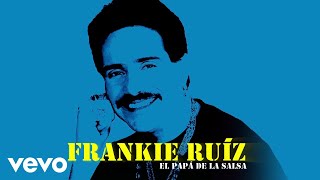
Perdón Señora Lyrics in English by Frankie Ruiz
Dueño literally translates to "owner" or "master." While it might sound possessive today, in the context of classic romantic ballads, it's a powerful way to express absolute devotion and a desire to belong to someone completely.
In this passionate salsa track, the singer confesses a forbidden love, singing "Perdón si en sueños me he atrevido a ser su dueño" (Forgive me if in dreams I have dared to be your master). Using this bold word reveals the depth of his fantasy: to break all social rules and be with the woman he loves, even if it's only in his dreams.
Talk about an awkward confession! In "Perdón Señora", Puerto Rican salsa legend Frankie Ruiz drops a massive bombshell on an older woman. Everyone assumes he is courting her daughter, but he sets the record straight with zero hesitation: "No es por su hija por quien pierdo los sentidos / Por usted es quien no vivo" ("It is not for your daughter that I lose my senses / It is for you that I haven't lived for a while now"). In Spanish, the idiom perder los sentidos literally means losing your physical senses, but here it means she is driving him completely crazy. He even calls the daughter "esa flor joven" ("that young flower"), making it clear he respects the household while totally flipping the script on who he actually desires.
Frankie spends the whole track walking a hilarious tightrope between respectful politeness and shameless flirting. He addresses her formally as usted and señora, repeating "No intento con estas palabras faltarle al respeto" ("I do not intend with these words to disrespect you"). Then, in the very next breath, he admits to dreaming about her: "Perdón si en sueños me he atrevido a ser su dueño" ("Forgive me if in dreams I dared to be your master/owner"). He shrugs off the age gap with "Para el amor no hay edades" ("For love there is no age"), insisting that blaming her for his crush is like blaming daytime because the sun came up. It is bold, dramatic salsa storytelling at its best.