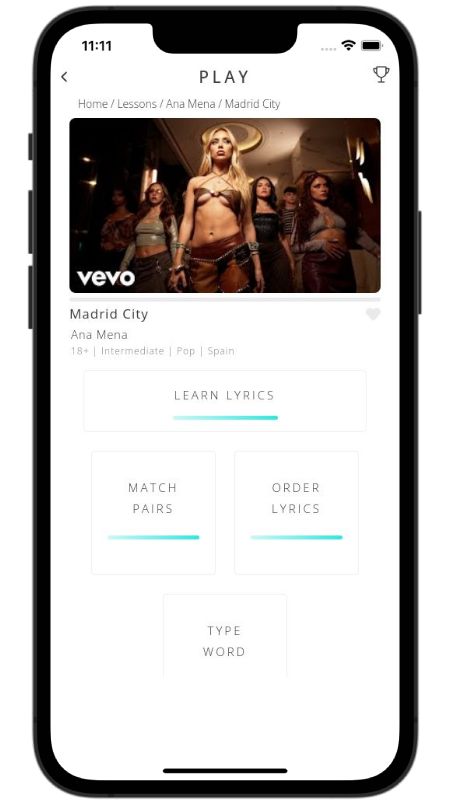
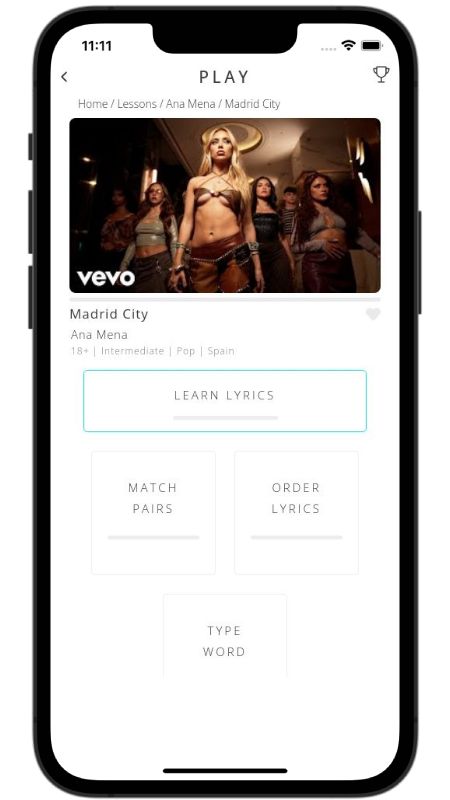
Madrid City Lyrics in English by Ana Mena
Desbesarte is a fascinating and unique word because it's a neologism, meaning it's not a standard word found in the dictionary. It's formed by adding the prefix "des-" (which means "un-" or "dis-") to the verb "besarte" (to kiss you).
In the song, Ana Mena sings, "Puedo besarte, pero no desbesarte," which translates to "I can kiss you, but I can't un-kiss you." This powerful phrase conveys the irreversible nature of a passionate moment and the lasting impact of a relationship, making it incredibly memorable and emotionally resonant.
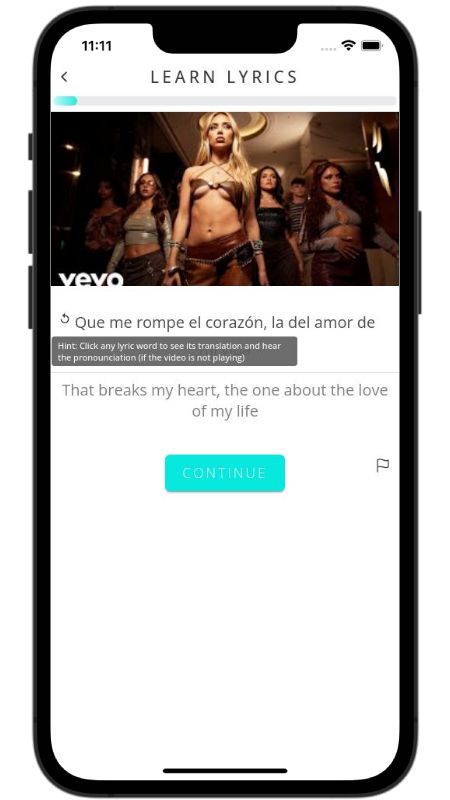
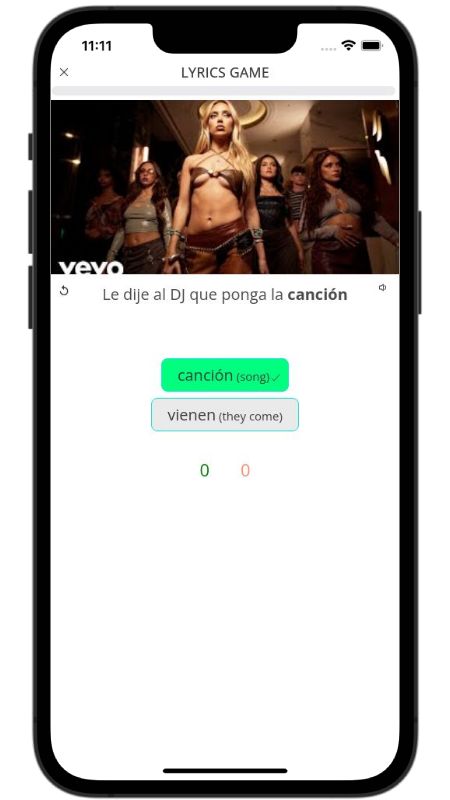
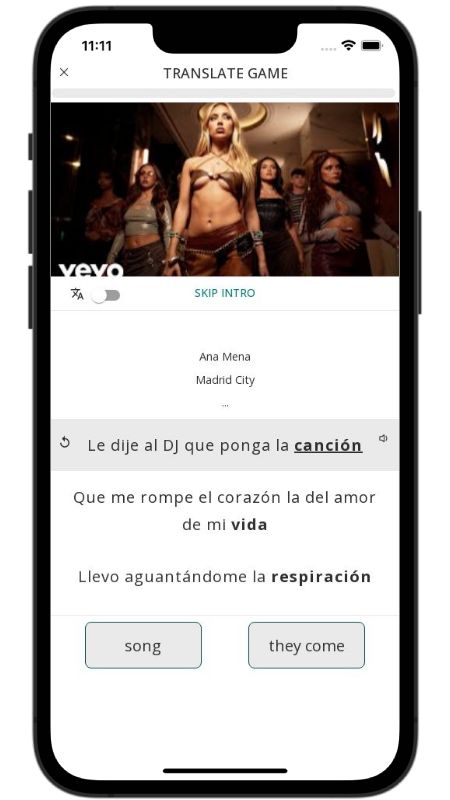
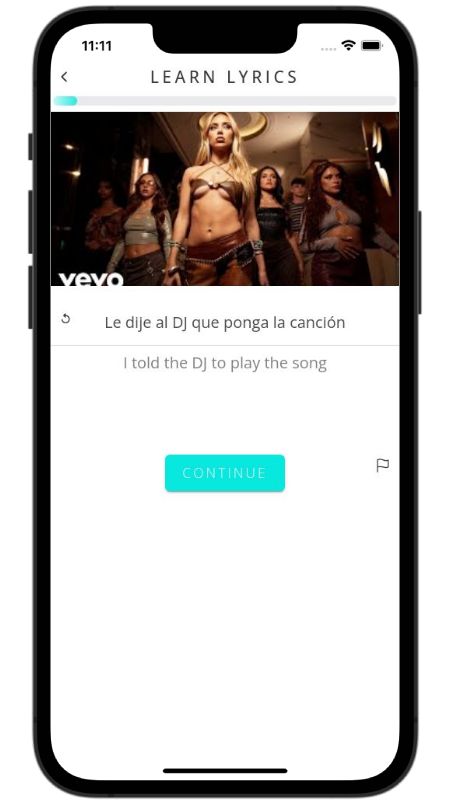
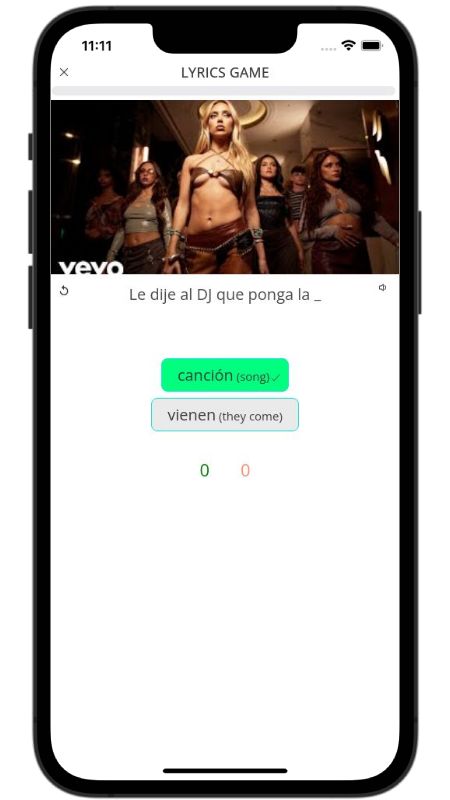
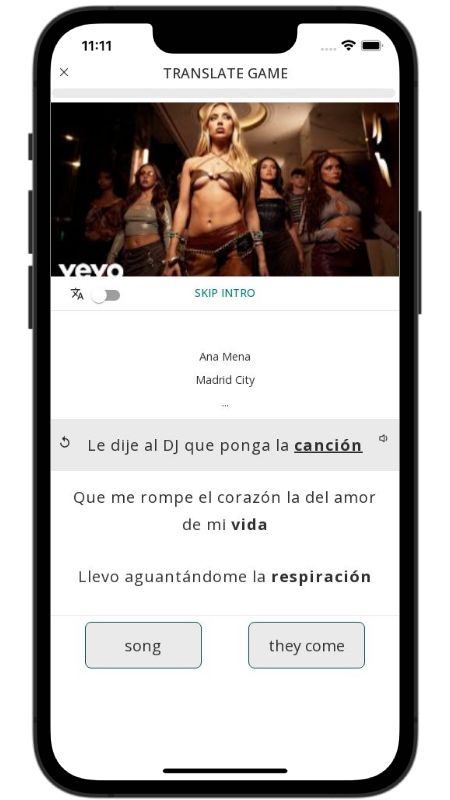
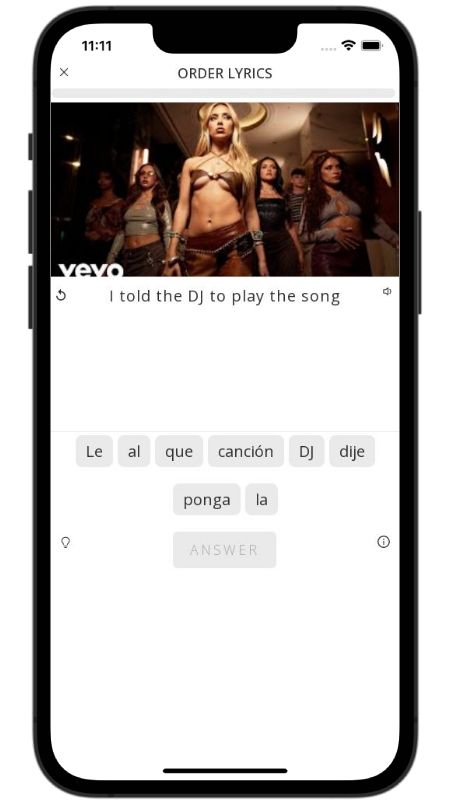
Spanish pop star Ana Mena turns a messy breakup into a late-night club confession in Madrid City. Instead of running away from the pain, she goes straight to the dance floor and begs the DJ to play the one track that ruins her: "Le dije al DJ que ponga la canción / Que me rompe el corazón" ("I told the DJ to play the song that breaks my heart"). She knows the summer fling is finished, yet she cannot simply hit undo. She plays with clever opposites here, pointing out that while she can kiss him, she cannot un-kiss him ("Puedo besarte, pero no desbesarte"), and while she can love him, she cannot un-love him ("no desquererte"). The pain comes with blunt frustration too: "Qué mierda de despedida" ("What a shitty goodbye").
The whole story hinges on an intense romance running out of time. She calls it an "amor de verano en Madrid City" ("summer love in Madrid City"), and admits the capital feels completely useless now: "no me sirve Madrid sin ti" ("Madrid is no use to me without you"). Even though she pretends to be fine on the outside, she asks him for one sweet, slightly dramatic souvenir: "Déjame un beso tuyo en mi cartera" ("Leave one of your kisses in my wallet"), saving it like emergency medicine for nights when she cannot fall asleep.







![Como El Agua [Remix] Lyrics Translation](https://img.youtube.com/vi/GPFj974CM78/mqdefault.jpg)



![A Un Paso De La Luna [Remix] Lyrics Translation](https://img.youtube.com/vi/x1qK76kaBLM/mqdefault.jpg)