Learn English With Hillsong Worship with these 23 Song Recommendations (Full Translations Included!)
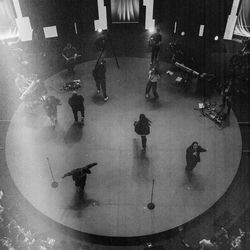
Hillsong Worship es el colectivo de alabanza nacido en la iglesia Hillsong de Sídney, Australia, y una de las voces más escuchadas de la música cristiana contemporánea. No es una banda con formación fija, sino un equipo rotativo de cantantes y compositores que llevan décadas escribiendo canciones pensadas para que las cante una congregación entera.
What A Beautiful Name salió de esa cocina creativa: la escribieron Brooke Ligertwood y Ben Fielding, y es Brooke, cantante y compositora neozelandesa del grupo, quien la lleva con su voz. Se publicó en 2017 dentro del álbum Let There Be Light y se convirtió en un fenómeno mundial. Ganó el Dove Award a Canción del Año, después un Grammy, y ayudó a que Hillsong fuera nombrado Artista Cristiano del Año por Billboard. Hoy se canta cada domingo en decenas de idiomas, así que si quieres aprender inglés con una letra clara y muy repetida, has elegido bien.
¿Listo para aprender inglés con un clásico de la música cristiana contemporánea? What A Beautiful Name, del grupo australiano Hillsong Worship, es un viaje directo al corazón de su fe. La letra arranca viajando hasta el origen del universo con "You were the Word at the beginning" (Tú eras la Palabra en el principio), haciendo referencia a Jesús como la creación misma de Dios. Luego cambia el tono hacia algo mucho más íntimo y personal con una frase bellísima: "You didn't want heaven without us / So Jesus You brought heaven down" (No querías el cielo sin nosotros, así que Jesús trajiste el cielo a la tierra). Es una forma muy poética y directa de explicar la encarnación y el sacrificio, mostrando que el amor pudo más que cualquier falta con "My sin was great Your love was greater" (Mi pecado era grande, tu amor era mayor).
Conforme avanza el tema, la música y las palabras van ganando una fuerza increíble. El estribillo empieza llamando al nombre de Jesús "beautiful" (hermoso), luego pasa a "wonderful" (maravilloso) y termina proclamando que es "powerful" (poderoso). El clímax llega cuando canta sobre la resurrección con imágenes épicas: "Death could not hold You / The veil tore before You" (La muerte no pudo retenerte / El velo se rasgó ante ti) y declara sin rodeos "You have no rival / You have no equal" (No tienes rival / No tienes igual). Es una canción llena de devoción pura, ideal para practicar adjetivos en inglés y notar cómo cambia la intensidad de cada verso.
¿Alguna vez te has preguntado qué valor tienes realmente? De eso va este tema de Hillsong Worship, directo desde Australia. La canción arranca con una pregunta humilde y directa: «Who am I that the highest King would welcome me?» (¿Quién soy yo para que el Rey supremo me dé la bienvenida?). En vez de quedarse en la culpa o en sentirse poca cosa, la letra da un giro total hacia la certeza: pasa de haber sido un esclavo del pecado («slave to sin») a tener una habitación reservada en la casa de Dios («In my Father's house there's a place for me»). La fuerza del tema está en sacudirse las dudas y basar tu valor personal no en lo que tú crees de ti, sino en lo que Él afirma.
Hay un detalle en el estribillo que te va a encantar para aprender inglés: la frase «Who the Son sets free is free indeed» (A quien el Hijo libera, es verdaderamente libre). Ese «indeed» no se usa todos los días en la calle, pero aquí sirve para remarcar que una libertad es total y real, sin letra pequeña. Luego llega el puente y se vuelve súper pegadizo y contundente: «I am chosen, not forsaken» (Soy elegido, no abandonado). No se anda con rodeos. Canta que Dios está a su favor («You are for me, not against me») y repite sin parar «I'm a child of God, yes, I am» (Soy un hijo de Dios, sí, lo soy). Te deja esa sensación de alivio absoluto cuando por fin dejas de pelear contra tus propias inseguridades.
¿Alguna vez sentiste que todo a tu alrededor se salía de control? Este tema de Hillsong Worship va directo a ese momento exacto. La letra plantea una escena donde el viento y las olas golpean con fuerza, pero quien canta decide quedarse firme en su fe: «The wind and waves will come / But I will stay here» (El viento y las olas vendrán / Pero yo me quedaré aquí). No disfraza el miedo ni finge que la tormenta no existe; al contrario, reconoce mares furiosos («though the seas are raging» [aunque los mares estén embravecidos]) y valles oscuros por cruzar («Through valleys I will trust» [A través de los valles confiaré]). Es un diálogo muy íntimo donde el alma necesita recordarse a sí misma que no tiene que resolverlo todo sola.
El corazón del tema está en soltar la necesidad de dominar cada detalle. La frase clave lo resume sin rodeos: «In You I find my rest / You are in control» (En Ti encuentro mi descanso / Tú tienes el control). Me encanta la franqueza de «Hear my heart surrender» (Escucha a mi corazón rendirse), porque en inglés la palabra surrender suele sonar a derrota militar, pero aquí se usa como un acto voluntario de alivio y paz. Al cantar «You are the beginning and the end / More than I can comprehend» (Eres el principio y el fin / Más de lo que puedo comprender), la canción simplemente acepta el misterio de la vida y elige confiar en medio de las dudas.
Prepare-se para uma canção poderosa da banda australiana Hillsong Worship! 'Who You Say I Am' é mais do que uma música, é um hino sobre identidade. Você já se perguntou 'Quem sou eu?' Esta canção explora essa pergunta profunda, mas oferece uma resposta cheia de esperança e força. A letra nos lembra que a nossa identidade não se baseia nos nossos erros nem no que os outros pensam, e sim em quem Deus diz que somos: escolhidos, amados e, acima de tudo, filhos de Deus.
A música narra uma jornada de transformação, saindo da escravidão do pecado para a liberdade total. Com frases como 'Quem o Filho liberta, livre de fato é', a canção celebra a redenção e a graça que nos acolhe. É um lembrete reconfortante de que temos um lugar seguro na 'casa do Pai'. Ao cantar junto, você não vai apenas praticar o seu português: vai também fazer uma declaração poderosa sobre o seu valor e o seu lugar no mundo.
¿Te imaginas un Nombre tan poderoso que aplana montañas, abre caminos en el mar y hace caer a gigantes? En “That’s The Power”, la australiana Hillsong Worship celebra precisamente esa fuerza imparable que, según la letra, se libera cuando se menciona a Jesús. Con imágenes dignas de una superproducción bíblica – mares que se abren, Goliat de rodillas, cadenas que se deshacen – la canción pinta un cuadro vibrante de fe audaz y esperanza desbordante.
El estribillo repite que “solo con pronunciar Su Nombre” ocurren milagros: sanidad, libertad y victorias sobre cualquier enemigo interior o exterior. La idea central es que el mismo poder que resucitó a Jesús sigue disponible hoy para quien se atreva a creer, rezar y alabar con valentía. En pocas palabras, este tema es un himno de confianza absoluta en un Dios que no cambia, que aún realiza prodigios y que invita al oyente a caminar con la cabeza en alto, sabiendo que no existe fuerza más grande que el Nombre de Jesús.
Avustralyalı Hillsong Worship'in bu ilahisi, kim olduğumuzu sorguladığımız o anlar için harika bir hatırlatma. Şarkı, "Who am I that the highest King / Would welcome me?" (En Yüce Kral'ın beni kabul edeceği ben kimim ki?) gibi mütevazı bir soruyla başlıyor. Şarkının devamı ise bu soruya güçlü bir cevap veriyor: kimliğimizin başkalarının ne düşündüğüne veya kendi güvensizliklerimize değil, Tanrı'nın bize kim olduğumuzu söylediğine dayandığını anlatıyor. Bu, kendinden emin bir şekilde "I'm a child of God / Yes, I am" (Ben Tanrı'nın bir çocuğuyum / Evet, öyleyim) diye ilan etme şarkısı.
Şarkı, günaha köle olmaktan ve kaybolmaktan bahsederek karanlık bir yerden başlıyor, ancak sonra İsa'nın kurtarışıyla gelen özgürlüğü kutluyor. "Who the Son sets free / Is free indeed" (Oğul'un özgür kıldığı gerçekten özgürdür) dizesi, bu mesajın tam kalbinde yer alıyor. Sadece affedilmekle kalmıyor, aynı zamanda ait olduğumuz bir yer olduğunu da öğreniyoruz: "In my Father's house / There's a place for me" (Babamın evinde / Benim için bir yer var). Şarkının nakaratı, bu yeni kimliği pekiştiren güçlü bir beyan: "I am chosen / Not forsaken / I am who You say I am" (Ben seçilmişim / Terk edilmemişim / Ben Senin söylediğin kişiyim).
Esta canción de la banda australiana Hillsong es como una conversación íntima y sincera con Dios. El cantante se presenta con total honestidad, pidiendo un cambio profundo desde el interior: 'Let my heart be changed, renewed' [Que mi corazón sea cambiado, renovado]. No se trata de ignorar las debilidades, sino de reconocerlas y confiar en que una fuerza mayor puede transformarlas. La letra expresa una fe total en que esas flaquezas 'Will be stripped away / By the power of Your love' [Serán despojadas / Por el poder de Tu amor].
La canción utiliza una metáfora muy potente para describir esta transformación. Después de pedir cercanía y protección con la frase 'Hold me close / Let Your love surround me' [Abrázame fuerte / Deja que tu amor me rodee], el cantante imagina un futuro lleno de fuerza. Describe cómo, mientras espera, se elevará como un águila: 'I'll rise up like the eagle / And I will soar with You' [Me levantaré como el águila / Y volaré contigo]. Es una imagen de libertad y poder que no proviene de uno mismo, sino de dejarse guiar por el Espíritu.
Esta canção do grupo australiano Hillsong Worship é uma poderosa declaração de fé que nos leva numa viagem pela história de Jesus. Começa no início de tudo, com a letra a afirmar: "You were the Word at the beginning" [Você era o Verbo no princípio], identificando Jesus como uma figura divina desde sempre. A canção explora quem Ele é, o seu propósito e o poder contido no seu nome.
O foco principal é o amor e o sacrifício. A letra diz de forma muito direta que "You didn't want heaven without us / So Jesus You brought heaven down" [Você não queria o céu sem nós / Então Jesus, Você trouxe o céu até nós]. A canção celebra a vitória de Jesus sobre a morte com versos como "Death could not hold You" [A morte não pôde Te segurar], culminando numa declaração da sua soberania eterna. É uma música de adoração que cresce em intensidade, começando com a beleza do nome de Jesus, passando pela sua maravilha e terminando com o seu poder inigualável.
Цей трек від австралійського гурту Hillsong Worship починається з простого і дуже чесного запитання: «Who am I that the highest King would welcome me?» («Хто я такий, щоб Найвищий Цар вітав мене?»). Тут немає складної філософії — лише подив людини, яка почувалася загубленою, але отримала любов і прощення. Головна думка пісні тримається на біблійній ідеї свободи та усиновлення: автор переконаний, що коли Ісус помер за нього, рабство гріха закінчилося. Слова «Who the Son sets free is free indeed» («Кого Син звільняє, той справді вільний») звучать у приспіві як тверда впевненість, а фраза «free indeed» якраз і означає «по-справжньому вільний», без жодних «але».
Найбільше мені подобається, як у бриджі розвіюються будь-які сумніви щодо власної цінності. Рядки «I am chosen, not forsaken» («Я вибраний, а не покинутий») та «You are for me, not against me» («Ти за мене, а не проти мене») нагадують особисту декларацію. Пісня стверджує, що в Божому домі завжди є місце для кожного («In my Father's house there's a place for me»), тому людина визначає себе не через власні помилки, а через фразу «I am who You say I am» («Я є тим, ким Ти мене називаєш»). Справжній гімн надії, який легко запам'ятовується і додає сил.
“In Control”, da banda australiana Hillsong Worship, é mais do que uma canção, é um poderoso hino de confiança para os momentos difíceis. Já se sentiu no meio de uma tempestade, com ventos e ondas por todos os lados? A letra fala exatamente sobre isso! Ela nos convida a lembrar que, mesmo quando os mares da vida estão bravios e tudo parece caótico, existe uma força maior no comando. É uma mensagem poderosa de que a paz não vem da ausência de problemas, mas da certeza de que Alguém soberano tem o controle de tudo.
A canção é um belo exercício de entrega e fé. Expressões como “erguer as mãos aos céus” e “render o coração” são gestos de adoração que demonstram uma confiança total. O cantor declara que, apesar das dificuldades e dos “vales” que atravessa, ele escolhe confiar. É um lembrete para dizermos à nossa própria alma: Ei, acalme-se! O Senhor de tudo vai acalmar a tempestade. No final, a música nos deixa com uma sensação de descanso e segurança, reforçando a ideia de que em Deus encontramos o nosso refúgio e, acima de tudo, Ele está no controle.
Цей трек від австралійського гурту Hillsong Worship повністю зосереджений на одній ідеї: силі та красі імені Ісуса. Пісня починається майже як біблійна розповідь про створення світу: «You were the Word at the beginning» («Ти був Словом на початку»). Але найцікавіше розгортається далі, коли велич переходить у щирі людські почуття через рядок «You didn't want heaven without us / So Jesus You brought heaven down» («Ти не хотів неба без нас, тому, Ісусе, приніс небо на землю»). Текст показує просту математику благодаті: людський гріх був великим, але любов виявилася сильнішою («My sin was great Your love was greater»).
Далі музика нарощує темп і переходить до прямої перемоги над смертю. Тут з'являється сильний образ розірваної завіси у храмі: «The veil tore before You» («Завіса розірвалася перед Тобою»). У фіналі пісня перетворюється на справжній переможний гімн, де чітко сказано: суперників у цього імені просто немає («You have no rival / You have no equal» — «У Тебе немає суперників, Тобі немає рівних»). Слухати це варто заради того, як поетапно змінюється головний епітет імені: воно починається як «beautiful» (прекрасне), переходить у «wonderful» (дивовижне) і вибухає словом «powerful» (могутнє).
Ha egy olyan dalt keresel, ami szép fokozatosan építkezik és a végére teljesen elsodor az ereje, a Hillsong Worship ausztrál dicsőítő csapat dala pont ilyen. A szöveg az elején még csendes és lírai: felidézi a teremtést azzal a sorral, hogy „You were the Word at the beginning” (Te voltál az Ige kezdetben), és a nevet gyönyörűnek nevezi („What a beautiful Name it is” - Milyen gyönyörű név ez). Különösen közvetlen és bátor az a gondolat, hogy „You didn't want heaven without us / So Jesus You brought heaven down” (Nem akartad a mennyet nélkülünk / Ezért Jézus, lehoztad a mennyet a földre) – ez a sor nagyon egyszerű szavakkal fejezi ki a megváltás lényegét.
A dal közepe felé aztán hatalmasat vált a hangulat és a tempó. A költői képek helyét a diadalmas képek veszik át: „Death could not hold You / The veil tore before You” (A halál nem tarthatott fogva / A kárpit kettészakadt előtted). Innen a szöveg már nem csak szépnek vagy csodálatosnak (wonderful), hanem megállíthatatlannak nevezi ezt a nevet: „What a powerful Name it is” (Milyen hatalmas név ez). A csúcspont a refrén utáni vallomás, miszerint „You have no rival / You have no equal” (Nincs vetélytársad / Nincs hozzád fogható), ami az egyik legütősebb és legtisztább megfogalmazása az abszolút győzelemnek.
Hast du dich jemals gefragt, wer du wirklich bist? Die australische Gruppe Hillsong Worship stellt in diesem Lied genau diese Frage: „Who am I that the highest King / Would welcome me?“ (Wer bin ich, dass der höchste König mich willkommen heißen würde?). Die Antwort, die sie finden, ist eine kraftvolle Hymne über Identität und Zugehörigkeit. Es geht darum, alte Selbstbilder loszulassen, wie zum Beispiel „I was a slave to sin“ (Ich war ein Sklave der Sünde), und eine neue Wahrheit anzunehmen.
Der Kern des Liedes ist eine einfache, aber tiefgreifende Erklärung: Unsere Identität wird nicht durch unsere Fehler oder unsere Vergangenheit bestimmt, sondern durch das, was Gott über uns sagt. Der Refrain verkündet dies mit großer Überzeugung: „I am chosen / Not forsaken / I am who You say I am“ (Ich bin auserwählt / Nicht verlassen / Ich bin der, der du sagst, dass ich bin). Es ist ein Lied, das von Befreiung und einem neuen Zuhause singt, mit der Gewissheit, dass „In my Father's house / There's a place for me“ (Im Haus meines Vaters / gibt es einen Platz für mich).
Prepare-se para uma canção que é uma verdadeira declaração de fé! "The Power Of Your Love", do grupo australiano Hillsong Worship, é mais do que uma música; é uma oração poderosa. A letra fala sobre se aproximar de Deus com um coração aberto, pedindo para ser transformado e renovado pela Sua graça. É um reconhecimento sincero das nossas fraquezas, mas com a certeza de que elas podem ser superadas pela força do amor divino.
A canção nos convida a buscar proximidade e a nos sentirmos seguros nesse amor. A imagem de subir como uma águia é o ponto alto, simbolizando a liberdade e a força que encontramos quando nos deixamos guiar. É uma mensagem de esperança que nos ensina a esperar, confiar e voar alto, impulsionados por um poder maior. Uma melodia perfeita para refletir e se inspirar!
Questa canzone del collettivo australiano Hillsong Worship è una potentissima dichiarazione di identità. Il testo inizia con una domanda piena di stupore: "Who am I that the highest King / Would welcome me?" (Chi sono io perché il Re più alto / mi accogliesse?). Racconta una trasformazione profonda, dal sentirsi persi e "a slave to sin" (schiavo del peccato) a scoprire una nuova realtà basata sull'amore e il sacrificio di Gesù.
Il ritornello è un'affermazione forte e chiara: "Who the Son sets free / Is free indeed" (Chi il Figlio libera / è libero davvero). La canzone costruisce questa nuova identità pezzo per pezzo. Non si tratta più di essere definiti dai propri errori, ma di essere "chosen / Not forsaken" (scelto / non abbandonato). L'idea centrale è che la nostra vera identità si trova in ciò che Dio dice di noi. È un promemoria che c'è sempre un posto per noi nella "Father's house" (casa del Padre), un luogo di appartenenza e sicurezza.
Эта песня от Hillsong Worship, христианской группы из Австралии, — мощное заявление о том, кем мы являемся в глазах Бога. Она начинается с вопроса, который, возможно, каждый задавал себе: «Who am I that the highest King would welcome me?» (Кто я такой, чтобы величайший Царь принял меня?). Песня говорит о том, что раньше мы были потеряны, как «a slave to sin» (раб греха), но всё изменилось.
Главная идея песни — это обретение новой личности и свободы. Вместо того чтобы определять себя своими ошибками, песня призывает нас принять то, что Бог говорит о нас. Припев провозглашает эту истину: «Who the Son sets free is free indeed / I'm a child of God, yes I am» (Кого Сын освободит, тот истинно свободен / Я дитя Божье, да, это так). Это не просто слова, а декларация веры в то, что мы «chosen, not forsaken» (избраны, не покинуты) и что у нас есть своё место в «my Father's house» (доме моего Отца).
Esta canção dos australianos Hillsong Worship é um hino poderoso sobre identidade. Começa com uma pergunta que todos nós já fizemos: 'Who am I that the highest King / Would welcome me?' [Quem sou eu para que o Rei supremo / Me acolhesse?]. Em vez de ficar na dúvida, a letra responde com uma força incrível, contrastando um passado de perdição, 'I was lost' [Eu estava perdido], com a liberdade encontrada em Jesus. A mensagem é clara e direta: 'Who the Son sets free / Is free indeed' [Quem o Filho liberta / É livre de verdade].
O refrão é uma declaração de quem somos agora. A canção afirma repetidamente a nossa nova identidade: 'I'm a child of God / Yes, I am' [Sou um filho de Deus / Sim, eu sou]. Esta não é uma esperança vaga; é uma certeza que nos dá um lugar de pertença, como diz a letra: 'In my Father's house / There's a place for me' [Na casa do meu Pai / Há um lugar para mim]. A canção constrói esta ideia até à afirmação final, que é o seu coração: a nossa identidade não é definida pelos nossos erros, mas por Deus. 'I am chosen / Not forsaken... I am who You say I am' [Sou escolhido / Não abandonado... Eu sou quem Tu dizes que eu sou].
Hillsong Worship aus Australien hat mit „What A Beautiful Name“ eine Hymne geschrieben, die direkt ins Herz geht. Der Song ist wie eine Reise, die die Bedeutung von Jesus Christus erkundet, und das auf eine wirklich kraftvolle Weise. Es beginnt ganz am Anfang, mit der Zeile „You were the Word at the beginning“ (Du warst das Wort am Anfang), was seine ewige Natur betont. Dann geht es darum, wie er den Himmel auf die Erde gebracht hat, weil „You didn't want heaven without us“ (Du wolltest den Himmel nicht ohne uns). Das ist eine so schöne Vorstellung, oder?
Aber der Song steigert sich noch. Der Mittelteil ist pure Energie und feiert den Sieg von Jesus über den Tod. Zeilen wie „Death could not hold You / The veil tore before You“ (Der Tod konnte dich nicht halten / Der Vorhang zerriss vor dir) beschreiben seine Auferstehung. Der Song erklärt dann, warum sein Name so mächtig ist: „You have no rival / You have no equal“ (Du hast keinen Rivalen / Du hast niemanden, der dir gleich ist). Es ist ein Lied voller Hoffnung und Stärke, das die Schönheit, das Wunder und die Kraft im Namen von Jesus feiert.
Cette chanson du collectif australien Hillsong Worship est un véritable hymne qui raconte une histoire, celle de Jésus, du début à la fin. Elle commence avant même la création, avec les paroles "You were the Word at the beginning" [Tu étais la Parole au commencement], une référence à l'idée que Jésus existait avec Dieu depuis toujours. La chanson explique ensuite pourquoi il est venu sur Terre : "You didn't want heaven without us / So Jesus You brought heaven down" [Tu ne voulais pas le paradis sans nous / Alors Jésus, tu as fait descendre le paradis]. C'est une déclaration d'amour immense, affirmant que son amour était plus grand que le péché et que plus rien ne peut nous séparer de lui.
Le cœur de la chanson célèbre la victoire de Jésus. Les paroles décrivent sa résurrection avec force : "Death could not hold You / The veil tore before You" [La mort n'a pas pu te retenir / Le voile s'est déchiré devant toi]. C'est une image puissante de sa victoire sur la mort. La chanson se termine par une proclamation de sa souveraineté éternelle, affirmant qu'il n'a ni rival, ni égal : "You have no rival / You have no equal / Now and forever God You reign" [Tu n'as pas de rival / Tu n'as pas d'égal / Maintenant et pour toujours, Dieu, tu règnes]. Chaque refrain renforce cette idée en qualifiant son nom de beau, merveilleux, puis finalement de puissant.
Questa canzone del collettivo australiano Hillsong Worship è un vero e proprio viaggio alla scoperta del nome di Gesù. Inizia dall'eternità, descrivendolo come "You were the Word at the beginning" (Tu eri la Parola all'inizio), presente fin dalla creazione. Il testo esplora la bellezza di questo nome, collegandola alla sua natura divina e al suo ruolo nella creazione del mondo. È un nome che non ha paragoni, come dice il ritornello: "What a beautiful Name it is / Nothing compares to this" (Che nome meraviglioso è / Niente è paragonabile a questo).
Poi, la canzone cambia prospettiva e si concentra su ciò che Gesù ha fatto. Il testo esprime un concetto molto forte: "You didn't want heaven without us / So Jesus You brought heaven down" (Non volevi il paradiso senza di noi / Così Gesù hai portato il paradiso giù). Da qui, la canzone cresce in intensità, celebrando la sua vittoria sulla morte con versi potentissimi come "Death could not hold You / The veil tore before You" (La morte non ha potuto trattenerti / Il velo si è squarciato davanti a te). Il finale è una dichiarazione della sua sovranità assoluta: "You have no rival / You have no equal / Now and forever God You reign" (Non hai rivali / Non hai eguali / Ora e per sempre Dio Tu regni). È un inno che passa dalla contemplazione all'adorazione potente.
Эта песня от австралийской группы Hillsong Worship — настоящий гимн поклонения, который стал известен по всему миру. Она рассказывает историю Иисуса, раскрывая силу и красоту Его имени шаг за шагом.
Всё начинается с сотворения мира, где Он был «Словом в начале» (You were the Word at the beginning). Песня говорит о том, что Он не захотел быть на небесах без нас и поэтому «спустил рай на землю» (brought heaven down). Любовь оказалась сильнее греха, и это делает Его имя не просто красивым, а чудесным. Затем песня переходит к самому драматичному моменту: победе над смертью. Строки «Смерть не смогла удержать Тебя / Завеса разорвалась пред Тобой» (Death could not hold You / The veil tore before You) провозглашают Его воскресение и триумф. В конце песня заявляет о Его абсолютной власти: «У Тебя нет соперника / У Тебя нет равных» (You have no rival / You have no equal), называя Его имя самым могущественным из всех.
Тази песен на австралийската група Hillsong Worship започва направо от сътворението с думите "You were the Word at the beginning" (Ти беше Словото в началото). Текстът разказва история за любов, която сваля небето на земята: "You didn't want heaven without us, so Jesus You brought heaven down" (Ти не искаше небето без нас, затова Исусе, ти свали небето долу). Градусът се покачва бързо, като името на Исус минава през три конкретни определения: започва като "beautiful" (красиво), става "wonderful" (прекрасно/чудно) и накрая избухва в "powerful" (могъщо).
Кулминацията идва с възкресението, където текстът става директен и победоносен: "Death could not hold You" (Смъртта не можа да те задържи) и "The veil tore before You" (Завесата се раздра пред теб). Образът с разкъсаната завеса е буквална препратка към библейския момент в храма при разпятието. Песента завършва с пълно господство, заявявайки "You have no rival, You have no equal" (Нямаш съперник, нямаш равен), където всяко съмнение просто изчезва пред силата на това име.
Avstralska zasedba Hillsong Worship v tej skladbi gradi postopno zgodbo o Jezusovem imenu, pri čemer skozi verze spreminja en sam ključni pridevnik: ime se najprej začne kot lepo (beautiful), nadaljuje kot čudovito (wonderful) in na koncu preraste v močno (powerful). Besedilo odpira pogled na začetek stvarstva z vrstico "You were the Word at the beginning" (Ti si bil Beseda na začetku), ki se navezuje na krščansko razumevanje Jezusa kot večne Božje Besede. Zelo neposredna in topla je tudi misel "You didn't want heaven without us / So Jesus You brought heaven down" (Nisi želel nebes brez nas / Zato si, Jezus, prinesel nebesa k nam), ki preprosto opiše razlog za Njegov prihod na Zemljo.
Vrhunec pesmi se zgodi, ko se tempo dvigne in besedilo preide na temo vstajenja ter zmage nad smrtjo: "Death could not hold You / The veil tore before You" (Smrt Te ni mogla zadržati / Zastor se je pretrgal pred Tabo). Tu se pojavi izraz the veil tore, ki označuje pretrganje tempeljskega zastora in konec ločenosti med Bogom in ljudmi. Z vrsticami, kot je "You have no rival / You have no equal" (Nimaš tekmeca / Nimaš enakega sebi), pesem odvrže vsak dvom o Njegovi avtoriteti ter zaključi z neustavljivo močjo tega imena.

