Ahora Eh Lyrics in English by Manuel Turizo
Rosario con tijeras literally translates to "rosary with scissors". It's a powerful and unique Colombian idiom used to describe a person who is exceptionally malicious or brings very bad luck.
The expression comes from the superstition that cutting a holy object like a rosary is a sacrilegious act that invites evil. In the song, Manuel Turizo sings "Tú me saliste más mala que rosario con tijeras" (You turned out to be more evil than a rosary with scissors), using this vivid metaphor to express his shock at how badly his ex-partner behaved. It's a memorable phrase that offers a fascinating glimpse into regional culture and language.
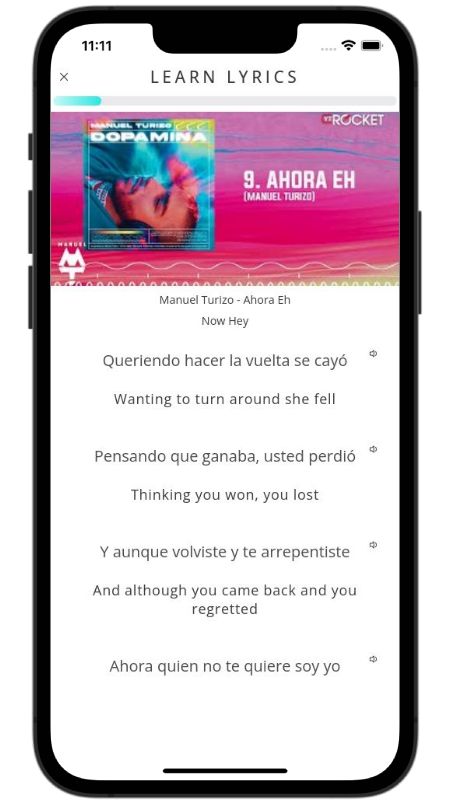
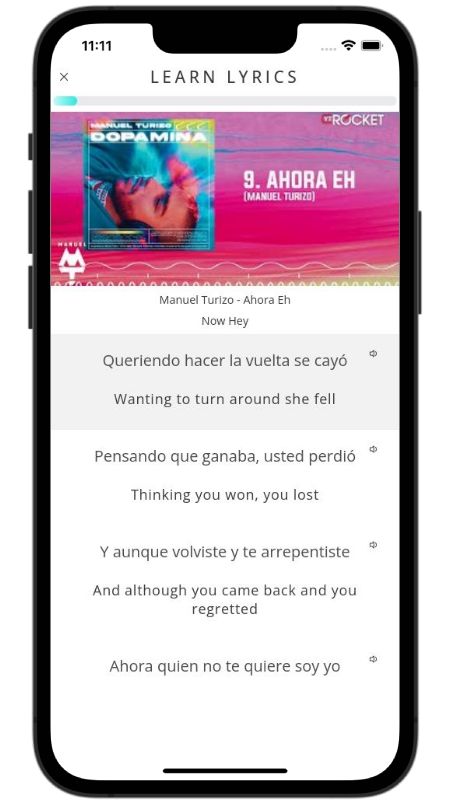
This song is the ultimate 'the tables have turned' anthem! Manuel Turizo is talking to an ex who messed up and now wants him back. She thought she was winning the game, but as he says, "Pensando que ganaba, usted perdió" [Thinking you were winning, you lost]. Now she's back and full of regrets, but it's too late for that.
He's completely over the idea of a relationship with her. When she asks for a serious commitment, he shuts it down immediately: "Ahora es que tú quieres compromiso y conmigo eso no se ve" [And now you want commitment, and you won't see that with me]. He's enjoying his freedom and living a life with "Nada de mala vibra en el ambiente" [No bad vibes in the atmosphere]. He's open to one last night together for old times' sake, but he makes the rules very clear: "Después no me reclames, diciéndome vuelve, bebé" [Afterwards, don't complain to me, telling me 'come back, baby'].