Vinho Branco Lyrics in English by Manu
Suportando comes from the verb suportar, which means to endure, tolerate, or put up with something. While it can sometimes mean 'to support' in the sense of holding something up, in the context of relationships, it strongly implies enduring a difficult situation rather than actively supporting it.
In the song, the line "Nessa relação eu sei que ninguém 'tá amando, só se suportando" (In this relationship, I know no one is loving, just enduring each other) powerfully conveys a sense of resignation and lack of genuine affection. It's a poignant word that highlights the strained nature of the relationship described.
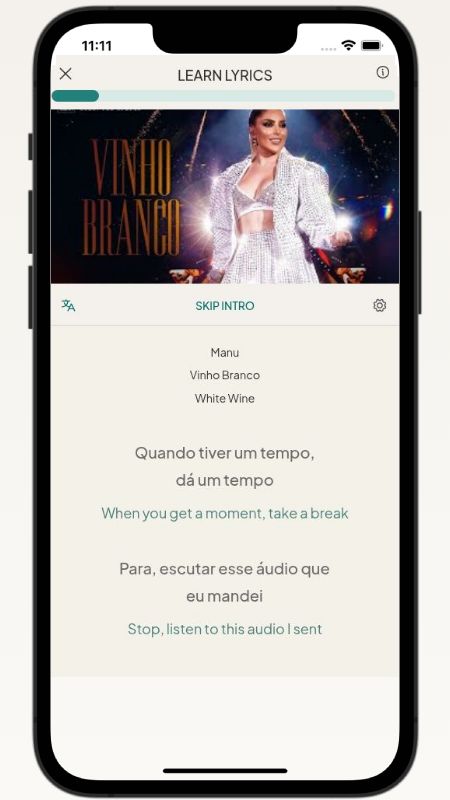
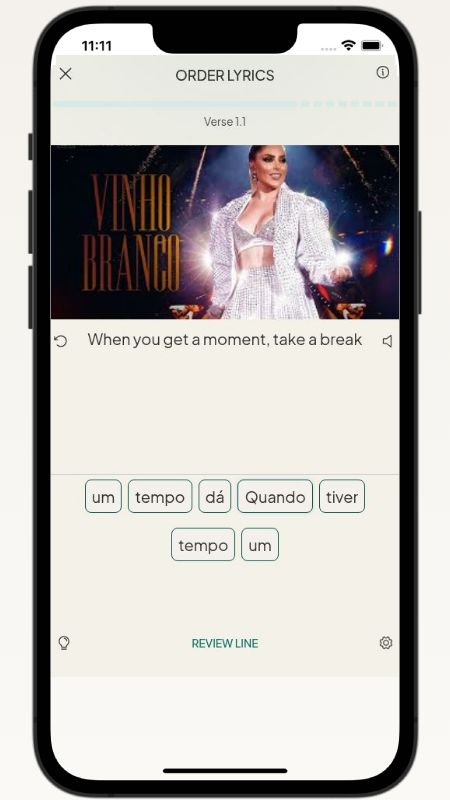
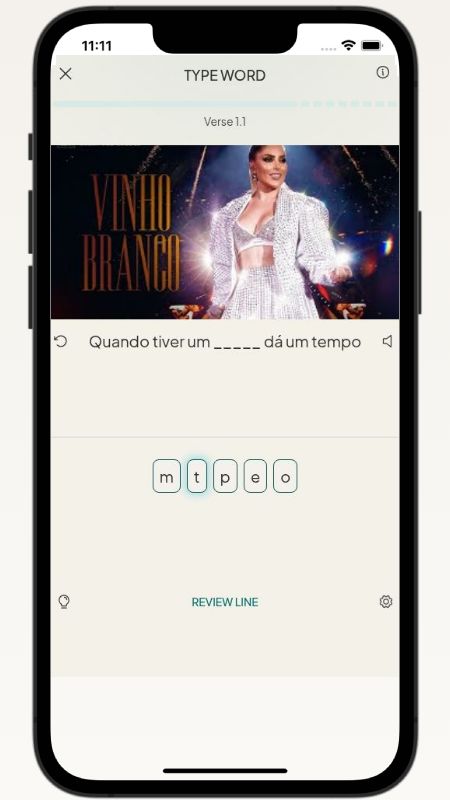
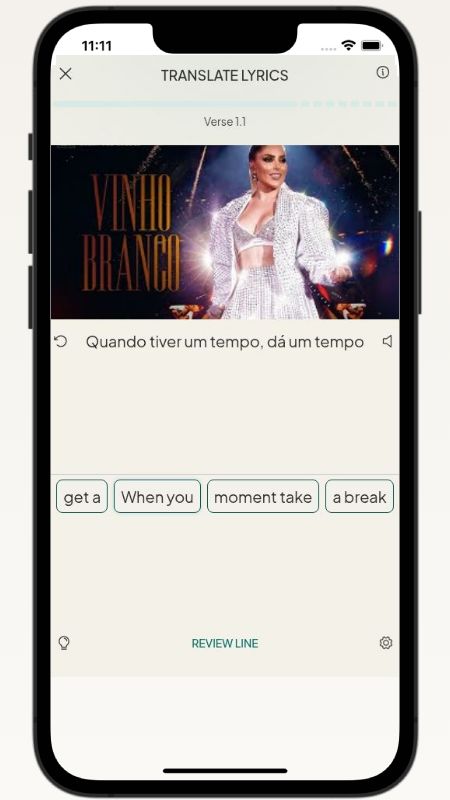
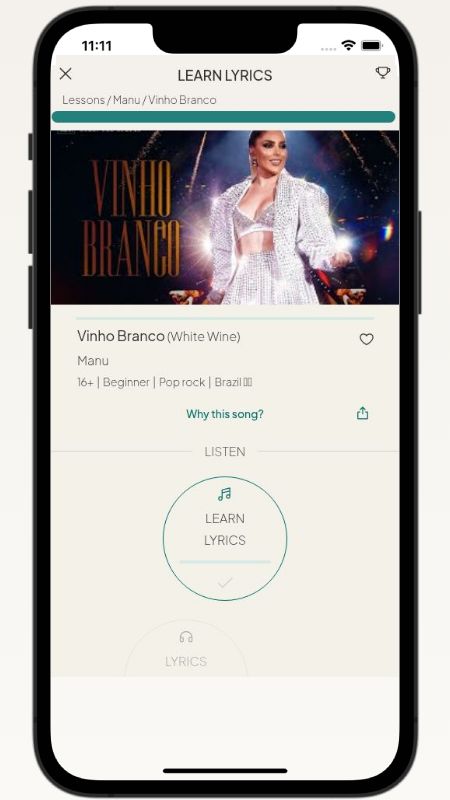
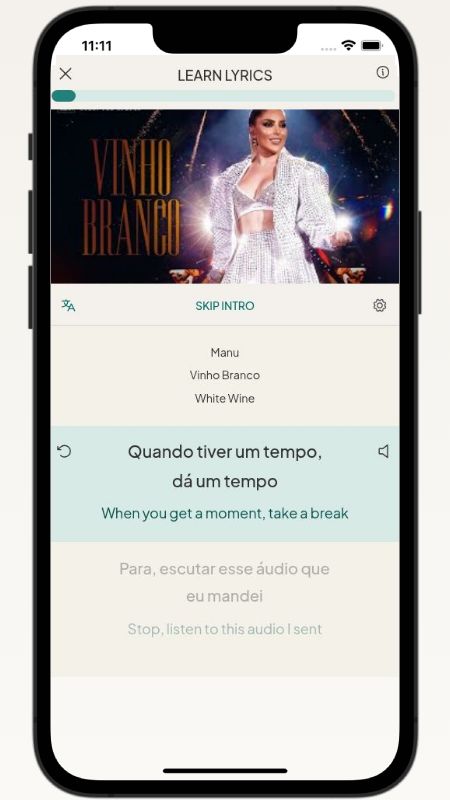
Manu's "Vinho Branco" is a super relatable song about that moment when a little bit of alcohol makes you spill your true feelings. Our singer is sending an audio message, asking for some private time to listen: "Quando tiver um tempo, dá um tempo / Para, escutar esse áudio que eu mandei / Com atenção" [When you have time, take some time / To listen to this audio I sent / With attention]. He's quick to say he doesn't want to cause trouble for the listener or their current relationship, but he blames it all on the "garrafa de vinho branco" [bottle of white wine] in front of him, which makes him remember "nós" [us].
It's pretty bold! He even asks them not to listen to the audio "Perto dela, no viva-voz" [Near her, on speakerphone]. The chorus is a direct confession, repeating "Baby, eu ainda I love tu" [Baby, I still I love you] and expressing a belief that the listener's current relationship isn't about love, but just "se suportando" [tolerating each other]. It's a classic tale of lingering feelings, fueled by a drink, and a hopeful (or maybe a little desperate) plea for a second chance.