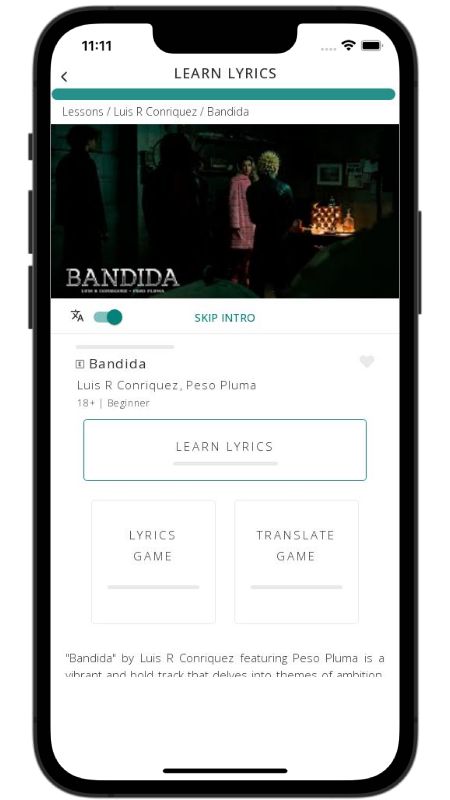
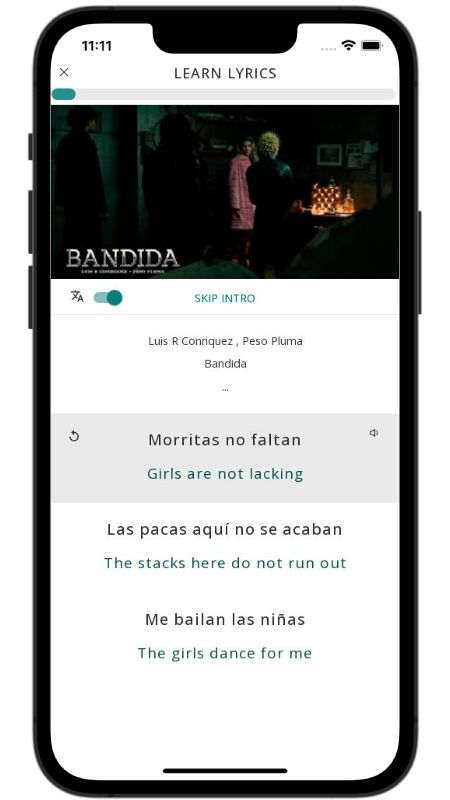
Bandida Lyrics in English by Luis R Conriquez, Peso Pluma
Bandida literally translates to "female bandit" or "outlaw woman". It's a captivating and memorable word that immediately conjures an image of a rebellious, strong, and perhaps dangerous woman.
In the context of this song, it refers to a woman who is bold, independent, and lives by her own rules, often associated with a lavish and illicit lifestyle. It's the title of the song itself, making it the most central and enticing word to understand the song's theme and character.
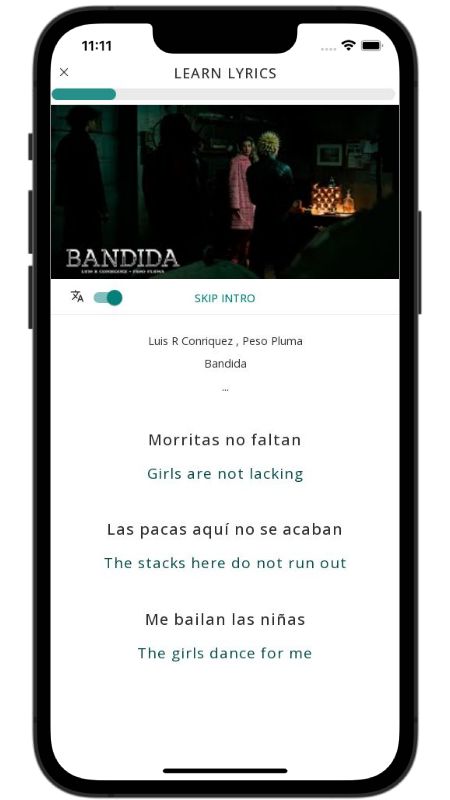
In "Bandida", Mexican corridos star Luis R Conriquez teams up with Peso Pluma to brag about entering the highest tax bracket of the underworld. The track is packed with flashy, unapologetic street slang. Conriquez starts off partying with endless stacks of cash and luxury items, boasting that his luxury Birkin bag is full of "Tusi rosada" (pink cocaine, a popular designer party drug). He claims he enters "modo maldito" (wicked mode) with no fear of consequences, surrounded by armed guards wearing chest rigs and face masks ("pechera y cara tapada"). To flex his success, he tells us that famous people are suddenly his close buddies: "Las celebridades ahora ya son mis camaradas" (Celebrities are my pals now).
Peso Pluma jumps in to keep that reckless energy going, admitting he is on the grind ("Ando en el joseo") and cares about cash way more than his own safety. He compares dodging authorities and moving packages to playing video games with the line "Moviendo los cuadros como en Grand Theft Auto" (Moving the blocks like in Grand Theft Auto). The core hook belongs to the "bandida" (bad girl) blowing up his phone, getting blinded by his diamond Cuban link chain ("Se queda ciega con mi cubana"), while he tells her to send her location ("Pasa la ubi") so he can pull up in a red Rubicon Jeep escorted by an armored motorcade. It is fast, loud, and built on one simple rule: "Disfruto la vida porque un día se acaba" (I enjoy life because one day it ends).