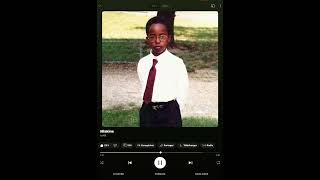
Nazaré Lyrics in English by Luidji
Fardeaux translates to "burdens" or "loads." It's a less common word than its synonyms, making it more impactful and memorable.
In the song, Luidji sings, "Comme libéré de tous mes fardeaux" (As if freed from all my burdens). This word beautifully encapsulates a feeling of release and new beginnings, suggesting a significant emotional journey within the lyrics.
Nazaré is the Portuguese fishing town famous for the biggest rideable waves on the planet, and Luidji turns that into a stand-in for his own career. He opens with "Et j'ai dû quitter le radeau" ("And I had to leave the raft") and "Comme libéré de tous mes fardeaux" ("as if freed from all my burdens"), treating the choice to chase music like paddling out into open water with nothing left to hold onto.
The cost shows up fast. "Ma femme assise sur la plage" ("my wife sitting on the beach") watches him go after "ce genre de vagues" ("this kind of wave") over and over, the phrase repeating like he's trying to talk himself into it. "J'ai sacrifié ma vie pour attraper ce genre de vagues" ("I sacrificed my life to catch this kind of wave") is as close as the song gets to a thesis. He compares starting over to a painter, "Tout redessiner comme Pablo" ("redraw everything like Pablo," a nod to Picasso), as if the only way forward was scrapping the old picture completely. By the end he's fixed on one date, "Le 22 janvier" ("January 22nd"), the day he marks as the turning point.