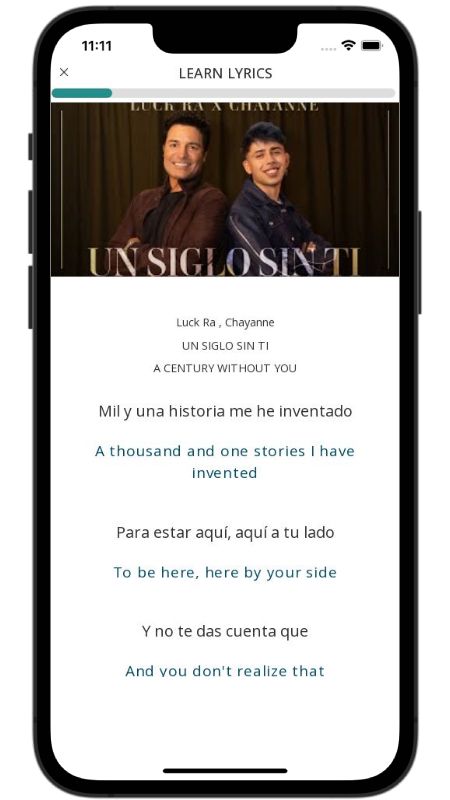
UN SIGLO SIN TI Lyrics in English by Luck Ra, Chayanne
Siglo literally translates to "century". It's a powerful and dramatic word that forms the core of this song's emotional message.
In the title and chorus, the singer laments, "Un día es un siglo sin ti" (A day is a century without you). He uses this hyperbole to express how time feels impossibly slow and empty without his loved one, turning a single day of absence into an eternity of longing.
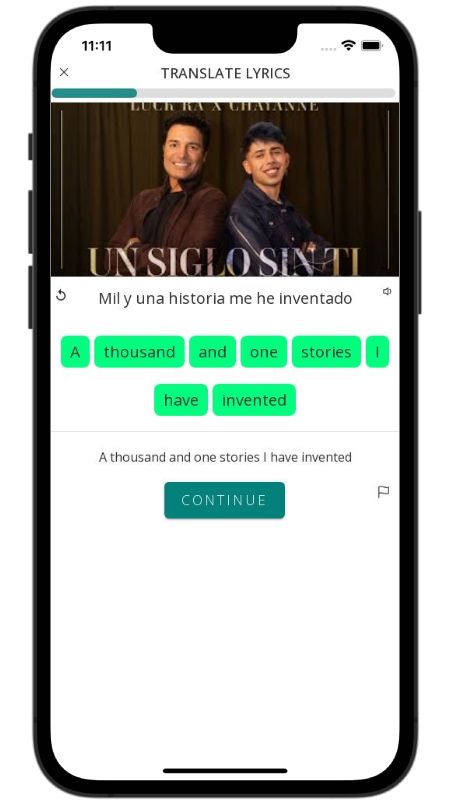
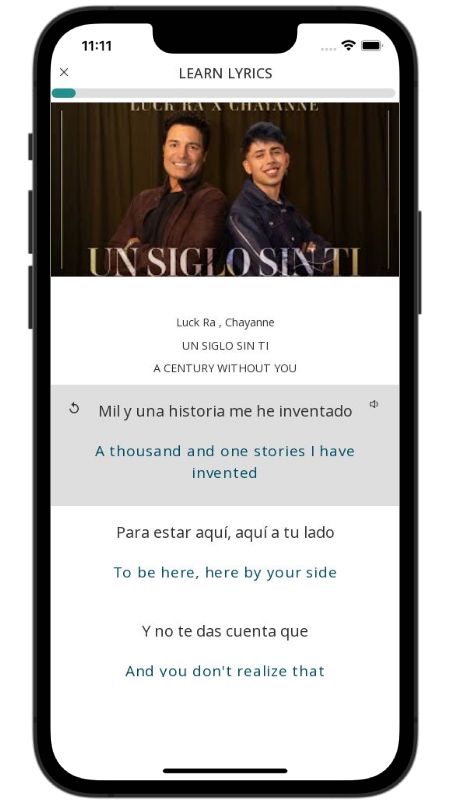
When you mess up big time in love, you have two choices: sulk in private, or shout an apology over a fast, joyful beat so everyone can dance to your regrets. Argentinian artist Luck Ra teams up with Chayanne to transform an all-out plea for forgiveness into pure, bouncy cuarteto energy—complete with an ad-lib shout of "¡Eso! ¡Cuarteto, viejo!" ("That's it! Cuarteto, man!"). The narrator admits he made terrible choices and knows his ex thinks he is hopeless: "Sé que piensas que ya no tengo remedio" ("I know you think I'm a lost cause"). In Spanish, having no remedio means there is simply no cure or fix for your bad habits. Desperate to get her back, he confesses to spinning "mil y una historia" ("a thousand and one stories") just to find an excuse to stand by her side again.
Despite the upbeat tempo, the desperation is hilariously dramatic. Time moves at a crawl when you are dumped, which gives us the title punchline: "Un día es un siglo sin ti" ("One day is a century without you"). He is not playing cool either. He begs her to leave the past behind with "Ya lo que pasó, pasó" ("What happened, happened") and promises that losing her forced him to grow up fast: "Es que no soy el mismo de ayer" ("It's just that I'm not the same person as yesterday"). It is a full-throated, energetic apology with his heart's doors wide open, daring you to dance while someone tries to fix their biggest mistake.