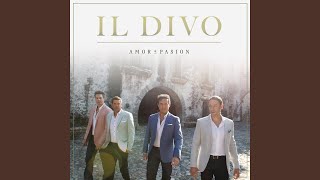
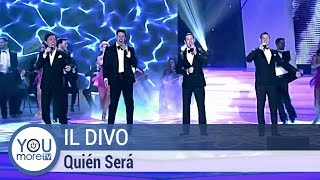
Si Tú Me Amas Lyrics in English by Il Divo
Presentí comes from the verb "presentir," meaning "to sense beforehand" or "to have a premonition" about something before it happens. It describes an intuitive feeling, almost like foreseeing fate, rather than something learned through logic or evidence.
In "Si Tú Me Amas," Il Divo sings "Historia que presentí" ("A story that I sensed"), suggesting the singer somehow knew this love story was coming before it actually unfolded. The word adds a romantic, almost fateful quality to the way the relationship began.
"Si Tú Me Amas" is Il Divo's classic promise-ballad: a vow that love, once found, becomes the singer's whole reason for being. He opens by naming what he's found — "Solo en ti por siempre seré feliz" ("Only in you will I always be happy") — framing happiness itself as something located in another person rather than chased alone.
The hook turns that vow into a conditional so total it barely feels like one: "Si tú me amas yo seré esa esperanza / Que jamás se querra morir" ("If you love me I will be that hope that will never want to die"). It's less a bargain than a surrender — his identity becomes whatever her love asks it to be, and he repeats it as the answer to every verse. By the closing lines, the promise turns physical and full-throated: "Volaré si tú me amas" ("I will fly if you love me"), the kind of soaring, arms-wide declaration Il Divo's operatic-pop sound was built for.