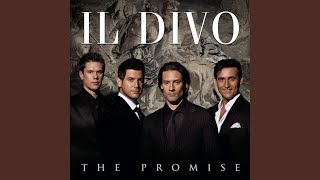
Aquí Esperándote Lyrics in English by Il Divo
Padecer means 'to suffer' or 'to endure'. It's a more formal and intense word than simply 'sufrir', often implying a prolonged or deep suffering, or enduring something difficult.
In "Aquí Esperándote," the singer uses padecer to express the profound pain he feels hearing his beloved's goodbye. He sings, "Oír tu adiós sin cesar aún y me hace padecer," conveying a sense of ongoing, deep emotional torment rather than just a fleeting sadness. This word adds a layer of dramatic intensity to his heartbreak.
Il Divo's "Aquí Esperándote" is a powerful ballad about deep regret and unwavering hope. The singer pushed someone away ("Y sin pensar te alejé" [And without thinking I pushed you away]) and now faces the painful consequences, feeling a profound emptiness that only the return of their love can fill. They're consumed by the thought of their loved one's goodbye, which "me hace padecer" [makes me suffer].
It's a declaration of eternal waiting, with lines like "Ahora y siempre te esperaré" [Now and always I will wait for you] repeated throughout. The singer believes this love is so immense, it's almost eternal ("Si rozo la eternidad" [If I touch eternity]), and they've suffered greatly for their mistake. They even wonder if their persistent hope will ultimately save their love, suggesting a belief in divine intervention: "Comprenderé que existe Dios que me escuchó" [I will understand that God exists who heard me]. It's a really intense and emotional song about holding onto love no matter what.