Deja Vu Lyrics in English by Gustavo Cerati
Derritió is the past tense of derretir, meaning "to melt". It's a powerfully visual word that creates a surreal, dreamlike image.
In the song, Cerati sings "Mira el reloj, se derritió" ("Look at the clock, it melted"), famously evoking the melting clocks of surrealist painter Salvador Dalí. This striking metaphor perfectly captures the song's theme of time and perception bending, just like in a real déjà vu.
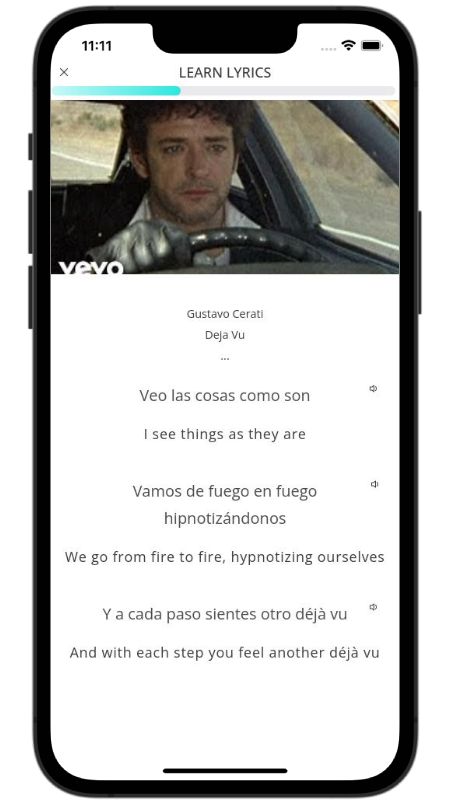
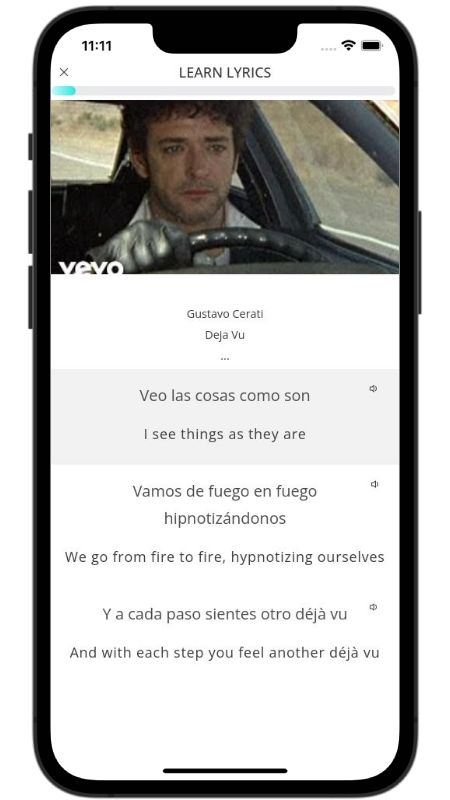
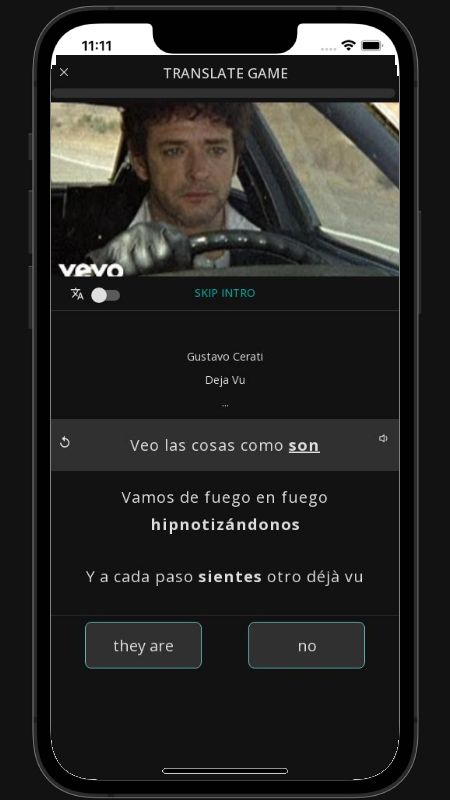
Ever felt like you are stuck on an endless loop? In Déjà Vu, Argentine rock icon Gustavo Cerati plays with the weird sensation of living through the exact same second twice. He sings about moving blindly from one burning thrill to the next: "Vamos de fuego en fuego hipnotizándonos" [We go from fire to fire, hypnotizing each other]. When you want a good thing to last forever, you end up freezing the frame: "Tanto pediste retener / Ese momento de placer" [You asked so much to hold onto / That moment of pleasure]. Then the illusion kicks in. Places feel familiar even though they never existed, and you swear you have walked these exact steps before.
Cerati blames the whole trick on your senses messing with reality: "Errores ópticos del tiempo y de la luz" [Optical errors of time and light]. He even meta-jokes about his own music with "Esta canción ya se escribió / Hasta el mínimo detalle" [This song was already written / Down to the smallest detail], followed by a surreal image straight out of a painting: "Mira el reloj, se derritió" [Look at the clock, it melted]. It is a clever, disorienting rock track about how badly we try to trap time before it slips away.