Crimen Lyrics in English by Gustavo Cerati
Crimen literally means "crime". While it can refer to an illegal act, in this iconic rock ballad, Gustavo Cerati uses it as a powerful metaphor for a painful breakup.
He sings, "Y otro crimen quedará sin resolver" (And another crime will remain unsolved), comparing the unresolved feelings and unanswered questions at the end of a relationship to a mystery that will never be solved. This poetic twist turns a common heartbreak into a profound and haunting enigma.
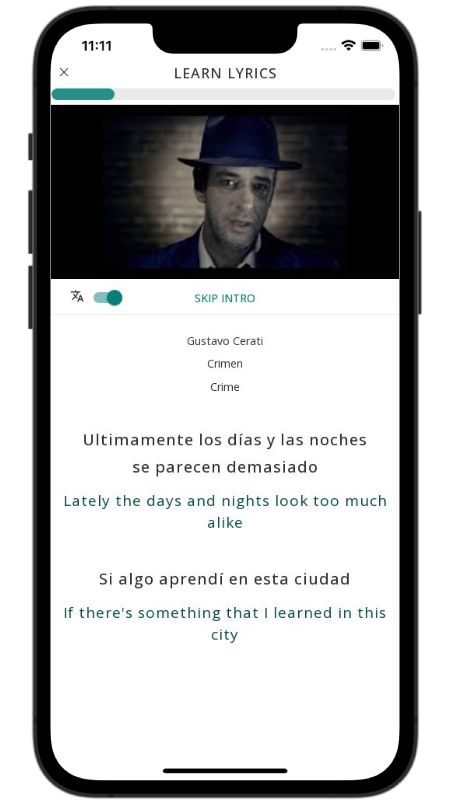
Gustavo Cerati turns a brutal breakup into a classic detective story in "Crimen". Instead of a routine sad ballad, he frames the sudden end of a relationship as an unsolved case. Right away, he sets a weary, noir mood: "Ultimamente los días y las noches se parecen demasiado" ("Lately the days and nights look too much alike"). When the betrayal lands, he calls it "una rápida traición" ("a quick betrayal") that kicks both lovers straight out of romance. He goes to bed "en llamas" ("in flames") and watches everything fade out in a slow dissolve ("en un lento degradé"), realizing the relationship is dead and gone.
What makes the track hit home is how dramatically Cerati admits his own flaws while spiraling. He wonders out loud if he brought it on himself ("Tal vez, me lo busqué" - "Maybe I asked for it"), admits his jealousy is flaring up again, and warns that his bruised pride will blow up ("Mi ego va a estallar" - "My ego is going to burst"). With nothing left to fix, the desperate chorus hits you with pure melodrama: "Si no olvido, moriré / Y otro crimen quedará sin resolver" ("If I don't forget, I will die / And another crime will remain unsolved"). It is a grand, theatrical rock song about learning what it actually feels like to lose.