Diego E Io Lyrics in English by Brunori Sas
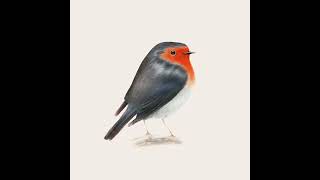
Pavoni translates to "peacocks". It's an unexpected and visually striking word to find in a song, especially one about a tumultuous relationship.
In the lyrics, "E volano i pavoni, sembrano aeroplani contro le finestre" (And the peacocks fly, they look like airplanes against the windows), the image of peacocks flying and resembling airplanes creates a surreal and memorable scene. It adds a touch of poetic strangeness and beauty to the raw emotions of the song, making it stand out.
This is a love song sung in the voice of Frida Kahlo, about her husband, the painter Diego Rivera. The opening line borrows her most famous remark: "Due incidenti ho avuto nella vita, uno sei tu" (I've had two accidents in my life, one is you). The other accident was the bus crash that broke her body, which is why she calls herself "la tua bimba di cristallo" (your crystal child), something fragile that he keeps dropping.
The first verse is a list of betrayals she shrugs off. Their lovers on both sides were "un gioco" (a game), but "se bevi il sangue del mio sangue" (if you drink the blood of my blood) she says no, that one she won't forgive. Two lines later she does anyway: "Ma sì che ti perdono" (Oh, of course I forgive you). That flip is the whole relationship in four lines.
The chorus is full of her house and her paintings. "La nostra casa azzurra" (our blue house) is the Casa Azul in Mexico City where she lived, the peacocks flying "contro le finestre" (against the windows) are the animals she kept there, and "Siamo il mostro e la bambina" (we are the monster and the little girl) is how people saw the couple: huge Diego, tiny Frida. In the second verse she paints her pain "sulla tela" (on the canvas) after trying to drown it in mezcal, the Mexican agave spirit, "ma il dolore sai, non sa nuotare" (but pain, you know, can't swim). It's a great line, half joke and half wound. Useful phrase to steal: "dove ti pare" means "wherever you like", said with a shrug.