No Teu Lugar Lyrics in English by Mimicat
Desilusão translates to "disappointment," but it carries the heavier weight of "disillusionment"—the painful feeling of discovering something is not as good as you believed it to be. It's a powerful word that captures deep emotional pain.
In the song, Mimicat sings about her seemingly perfect relationship, describing how they were "feitos um para o outro" (made for each other), only to follow it with the heartbreaking line, "que desilusão" (what a disillusionment). This single word dramatically flips the narrative from a perfect love story to one of betrayal and shattered dreams.
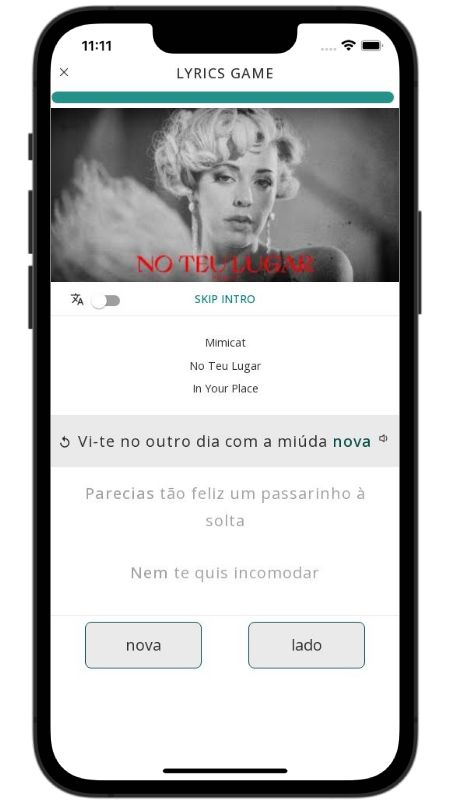
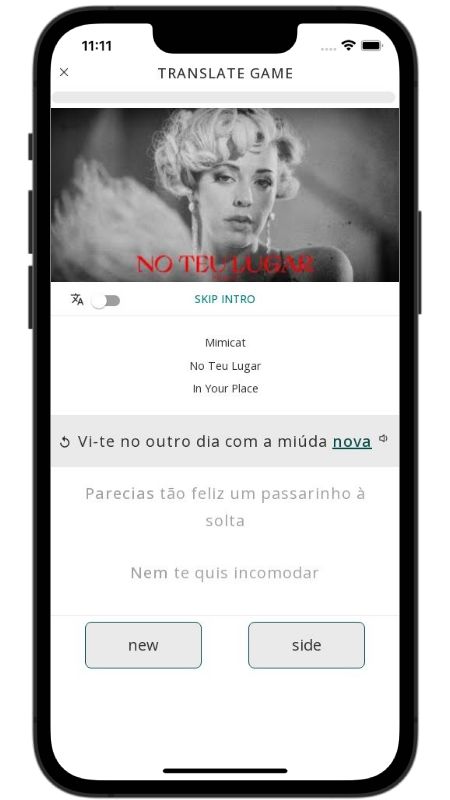
Ever spotted an ex looking thrilled with someone new, only to get a nasty shock when you look closer? That is the exact mess Portuguese singer Mimicat walks into here. She spots her former partner acting like "um passarinho à solta" (a bird set free) with a new girl. Then the pieces click: "Aquela cara não me é estranha / Foi um golpe duro" (That face isn't unfamiliar to me / It was a hard blow). She remembers a dinner where they crossed paths, suddenly realizing the overlap: "ela existiu ao mesmo tempo que eu / E ela sabia e eu não" (she existed at the same time as me / And she knew, and I didn't). Talk about an awful realization. Portuguese listeners use "miúda" for "girl" or "young woman," and here Mimicat keeps it sharp and colloquial.
Instead of begging for answers or wallowing in disbelief, she kicks him out of her head with zero hesitation. She tells him to go off and "viver outra vida qualquer" (live whatever other life), adding a blunt warning: "Mas quando quiseres voltar / Vai estar outro alguém no teu lugar" (But when you want to come back / There will be someone else in your place). She admits she missed the red flags when things felt too flawless, but now she stays behind "A cuidar de quem cuida de mim" (Taking care of who takes care of me). It is a direct, satisfying brush-off delivered with serious attitude.