La Bachata Lyrics in English by Manuel Turizo
Ojalá is a powerful Spanish expression for 'I wish' or 'hopefully', with a unique origin from the Arabic phrase law šá lláh, meaning 'if God wills it'.
In this bachata hit, the singer uses it to wish a kind of karmic revenge on his ex. He sings, "Ojalá te enamore / Te haga lo mismo que me hiciste a mí" (I hope someone makes you fall in love / And does the same thing to you that you did to me), perfectly capturing the raw emotion of heartbreak.
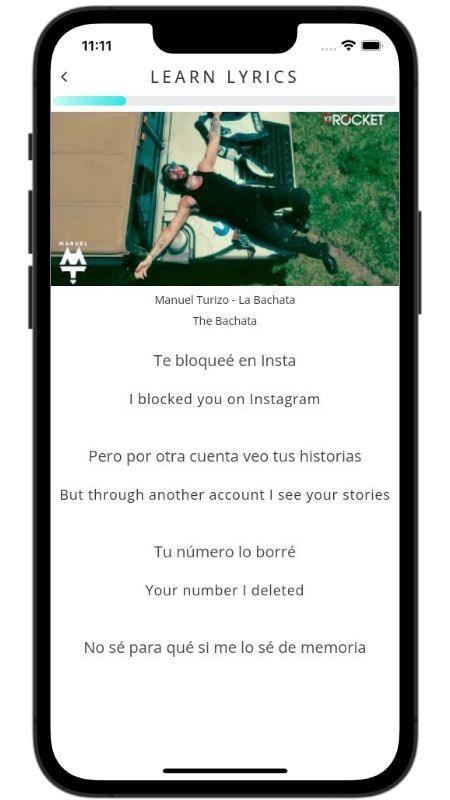
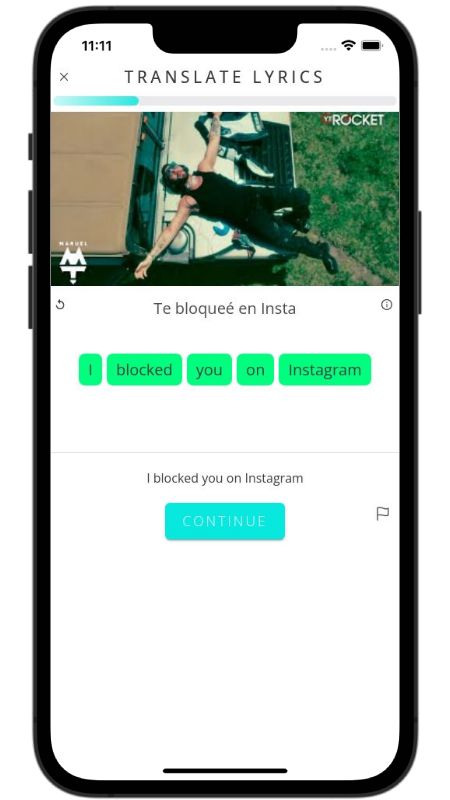
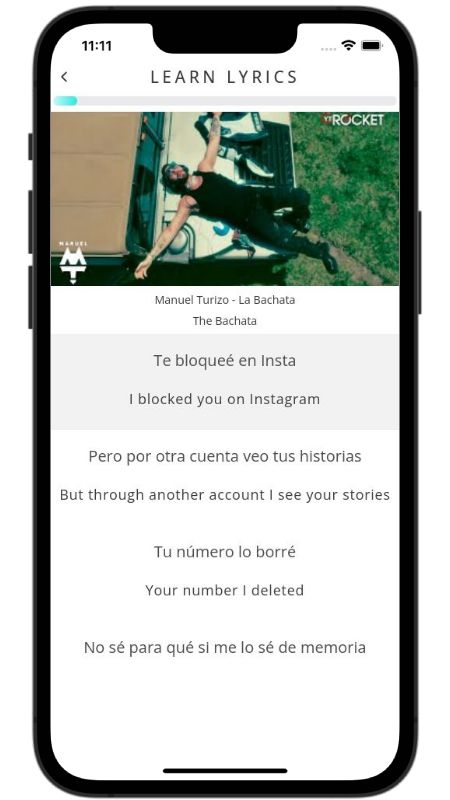
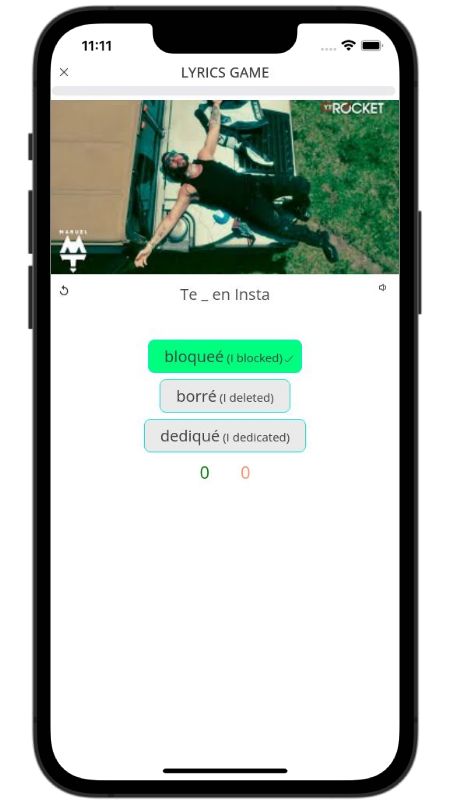
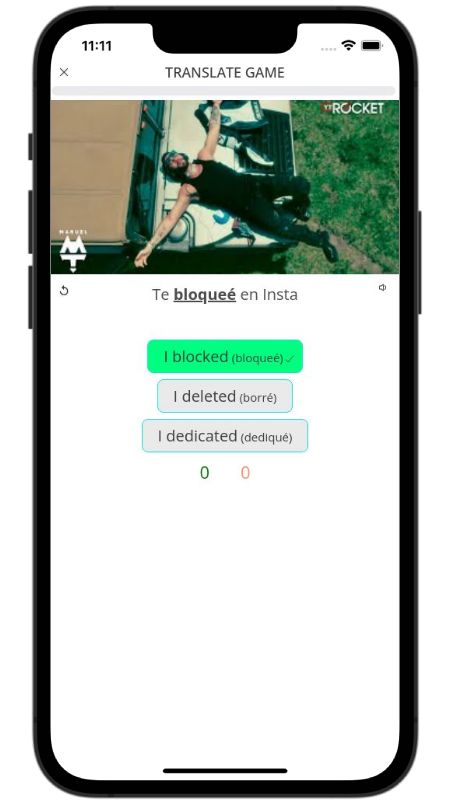
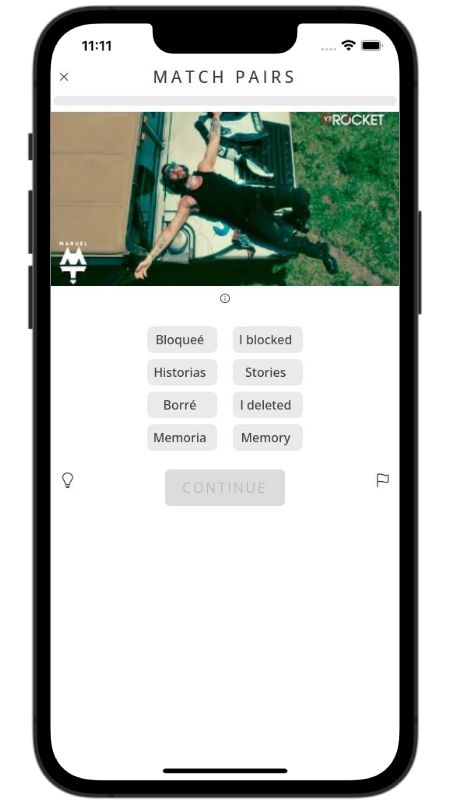
We have all been there: you block an ex, delete their contact, and then immediately look at their Instagram stories from a fake account. That is the exact mess Colombian artist Manuel Turizo opens with in "La Bachata". He admits he deleted her number ("Tu número lo borré"), but it was pointless because he still knows it by heart ("No sé para qué si me lo sé de memoria"). Even though his ex hurt him, he is still driving around listening to the tracks she dedicated to him ("Oyendo las canciones que un día me dedicaste").
Then comes the real reason behind the breakup: betrayal. Turizo drops a blunt truth about infidelity with the line "Éramos tres en una relación de dos" (We were three in a relationship of two). He refuses to forgive her, saying she should ask God for forgiveness instead ("No te perdono, pídele perdón a Dios"). Rather than begging her to come back, he asks God to protect him from anyone like her in the future. It is a sharp, bitter, yet painfully honest track about trying to move on when your brain refuses to let go.