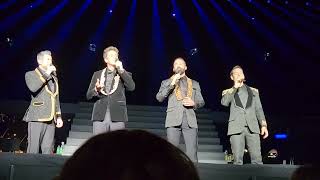
Enamorado Lyrics in English by Il Divo
Trovador translates to "troubadour," a medieval poet-musician who composed and sang songs, often about courtly love. It's a romantic and somewhat archaic word that evokes a sense of classic romance and storytelling.
In the context of "Enamorado," the singer describes himself as a trovador who sang to his beloved "desde la luna" (from the moon). This choice of word elevates the singer's devotion to a timeless, poetic gesture, making it a unique and memorable way to express profound love.
Il Divo builds "Enamorado" ["In love"] around one repeated claim: nobody has loved this woman more than the singer does. He casts himself as a troubadour who serenaded her "Desde la luna" ["from the moon"], then says he searched for her "Por cielo y mar" ["by sky and sea"] and "Al fin del mundo" ["to the end of the world"]. It's romantic devotion turned up past what any real relationship needs, which is the whole idea of a song with this title.
What keeps it from tipping into cliche is the honesty tucked inside the exaggeration. "Ni te enteraste nunca" ["You never even found out"] admits she may never have noticed any of it, and by the end he's asking for far less than he started with: "Sin conseguir" ["without succeeding"], "Y ser tu amigo" ["and to be your friend"]. The grand gestures were never really about winning her back. They were about how far he was willing to go.