MÍA Lyrics in English Danna Paola
Tusa is a Colombian slang term that describes the intense emotional pain and hangover-like feeling after a breakup. It's more than just sadness; it's a deep, lingering heartache that makes you want to escape.
In this song, Danna Paola sings about "Sudando la tusa hasta que salga el sol" (Sweating out the heartbreak until the sun comes up), vividly portraying the act of dancing and partying to overcome the pain of a past relationship. It's a very modern and culturally specific word that captures the song's theme of moving on.
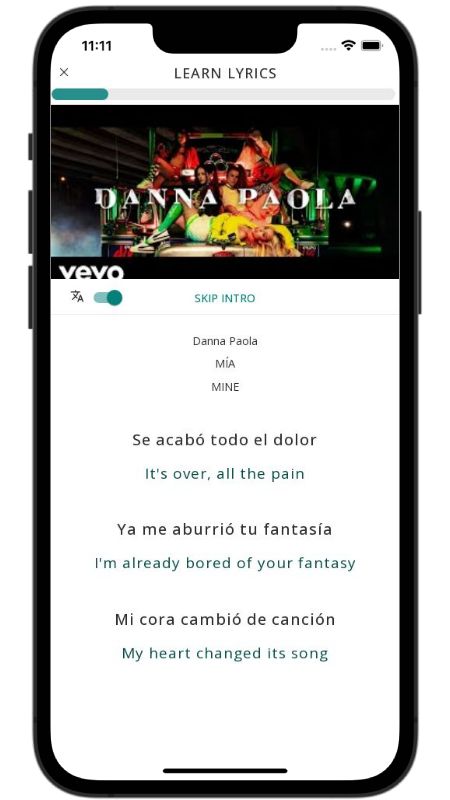
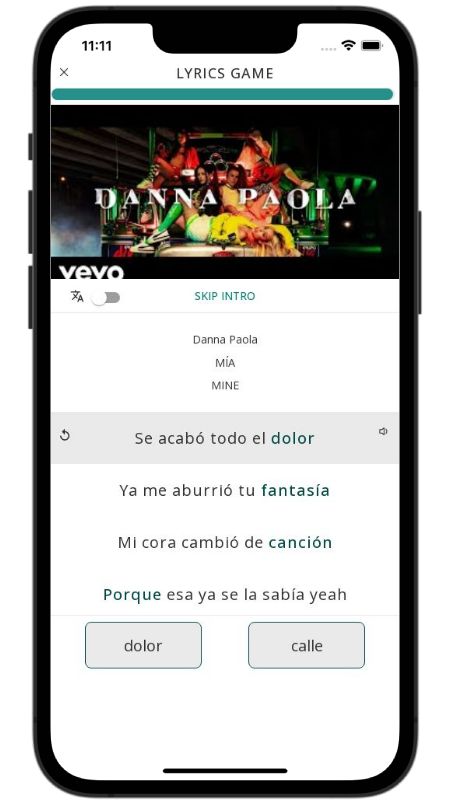
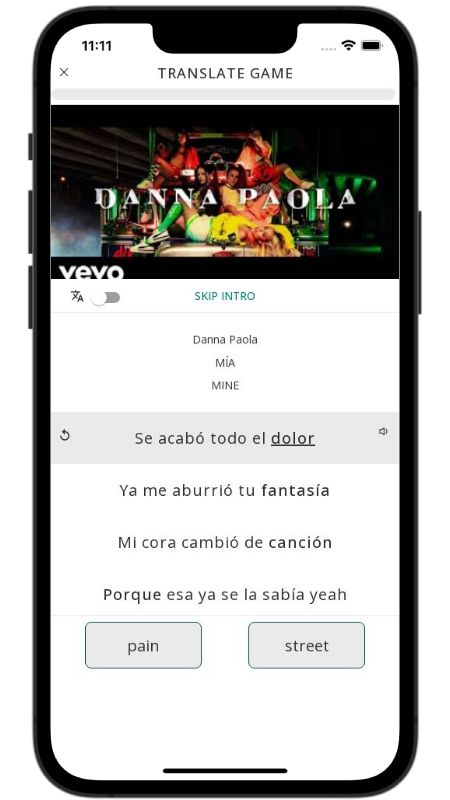
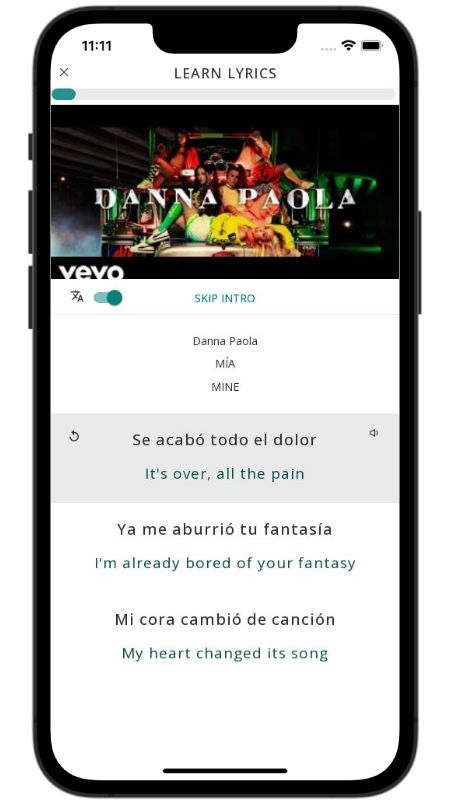
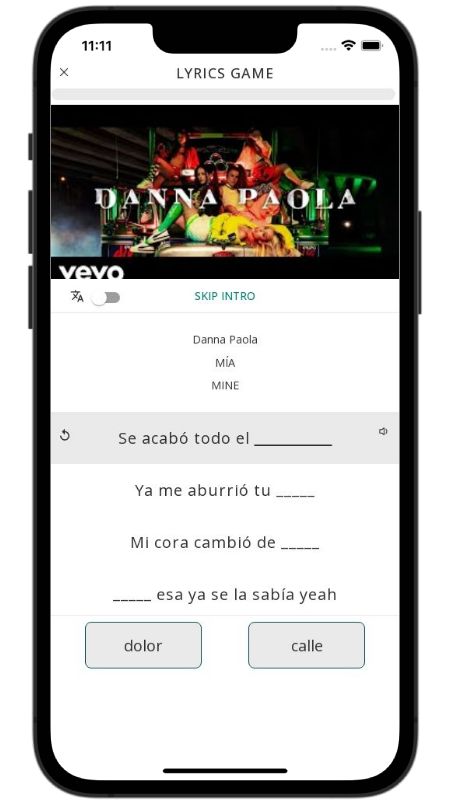
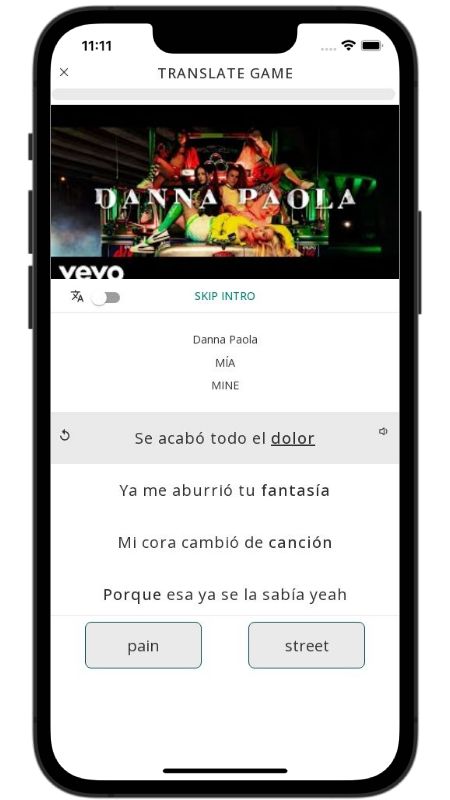
MÍA is Danna Paola’s sparkling breakup-to-glow-up anthem. The lyrics open with a decisive “Se acabó todo el dolor” — pain is over, the fantasy is boring, and her heart has switched to a brand-new track. She calls out an ex’s immaturity, reminds him of everything he lost, then slams the door on the past. Instead of crying, she heads to the dance floor, “sudando la tusa” (sweating out the heartbreak) until sunrise, kissing without strings attached and celebrating the “new me.”
At its core, the song is pure self-empowerment. Danna Paola revels in body confidence, freedom, and the thrill of rewriting her own rules. The repeated “Ay, mamma mía” is both a playful shout and a warning: she is unstoppable now. Anyone is welcome to join the party, but tears and regrets must stay outside. “MÍA” invites listeners to trade sorrow for swagger, reclaim their worth, and dance their way into a brighter, unapologetically independent future.