A Fadista Lyrics in English by Ana Moura
The word Fadista refers to a singer of Fado, a traditional Portuguese music genre known for its melancholic and expressive nature. It's a culturally rich word that immediately evokes the essence of Portuguese heritage.
In the context of the song, "A Fadista" (The Fado Singer) is the central character, a woman initially judged and misunderstood, who ultimately captivates and redeems herself through the power of her Fado singing. This word is not only unique to the song's theme but also provides a direct link to the heart of Portuguese culture.
"A Fadista" tells its story from the outside in. A woman in a "Vestido negro cingido" [Tight black dress] walks up the avenue at night, and the men who pass her only see a "Mulher de vício e pecado" [Woman of vice and sin] — insulted and followed before she's said a word.
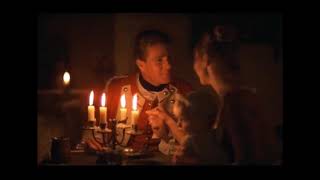
Then she opens her mouth. The song turns on "Ela começa a cantar" [She begins to sing], and the same men who judged her sit down to listen, because what comes out is "Canto antigo e tão profundo" [Ancient and so profound song], "É prece, pranto ou pregão" [Is prayer, lament, or proclamation]. By candlelight, the ones who'd just insulted her now look like "Devotos em oração" [Devotees in prayer], and she answers not with anger but with grace: "Ela dá-lhes a certeza / De já lhes ter perdoado" [She assures them / That she has already forgiven them]. Fado does the work no argument could — the room goes quiet, and everyone finally hears who she actually is.