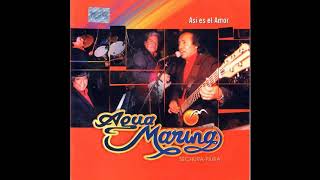
Ni Perdon Ni Olvido Lyrics in English by Agua Marina
Añicos translates to "shards" or "smithereens." It's a vivid and dramatic word that you don't encounter in every song, making it quite memorable.
In "Ni Perdón Ni Olvido," the lyrics state, "Se hizo añicos de cristal, ya nada podrá unirlo" (It turned into crystal shards, nothing can unite it now). This powerful metaphor describes a broken relationship that is beyond repair, emphasizing the finality and irreversible damage. It's a strong image that perfectly conveys the heartbreak and impossibility of reconciliation.
Agua Marina's "Ni Perdon Ni Olvido" is a powerful song about the end of a relationship where one person feels completely wronged and is ready to close the door for good. The singer tells their former love, "Deja las cosas como están" [Leave things as they are], acknowledging that both have lost, but for different reasons: "Tú por no saberme amar / Yo por haberte querido" [You for not knowing how to love me / I for having loved you]. It's a blunt assessment of a love that's shattered beyond repair, like "añicos de cristal" [shards of glass] that "nada podrá unirlo" [nothing can unite].
What I love about this song is the directness of the singer's questions. They demand to know, "Dime en qué me equivoqué / Qué le faltó a mi cariño / O qué es lo que tuvo de más / Por qué jugaste conmigo" [Tell me how I was wrong / What my affection lacked / Or what it had too much of / Why you played with me]. It's a plea for understanding, but not for reconciliation. The final, firm declaration, "Total, de mí nunca tendrás / Ni perdón ni olvido" [In short, from me you will never have / Neither forgiveness nor oblivion], makes it clear that this is a farewell, not a negotiation. It's a strong statement of self-respect after being hurt.