Learn Japanese With Aimer with these 13 Song Recommendations (Full Translations Included!)
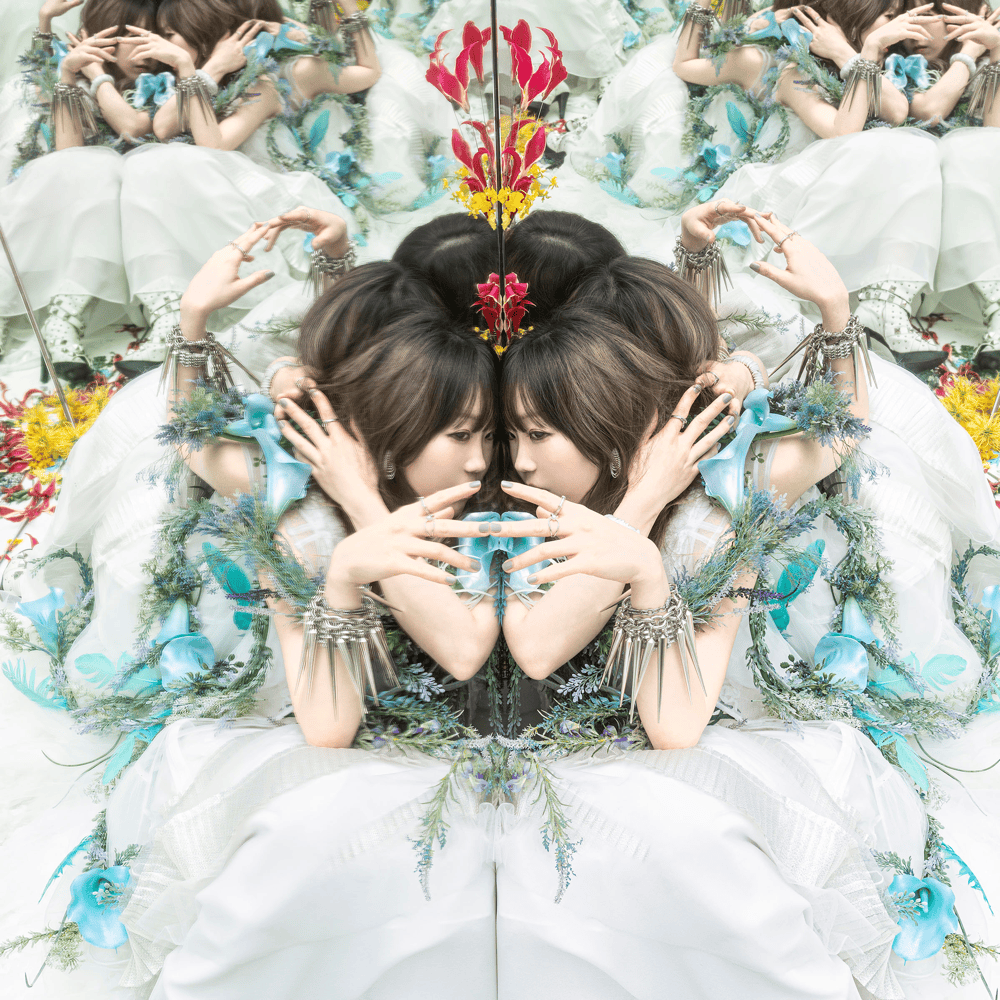
Aimer was born in Kumamoto in 1990, and she took her stage name from the French verb for "to love". Overusing her voice as a teenager damaged her vocal cords, and the husky, smoky tone that came out of it is the first thing people notice about her singing.
She debuted in 2011 with the ending theme for the anime No. 6, and anime work has followed her ever since. In 2021 she sang both theme songs for the Entertainment District arc of Demon Slayer.
This is Aimer's theme for the Entertainment District Arc of Demon Slayer, and it opens like a drumline. Those "da-ta-ra, ta-ra-tat ta" chants are pure rhythm, a war drum before a fight, and they come back between every verse.
The imagery is all night-time colour: indigo dropped onto fabric, a vermilion moon, flowers blooming on someone's sleeve (誰が袖に咲く幻花 [an illusory flower blooming on someone's sleeve]). It fits a story set in a red-light district full of kimono and lanterns. But the core of the song is stubbornness. My favourite line is 選ばれなければ 選べばいい [if you aren't chosen, then just choose], which is a brilliantly blunt answer to being overlooked: stop waiting for permission. Japanese packs that into two verb forms, the conditional -nakereba (if not) and -ba ii (it's fine to, you should just).
The chorus is a shout: 声よ 轟け [voice, roar!]. 轟け is the command form of a verb for thundering or booming, and Aimer uses it to send her voice past the night, toward views once blurred by tears. She doesn't even need to know what she's playing or for whom. Every dark feeling and long struggle gets told 歌と散れ 残響 [scatter with the song, echo], and the title itself is that idea: an echo, scattered as a song. Then there's the challenge 逃げ出すため ここまで来たんじゃないだろ? [you didn't come this far just to run away, right?], with the rough, casual だろ at the end that sounds like a friend shoving you back into the fight.
Aimer sings to someone who keeps a brave face on and carries everything alone. The verses give small permissions: cry if you need to, stop talking about what hurts, and "荷物をおろせばいい" (You can just set your burden down). The narrator admits she is anxious too and does not know what she can do, but she wants to stay close.
The chorus turns on one image. When the stars go out, the friend stares at the far-off sky and asks "星の消えた夜に 何を願うの?" (On a night when the stars have vanished, what do you wish for?). The answer is closer: "星が消えた空より隣を見てよ 気付いて" (Look beside you instead of the starless sky, please notice). By the end she names what that presence is, "これが 愛なんだ" (This is love), and the night that kept growing later starts to turn into morning.
Aimer opens this one in a bad place: a shabby signal flashing for no reason, and a maze with no end where walking on gets you nowhere anyway. She is stuck replaying a tangled melody, and it keeps aching: "いつまでも 疼いて痛い" [it throbs and hurts forever]. She is also honest about herself in a way I like. "吠える勇気は 微塵もないくせに" [even though I don't have a speck of courage to howl] comes right before "愛されたい" [I want to be loved], so she wants love without daring to make any noise for it. The English bit "A 9 days wonder" is an idiom for something that causes a stir and is forgotten fast, so she is calling her own melody a passing fad.
Then the chorus turns it around. A siren shoots into the night, sending an SOS to her daydreams, and she is fine letting everything rot as long as one clear moment wakes up. The title shows up as an order: "Ash flame 宿して抗え" [carry the ash flame inside you and fight back], followed by "どんな無様でも手を伸ばせ" [reach out, however clumsy you look]. An ash flame is fire still burning in what should be burnt out, and that is the whole mood. Even the bitter smile won't break "ひび割れたくらいじゃ" [just from a few cracks]. By the end the dream itself is a monster, and she says it plainly: "夢という怪物は 美しいんだよ" [the monster called a dream is beautiful]. The last lines pull in "cloud nine", the English idiom for pure happiness, as something from days gone by, and she swears to keep the flame alive until she has met her fate.
Esta canción de Aimer es lo que pasa cuando ya terminó todo y tú sigues ahí, sin saber qué decir. Arranca con una pregunta que se repite: "何て言えばいい? もう何を言えばいい?" (¿Qué debería decir? ¿Qué más puedo decir ya?). Y la respuesta llega en inglés, casi como un suspiro: "It's too late to say how I feel you now" (Ya es demasiado tarde para decir lo que siento por ti).
Lo más interesante es el juego con los ojos. Primero canta "見つめたいのに目を閉じた" (Quería mirarte, pero cerré los ojos), y más adelante "失くさないように目を閉じて" (Cierro los ojos para no perderte). Ese es el "blind to you" del título: no está ciega porque no vea, sino porque prefiere no ver. Cerrar los ojos es su manera de guardar el recuerdo intacto.
Las imágenes son muy de otoño triste: "名前のない季節の隅で" (en un rincón de una estación sin nombre) y "遅過ぎる夕鳴きに 返事はない" (a un canto de atardecer que llega demasiado tarde, nadie responde). Ojo con 夕鳴き: no es una palabra común, junta 夕 (atardecer) con 鳴き (el canto o llamado de un animal), así que imagina un pájaro llamando al anochecer sin que nadie conteste. Ella es ese pájaro.
Y es honesta de una forma que duele un poco: admite que "戯れだけで誤魔化せていた その日々" (esos días los podía disimular solo jugando), o sea, que la relación nunca fue tan seria como ella quería. Por eso suelta "You never belong to me" (Nunca fuiste mío) y hasta se burla de sus propias promesas: "大げさな約束に 意味などない" (las promesas exageradas no significan nada), justo después de cantar "I promise you the moon" (Te prometo la luna). Ese choque entre la luna prometida y la frase en japonés que la desmiente es lo mejor de la canción.
Aimer opens this one inside a dream, picking through "ひび割れた 声や吐息のかけらたち" [cracked fragments of voices and breaths]. Someone is far away, told to keep praying "遠くの町で" [in a distant town], and the singer has stopped pretending the past can be fixed: "失くしたものは帰らない" [what was lost won't come back]. The hook word is "誓ったはずの one and last" [the one and last I was supposed to have sworn to], with the English slipped into the Japanese line. That はず (hazu, "supposed to") is worth learning: it marks something that should be true but now feels shaky, so the vow itself is wobbling.
The chorus is blunt in a way I love. She asks the other person to stop saying "「もし 生まれ変われたら」" ["if I could be reborn"], because she has already "凍えそうなあなたを抱きしめた" [held you while you were close to freezing]. Then comes the odd confession "ただ幸せを願うことが怖くて" [just wishing for happiness scared me]. She shouts "さよならって" [goodbye] twice, yet in the same breath promises "二度と離さない 守って見せる" [I'll never let go again, I'll protect you] and begs "笑って見せてよ" [show me a smile]. The verses are full of an empty room where she holds her breath, and the song closes on a "永久のララバイ" [eternal lullaby] she offers to sing: "歌ってあげるよ" [I'll sing it for you]. Note 〜てあげる: it means doing something as a favor for someone, which makes the ending sound tender rather than sad.
This is a song about letting go and running anyway. Aimer starts with a memory of a promised future that felt unbreakable, a bond that was "命綱のように強くて" (as strong as a lifeline). Then it slips away: "舞い昇ってく風船みたいだ 空に溶けてく" (it's like a balloon floating up, melting into the sky). I love that image. No drama, just something you were holding drifting out of reach.
The rest of the song refuses to mope. The chain she couldn't let go of has snapped, and instead of watching the other person leave, she walks off: "見送らずに歩き出すんだ" (I start walking without seeing them off). The chorus is all petals and wind, "はらはらと 朽ちるまで 咲き乱れ" (fluttering, blooming wildly until they wither), asking the wind to carry away the echo holding her back. Look out for はらはら and ひらひら: both are Japanese sound-symbolic words for things fluttering down, like petals or leaves. My favourite bit is the odd confidence of "孤独の香り 祝福してる" (I'm blessing the scent of loneliness), followed by the closing order to herself: "辿り損ねた愛をもう悔やまないで 笑って" (don't regret the love you failed to reach anymore, smile).
Aimer opens this one by giving up on the sky. The singer has "forgotten the courage to take off" and lost "the wings I spread", and the image that sticks is 「天国さえ 消えた 青い地球」 (a blue Earth where even heaven has vanished). The universe, she says, keeps sinking "deeper", and she is fine just holding her breath and staying still.
What she wants instead is small and specific. 「何もいらないと言って ここにいるよと言って」 (say you need nothing, say "I'm here"). She knows that putting what she wants to confirm into sound would break it, so the whole song hovers between wanting to hear those words and being scared of them. Then the second verse turns: 「君となら きっと もっと 遠くへ行ける」 (with you, I can surely go even further), and she pictures kicking away the pain she has been carrying and spotting a blue moon if she squints.
The line I love is 「不確かな二人がここにいる それだけでいい」 (two uncertain people are here, and that is enough). It beats any "certain tomorrow" or "stacked-up yesterdays". It ends at the edge of an unchanging world, having lost everything except one wish she believed nobody could break.
Learner tip: 〜と言って (say that...) repeats all through the chorus, a handy pattern for asking someone to tell you something.
"Ito" means "thread", and the whole song hangs on one image of weaving. It opens by admitting how little we control: "なぜ めぐり逢うのかを 私たちは なにも知らない" [we know nothing about why we meet], and we never know when, either. Then comes the line everyone remembers: "縦の糸はあなた 横の糸は私" [the vertical thread is you, the horizontal thread is me]. Two people are the warp and the weft, and the cloth they make together "いつか誰かを 暖めうるかもしれない" [might someday keep someone warm].
The middle verse is rougher. "ささくれ" is a hangnail, the small torn bit of skin by your fingernail, and the singer uses it for the leftover sting of days spent lost or days you tripped while chasing a dream. "こんな糸が なんになるの" [what good is a thread like this?] is a genuinely shaky moment, sung while "ふるえてた" [trembling] in the wind. By the end the cloth might even "傷をかばう" [shield someone's wound]. The last line has a nice trick for learners: "仕合わせ" is an old way of writing shiawase, happiness, using the kanji for "doing" and "fitting together", so meeting the thread you were meant to meet is literally what happiness is called.
"Grace Note" opens on a notebook: 開いたノートに綴った青さは (the blueness I wrote into an open notebook). That 青さ (aoi-sa, literally "blueness") is the Japanese way of saying youthful, unripe feeling, so picture a school kid scribbling feelings they can't name yet, then scanning the crowd for someone's back when the final bell rings: 終わりのチャイムに君の背中を探してた (at the closing chime, I was searching for your back). The title makes sense from there. A grace note is a tiny ornamental note in music, and the singer keeps describing a sound that won't fit on paper: 譜面にできない音色 (a tone that can't be written as a score).
The chorus is the part that sticks. 生まれたときは ひとりぼっちだったこと (that when we were born, we were all alone) is something she worries we forget, and by the end it turns gentle: みんな同じなんだよね (we're all the same, aren't we). Watch the little ending かな (kana, "I wonder"), which turns up again and again, as in どの言葉で歌にできるかな? (with which words could I turn it into a song?). Learning that one particle gets you most of this song's shy, questioning mood. There's also a lovely image of a pale butterfly landing on a finger, ふわり指に止まった淡い蝶 (a pale butterfly softly landed on my finger), where ふわり is a sound-word for something light and floating.
The first half of this song is one long summer afternoon after school. It opens with "教室をすぐ飛び出した" [I rushed straight out of the classroom], a hair ribbon swinging as someone runs toward the sunlight, stopping only to retie a loose shoelace. Two friends lie on the grass past the hill and talk until the sun goes down, and later they ride "二人乗り 自転車で" [two on one bike], which is a very specific Japanese teen image: one pedals, the other sits on the back. My favourite line is "ありふれた奇跡の数を数えた" [we counted all the ordinary miracles], and the miracles are things like meeting each other and the sky being blue.
Then the song turns. The chorus line "夏草は 季節の音をまとった" [the summer grass wore the sound of the season] comes back as "夏草は 涙の色をまとった" [the summer grass wore the color of tears], and one word swap does all the damage. The singer admits "君がいないよ いないよ いないよ" [you're not here, not here, not here], repeating it like they can't believe it either. It ends with "あと少しだけ眠ろう" [let me sleep just a little longer] and "それは まだ 夏の夢" [it's still a summer dream], so the whole memory might be something they are holding onto in a half-asleep state. For learners, watch まとった (matotta): it means "wore" or "was wrapped in", and here the grass wears a sound and then a color, which is a lovely way to bend the verb.
Esta canción de Aimer empieza con una escena muy concreta: alguien escuchando a escondidas un disco viejo y gastado. "内緒で聴いた ぼろぼろのレコード" (el disco destartalado que escuché en secreto). Esa palabra, ぼろぼろ (boroboro), es genial para aprender: describe algo hecho trizas, usado hasta romperse. De pronto, una canción que le gustaba de niña le parece "急に懐かしくて 愛しく思える" (de repente nostálgica y querida). 懐かしい (natsukashii) es una de esas palabras japonesas que el español no traduce del todo: es la ternura que da algo del pasado.
Luego la canción se vuelve una carta de amor bastante directa. "声を聞いてよ すこし照れるけど 君に届け" (escucha mi voz, me da un poco de pena, pero que te llegue). A mí me encanta lo de 照れる (tereru): no es vergüenza grave, es ese sonrojo de decir algo bonito en voz alta. Y la razón de todo está aquí: "ありふれた言葉の意味を 見つけたのは 君だから" (porque fuiste tú quien le encontró sentido a las palabras de siempre). El estribillo mezcla inglés, con "You're my sweetest one" y un guiño a "Wonderwall" de Oasis en "Like a wonder wall".
La segunda mitad admite que no todo es fácil: "すれ違う夜もあるけど" (aunque hay noches en que no nos entendemos). すれ違う (surechigau) literalmente es cruzarse sin encontrarse. Pero la respuesta es "ひとつで シンプル" (una sola y simple), y termina con "捧げる 君のためだけに この歌を" (te dedico esta canción solo a ti). Es dulce sin pena, y un poco cursi, en el buen sentido.
Aimer starts this one at a window: "曇った窓の向こう側" (on the other side of the clouded window). Outside it is probably sunny now, but the singer is stuck inside with a smile that "消えやしない" (just won't fade). The whole song lives in that gap between a bright world and a person who can't stop looking back at someone who is gone.
The memories are small and specific. Walking home together on "あの帰り道" (that road home), which now feels "思ったより味気ない" (blander than I expected). That word 味気ない literally means "without flavor", and it is a lovely, plain way to say life lost its taste. Later she admits to lies she told herself, repeating that "叶わなくていい 願いもある" (some wishes don't need to come true) until she half believes it.
The chorus is where it lifts. "この歌はきっと 空へ舞い上がる" (this song will surely fly up into the sky), and she asks "あなたにも届くかな?" (will it reach you too?). The title line, "悲しみの向こう側へ" (to the other side of sadness), mirrors that opening window. She isn't over it, but she is singing toward somewhere past it, and that stubborn hope is the best part of the song.
This is a love song from someone who has been watching from the sidelines and has finally decided to speak up. The title line says it all: "花束のかわりにメロディーを" (instead of a bouquet, a melody). The singer has no flowers to hand over, so he offers a song instead, and right after that, "抱きしめるかわりにこの声を" (instead of a hug, this voice). It is a shy person's grand gesture, and I find it really sweet. He admits "いつも遠くから 君を見ていた" (I was always watching you from far away), then asks for one thing: "でも今日は僕を見つめて" (but today, look at me).
The middle gets bolder. "君を愛する為に 僕は生まれてきたよ" (I was born to love you) is a big claim, and later he flips it into "君に愛される為に" (to be loved by you), which is a nice little grammar lesson too: 愛する is to love, 愛される is to be loved. The line learners will hear most is "僕じゃなきゃ駄目で 君じゃなきゃ駄目さ" (it has to be me, and it has to be you). 駄目 means "no good", so literally it is "if it isn't me, it's no good". By the last line the request shrinks to "今夜だけは僕を見つめて" (just tonight, look at me), which somehow hits harder than all the promises before it.

