Pase Y Pase Lyrics in English by Tito Double P
Aferrado means to "cling to" something or to be "stubborn" about it. It describes the powerful feeling of holding on tightly to a person or idea, often against your better judgment.
In the song, the artist sings, "Sigo aferrado pensando que hay un nosotros" (I keep clinging to the idea that there's an 'us'). He uses this expressive word to capture his deep, emotional struggle of being unable to let go of a past relationship.
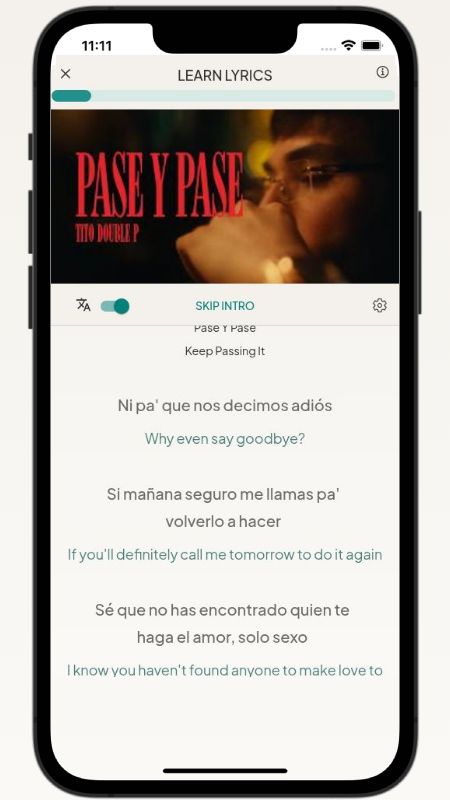
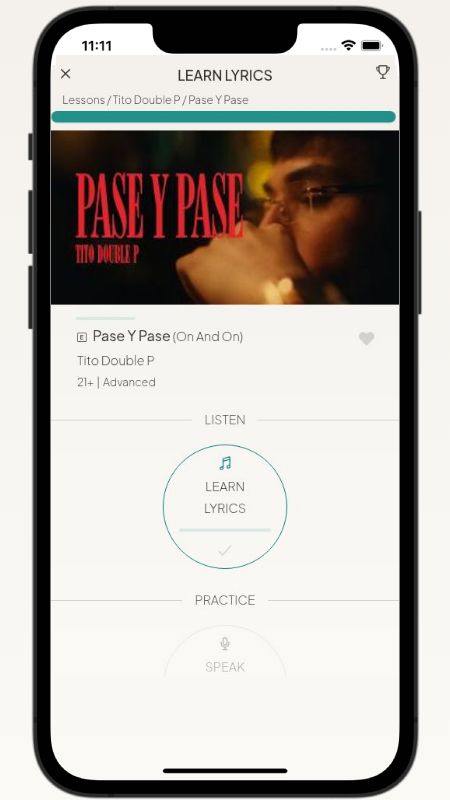
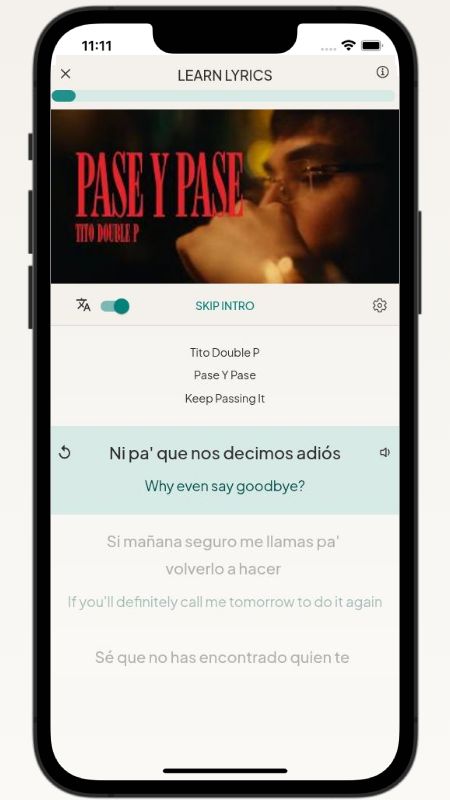
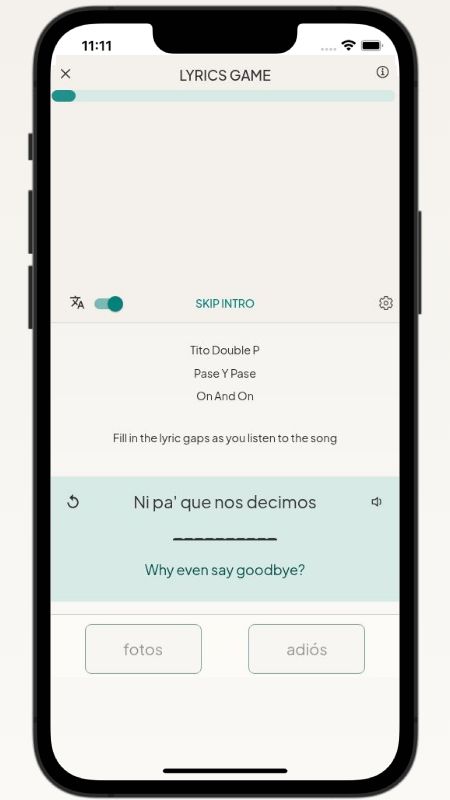
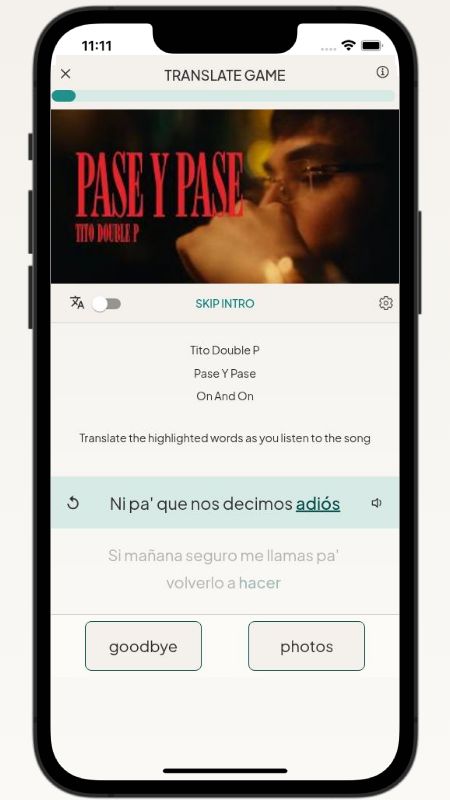
Tito Double P delivers a brutally honest track about being stuck in a toxic, repetitive situationship that he just cannot quit. He knows the dynamic is totally unhealthy, summing it up as "lunes de desprecio y viernes de placer" ("Mondays of contempt and Fridays of pleasure"). Even after snooping through her phone and finding spicy texts from another guy about "el último palo" ("the last hookup"), he is still staring at "fotos bichis" (slang from northwestern Mexico meaning naked photos) in his hidden folder. He admits he feels stupid for clinging to the fantasy of an "us", but the physical addiction keeps pulling him back.
To cope, he drowns his frustration in alcohol and partying, describing himself as "perdido entre pase y pase" ("lost between line and line" or hit after hit). He tries to act tough, tossing in the phrase "Bélico, pero no tanto, mija" ("Warlike, but not that much, sweetie") to show he has limits to his street edge when his feelings are involved. He knows full well that if she rings him tomorrow, he is going to fold immediately.